Health ministry mobilises vaccines to Ceuta after tuberculosis and scabies cases detected
Published on 22/08/2026 - 14:25 GMT+2•Updated 14:27 The Ministry of Health has called an emergency...
Published on 22/08/2026 - 14:25 GMT+2•Updated 14:27
The Ministry of Health has called an emergency meeting with Spain's autonomous communities to address the supply of vaccines for migrants who remain in Ceuta after the mass arrivals from Morocco recorded at the end of July.
The extraordinary meeting of the Public Health Commission will take place this Monday 24 August at 12:00 by videoconference, according to several Spanish media outlets, and will be attended by Public Health representatives from the autonomous communities and cities.
According to information first reported by 'El Mundo', the meeting will have a single item on the agenda: the launch of a "solidarity mechanism for vaccines in relation to the situation in Ceuta".
The aim of the meeting is to ensure that the autonomous city has the doses it needs to immunise the migrants who are still there and to strengthen protection against various infectious diseases.
Vaccines against polio, diphtheria and chickenpox
Among the vaccines the Health Ministry plans to administer is the measles, mumps and rubella (MMR) jab, which protects against measles, mumps and rubella. Immunisation is also being considered against diseases such as chickenpox, poliomyelitis, tetanus and diphtheria.
The migration crisis has also increased pressure on the city's health services. Between 31 July and 14 August, the National Institute of Health Management (Ingesa) recorded 5,801 medical attendances linked to the crisis, while the Red Cross operation set up on Trampolín beach provided more than 2,500 additional consultations. The peak came on 31 July, with 1,149 attendances in a single day.
The Health Ministry has also reported 18 minors with a positive Mantoux test and two confirmed cases of tuberculosis. Healthcare professionals have also reported consultations related to gastroenteritis, scabies and impetigo. The Spanish Army has logged at least 24 cases of scabies among its personnel at the General Command in Ceuta.
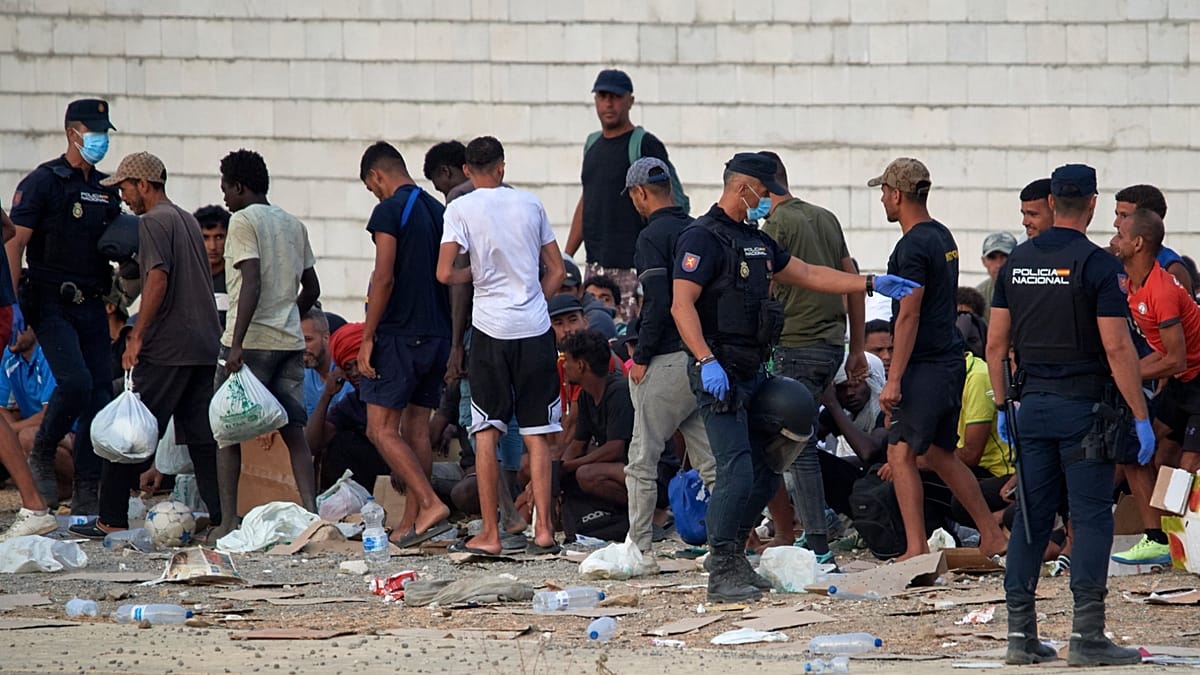
The Spanish Society of Epidemiology warns, however, that these diseases should not be directly linked to migrant status and stresses that the health problems are mainly related to the overcrowding, poor sanitary conditions and lack of resources in which some of these people are living.