Spain toughens rules for e-scooters: new requirements
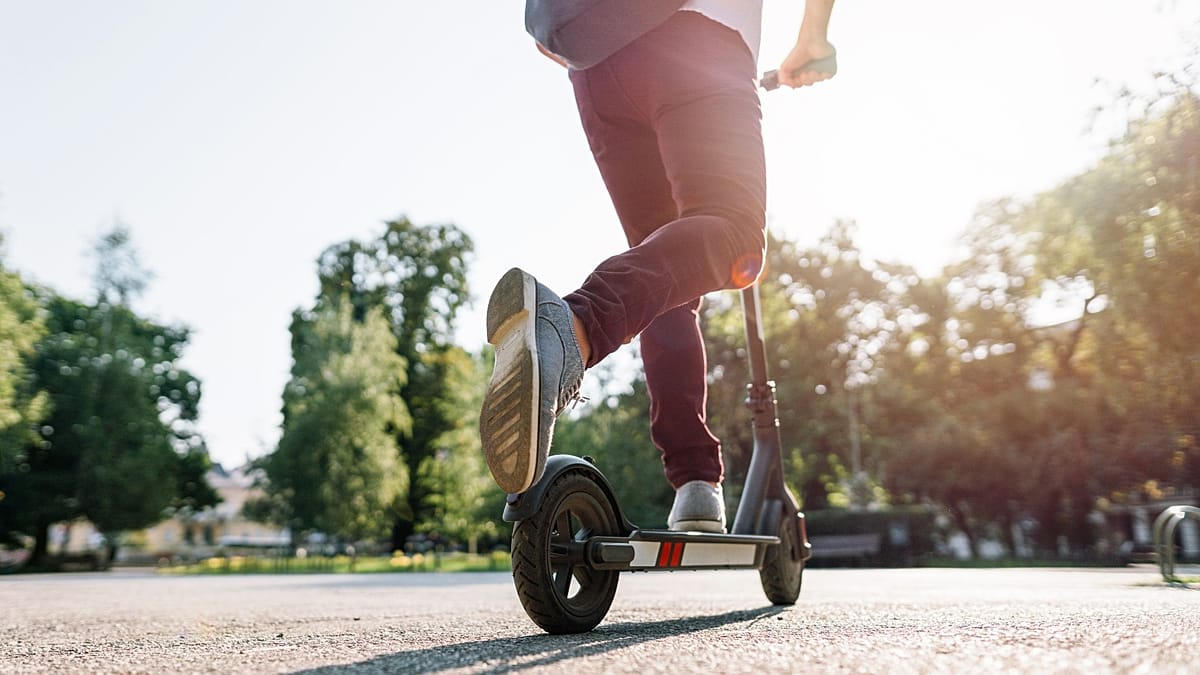
The government has approved changes to the traffic regulations requiring e-scooter riders to wear helmets nationwide and setting a minimum age of 15. The measure is part of a wider road safety package.
Published on 23/06/2026 - 16:28 GMT+2
On Tuesday the government approved an amendment to the General Traffic Regulations introducing new obligations (source in Spanish) for users of personal mobility vehicles (PMVs), including e-scooters. The reform establishesfor the first time a minimum age of 15 to ride these vehicles and makes helmet use compulsory nationwide.
The measure is part of a broader package of changes driven by the Interior Ministry and the Directorate-General for Traffic (DGT) aimed at improving road safety for so-called "vulnerable users", a group that includes pedestrians, cyclists, motorcyclists and scooter riders.
As well as wearing a helmet, scooter riders will have to keep their lights on in poor visibility and at night, when reflective clothing or accessories will also be mandatory. Failure to comply with these obligations may result in fines of 200 euros.
The Interior Ministry has said that the aim of the reform is to bring the General Traffic Regulations into line with developments over the past two decades since they were adopted.
Standardising rules for scooters
Until now, rules on wearing a helmet or the minimum age for riding a scooter largely depended on municipal by-laws, leading to differences between cities. With the reform, the government is seeking to establish a common framework for the whole country.
The DGT has for years been calling for more consistent regulation of these vehicles amid their growing use in urban areas and concern about the number of associated accidents.
More changes for cyclists and motorcyclists
The reform also brings in new obligations for other road users. Motorcyclists will have to wear protective gloves and closed footwear, while overtaking rules for cyclists and stationary vehicles are being tightened, requiring drivers to slow down and keep a safe lateral distance.
When overtaking cyclists on roads with more than one lane in each direction, drivers will have to move fully into the adjacent lane whenever traffic and safety conditions allow.
The reform also sets out new measures for emergencies, traffic jams and snowy conditions, including the creation of corridors to facilitate the passage of emergency services.
Most of the measures will come into force on 1 October 2026. However, the requirement to use lights and reflective elements on e-scooters, and the obligation to wear approved gloves for motorcyclists on interurban roads, will not apply until 1 October 2027 to make it easier to adapt to the new rules.