Two reported attacks on tankers near Strait of Hormuz
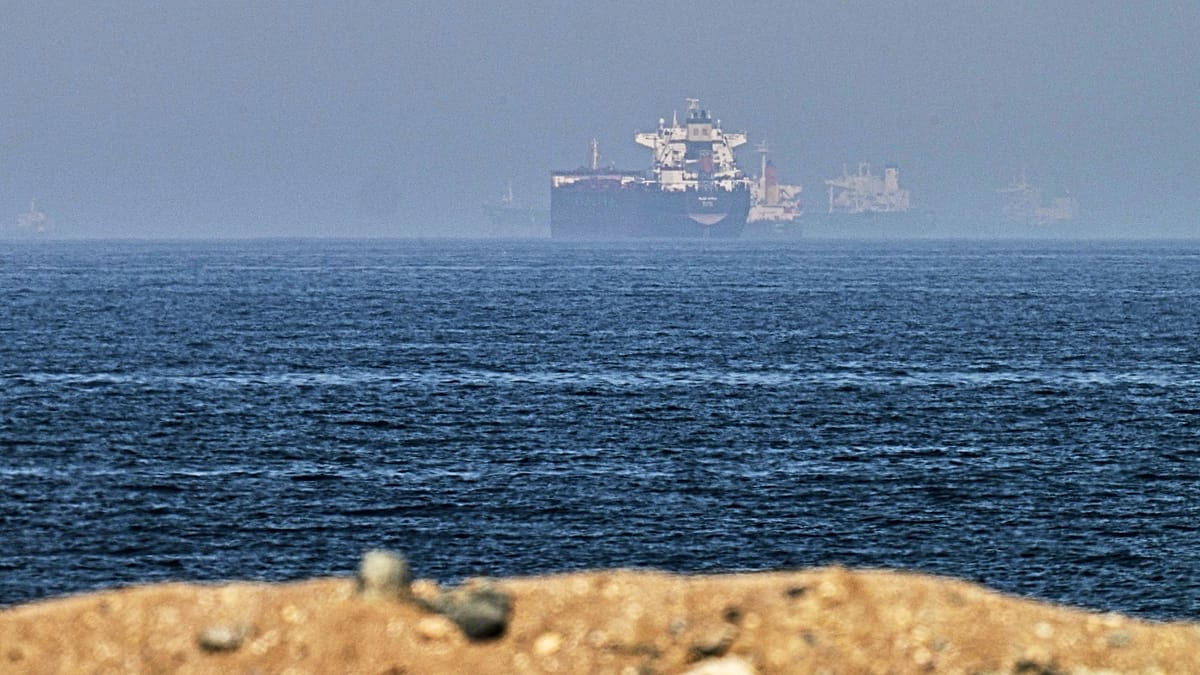
The Strait of Hormuz, which connects the Persian Gulf with the Gulf of Oman and the Arabian Sea, is one of the world's most crucial oil and gas transit chokepoints, carrying roughly a quarter of the global seaborne oil trade.
Published on 01/08/2026 - 10:48 GMT+2
Two tankers have reported coming under attack near the Strait of Hormuz, a British maritime agency said on Saturday, as tensions between Washington and Tehran over the region continue to build.
According to UKMTO, one vessel said it had been "struck by an unknown projectile" while northeast off the coast of Lima, Oman, causing damage to the engine room.
No injuries have been reported so far, per the agency.
Around three hours later, UKMTO said it had received a report of a second incident, this time northeast of Khasab in Oman.
"The Master of a tanker reports seeing a large splash and explosion in close proximity to the vessel," it said in a warning, adding that no damage to the ship had been reported at the time.
The agency advised vessels in the region to proceed with caution and to dial in any suspicious activity.
Authorities are investigating the incidents.
The Strait of Hormuz
The Strait of Hormuz, which connects the Persian Gulf with the Gulf of Oman and the Arabian Sea, is one of the world's most crucial oil and gas transit chokepoints, carrying roughly a quarter of the global seaborne oil trade.
Tehran effectively closed the waterway following US and Israeli strikes on Iran in late February, and it has since become a key factor in the ongoing US-Iranian conflict - despite the "memorandum of understanding" agreed between the two sides in June.
On Friday, the US military rejected claims that Iran had reclosed the Strait, saying it remained "open for commercial vessel transit."
"Iran does not control it. Thousands of ships have sailed through the international waterway over the past four months," US Central Command (CENTCOM) said.
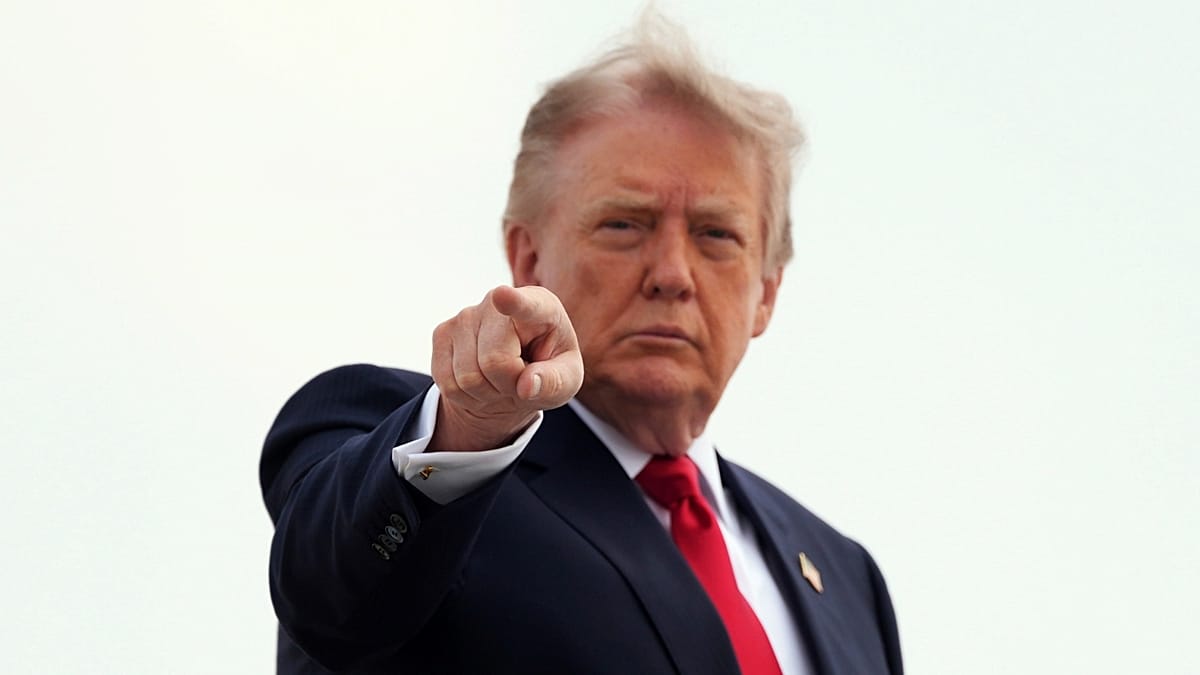
The statement came as US President Donald Trump said he was "losing faith" in the prospect of a peace deal and threatened to hit Iran "very hard."
"At some point, they're going to say, 'we just can't take it anymore,'" he added.
US forces renewed strikes on Iran earlier this week after a brief pause, targeting what CENTCOM said were Iranian Revolutionary Guard command centers, maritime capabilities, missile and drone facilities, and coastal surveillance and defence sites.
"The strikes aimed to further diminish threats posed by Iran and its proxies to American forces, commercial shipping, and neighboring Gulf countries," CENTCOM said.
The US had carried out 13 consecutive days of strikes on Iran earlier in July in an effort to "degrade Iran's ability to threaten commercial shipping in the Strait of Hormuz."
In response, Tehran launched strikes on American military bases across the Middle East, targeting facilities in Kuwait, Bahrain, Jordan, the United Arab Emirates, and Qatar.