Spain's wildfire bill: up to €3.275 billion for firefighting alone
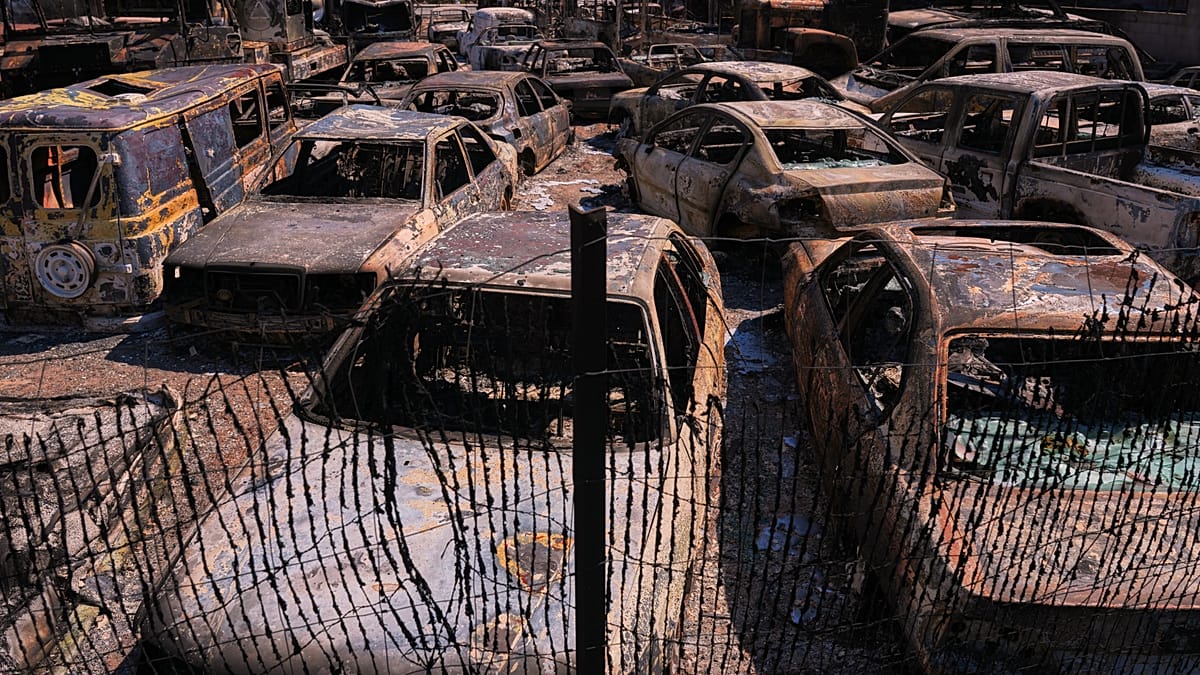
The area burned in Spain in 2026 is almost half that destroyed last year, putting firefighting costs between 1,723 and 3,275 million euros. This impact is compounded by losses in tourism and agriculture, and experts stress the importance of prevention.
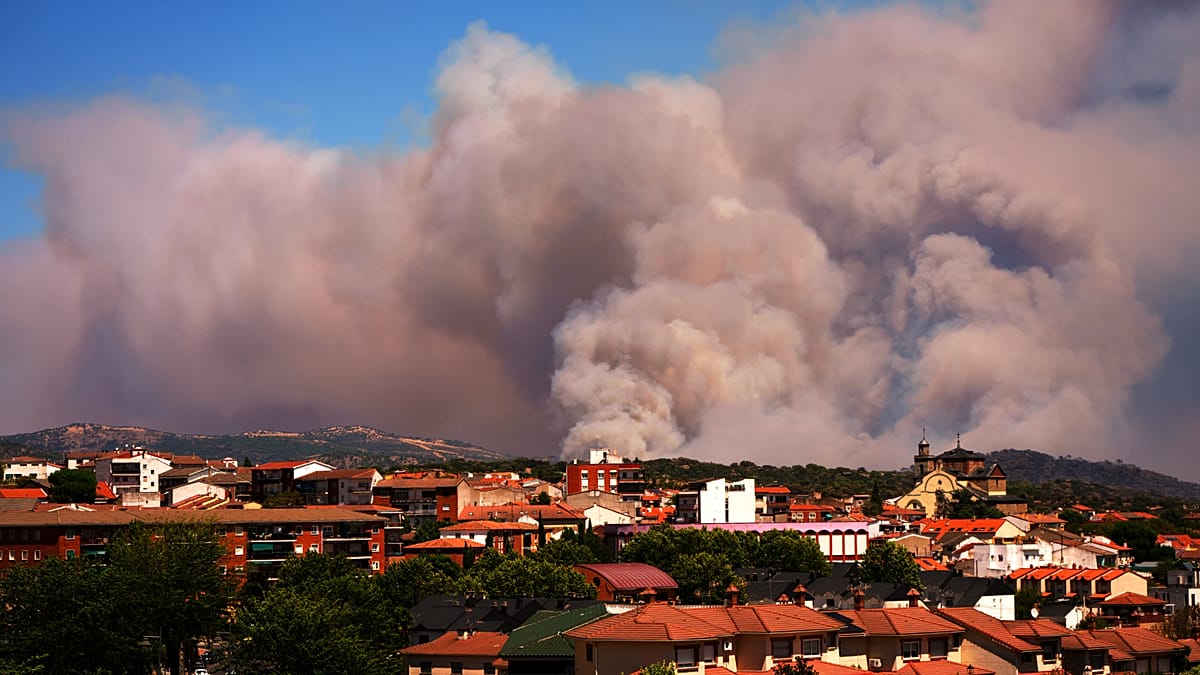
With hundreds of firefighters still deployed in Madrid, Ávila and Toledo battling the worst forest fire ever recorded in Spain, it is still too early to know exactly how much the blazes will cost the state’s coffers this year. However, taking the 2025 figures into account, one thing is clear: the bill will be steep.
According to Greenpeace’s report (source in Spanish) "Grandes incendios forestales" (Major forest fires), drawn up using data from the National Association of Forestry Companies (Asemfo), it is estimated that last year the Spanish government allocated between 3.548 and 6.741 billion euros to extinguishing fires which, according to data (source in Spanish) from the Interior Ministry, ravaged nearly 354,793 hectares across the country, in a total of 8,189 recorded incidents.
The calculation varies depending on whether the benchmark is the estimated per-hectare cost from the Navarra Forestry Agency, set at 10,000 euros, or the figures used by Asemfo, which put the cost at around 19,000 euros per hectare. In any case, these estimates only cover the average cost of firefighting operations, and do not include the restoration of the affected areas.
Given that, according to the latest briefing (source in Spanish) from the Ministry for Ecological Transition, the forest area affected by fires in Spain since the start of the year already stands at 172,396 hectares – virtually half the total that burned in the country in 2025 – the bill so far this year could amount to between 1.723 and 3.275 billion euros.
However, it should be remembered that this calculation only includes firefighting tasks. Restoring landscapes devastated by the flames "usually proves more expensive than the actual firefighting", noted the dean of the Official College of Forestry Technical Engineers (COITF), Ana Belén Noriega, in comments to 'Infobae'.
By way of comparison, the European Parliament approved (source in Spanish) this month an emergency aid package for Spain worth 120.55 million euros to cover damage from droughts, heatwaves and forest fires.
The importance of prevention
According to Asemfo’s estimates, based on data from the Ministry for Ecological Transition, a large share of public funds earmarked for tackling fires goes to firefighting work rather than prevention.
"We are probably talking about very similar figures to those we have seen in previous years, of around 1.2–1.3 billion euros in total, of which some 400 million will go on firefighting," Miguel Ángel Duralde, president of Asemfo, told the radio station 'Ser'. In other words, around 800 million euros is devoted to prevention work. It should be noted that these calculations depend on official information supplied by the various competent authorities to the Ministry for Ecological Transition, and are therefore only an approximate estimate.
Duralde, who laments that "the losses are enormous" and stresses that "forest fires are put out in winter", argues for the importance of channelling more funds into prevention which, by his calculations, would save around one hundred euros in firefighting for every euro spent on averting blazes from the outset.
"The change in the landscape we are going to see, the quality of the water, the amount of water, the biodiversity we are losing, the resources in timber, mushrooms and resin, the damaged soil that will struggle to regenerate and support an ecosystem like the one it had… the ratio would be one to a hundred," he concluded.
In that regard, the expert argued that, bearing in mind that forest land in Spain accounts for slightly more than half of the country’s surface area, around 3 billion euros a year should be invested "not in buying planes (...) but in forest management". "That is how we would start to see significant changes with an impact on how fires evolve," he concludes.
Tourism and agriculture, the hardest-hit sectors
Forest fires not only leave a heavy environmental toll but also have a significant economic impact. A 2023 study (source in Spanish), published in the scientific journal 'Journal of Environmental Economics and Management', found that regions in southern Europe affected by large wildfires see their annual GDP growth reduced by between 0.11% and 0.18%. In the severest years, the cumulative decline can reach between 3.3% and 4.8%.
The study also identified a direct effect on jobs linked to tourism. Activities related to transport, accommodation and catering record a reduction of between 0.09% and 0.15% in their annual growth, which amounts to an estimated loss of between 5,700 and 9,600 jobs per season across southern Europe.
It is therefore hardly surprising that the Ministry of Labour has prepared a package of extraordinary measures to protect workers who cannot get to their workplaces because of the forest fires. The plan provides for the state to cover labour costs in full during that period, including wages and social security contributions, so as to prevent employees and companies bearing the economic fallout of the emergency.
Then there is the impact on the farming sector, which is directly affected by this type of disaster. On Monday, the Interior Minister, Fernando Grande-Marlaska, suspended harvesting work involving the use of heavy machinery in the Madrid region and in the provinces of Ávila and Toledo for as long as the forest-fire emergency lasts.
In addition, because of the flames, thousands of head of livestock have died or have been cut off without access to water or food in the centre of the Iberian Peninsula. In response, the Madrid regional government has approved financial aid for farms affected by the fire in the western Sierra of the region.