Simon Fisher obituary
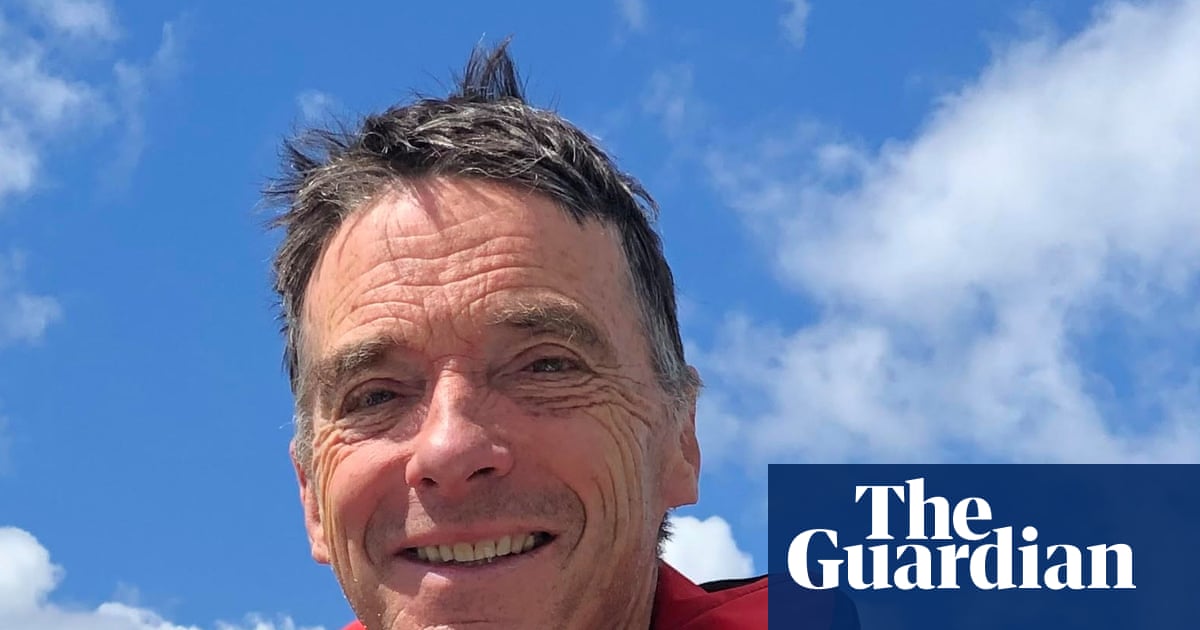
My friend Simon Fisher, who has died aged 77, was the founder in 1992 of Responding to Conflict, a pioneering initiative to train people from around the globe in conflict transformation – the idea of building...
My friend Simon Fisher, who has died aged 77, was the founder in 1992 of Responding to Conflict, a pioneering initiative to train people from around the globe in conflict transformation – the idea of building constructive change out of the energy created by conflict.
Initially conceived in Bristol and then run from Woodbrooke College in Birmingham, the project attracted participants from across the world to study, work together and learn from each other’s experience of conflict and reconciliation, creating a network of people who were trained to work for non-violent change in the places in which they lived.
Simon was born in Kuala Lumpur in Malaysia to Brigadier Richard Fisher, who served in the Royal Artillery, and his wife, Suzanne (nee Allen), a homemaker. The family moved back to the UK when he was two, and he went to Winchester college (1967-70) before gaining a degree in politics with modern languages at Bristol University. There he met Jane Binney, a fellow student, whom he married in 1971.
Shortly afterwards they moved to Southern Rhodesia (now Zimbabwe), where Simon taught at St David’s school in Bonda. On their return to the UK in 1973 Simon did teacher training at Oxford University and in 1974 began teaching modern languages (later changing to social studies and humanities) at Hartcliffe school in Bristol.
In 1979 he built on this experience, becoming field officer at the World Studies Project, an initiative set up by the Schools Council to look at ways of introducing a consideration of wider global issues into teaching in English schools.
Four years later, with four young children, he and Jane moved to Botswana (living in a village with no running water or electricity) to work for Quaker Peace & Service for Southern Africa, a campaigning arm of UK Quakers supporting people within South Africa who were trying to bring about an end to apartheid. Later they spent four years (1987-91) in Zaire (now the Democratic Republic of the Congo), where Simon was country representative for Oxfam, responsible for health, agriculture and income generation initiatives as well as for recruiting local staff to replace expats.
Fuelled by those experiences, on his return to the UK in 1992 Simon founded Responding to Conflict, which he ran for 12 years. He travelled extensively to support people working for change, particularly in Africa, South Asia and the former Soviet Union, offering training, strategic planning skills and support when invited. From 2004 he and Jane focused primarily on Zimbabwe, where Simon worked alongside NGOs, police bodies, MPs and local chiefs on conflict analysis and strategic planning.
He also worked from 2004 to 2018 with the Centre for Peace Studies in Cambodia, teaching for them and serving as a board member, and taught at the Oxford Brookes Centre for Development and Humanitarian Practice (2003-26), including at the end of his life from his hospital bed. He wrote three books: Spirited Living (2013), and two volumes of Working With Conflict (2023).
I met Simon and Jane in 1979 through Quakers, and our families developed a deep friendship as we took part in peace initiatives in Bristol and spent time together. He was a wonderful mixture of fun and seriousness; insightful, wise and compassionate. He loved to sing in choirs as well as more informally with his family.
He is survived by Jane, their children, Naomi, Jonah, Abigail and Susannah, seven grandchildren and his siblings, Robin, Jonathan and Judith.