Wreckage of 1952 Pan Am plane crash that changed air safety found near Puerto Rico
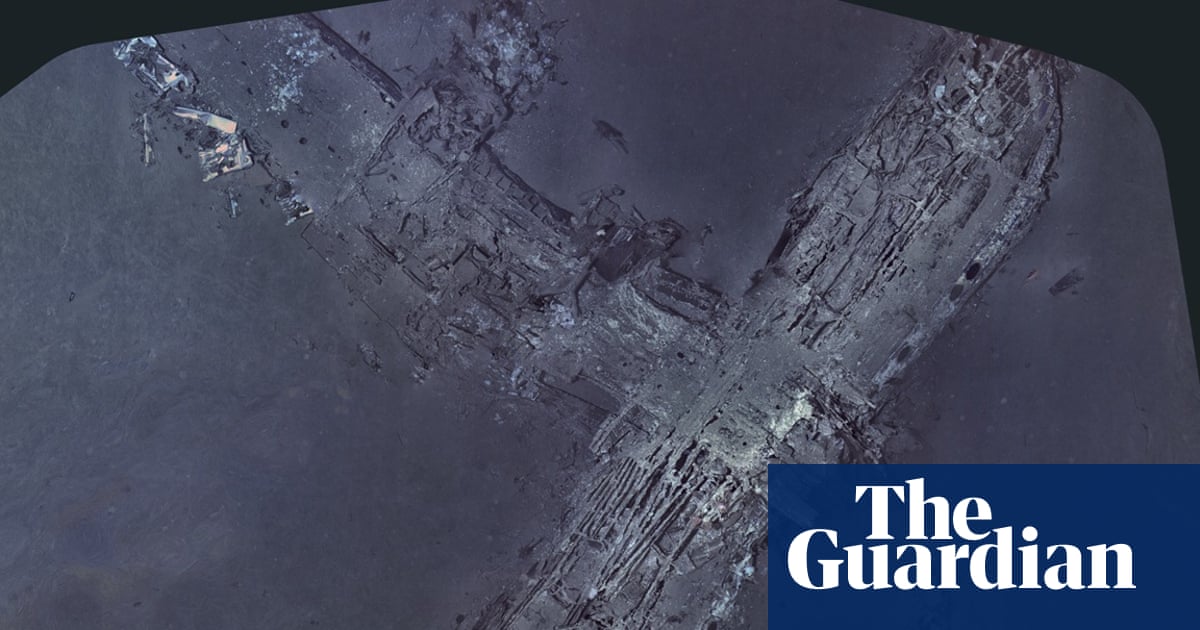
Searchers have found the wreckage of a Pan Am flight that plunged into the ocean off Puerto Rico in 1952, in an accident that killed 52 people and led to the passenger safety briefings given on modern-day...
Searchers have found the wreckage of a Pan Am flight that plunged into the ocean off Puerto Rico in 1952, in an accident that killed 52 people and led to the passenger safety briefings given on modern-day commercial flights.
The Clipper Endeavor went down when two engines failed shortly after takeoff. The 17 passengers and crew who survived told investigators everyone lived through the splashdown but panic set in as many passengers struggled to find life vests and the crew struggled to pull out life rafts.
Within minutes the plane sank. Thirty-nine bodies were never recovered.
Explorers found the wreckage of the DC-4 in June when a robotic sonar drone located the fuselage and tail in 600 metres of water.
“This one became a catalyst, and it helped drive safety steps forward of better flotation equipment and the preflight briefings,” said aviation safety expert John Cox, a pilot and founder of Safety Operating Systems. “So this is one stepping stone along the path to what we today enjoy as aviation safety. It was a rallying cry at the time.”
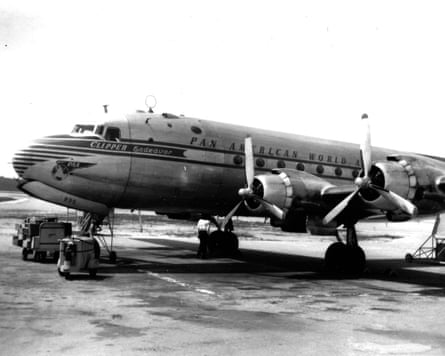
The disaster led to sweeping aviation reforms; today, before takeoff, flight attendants instruct passengers about exit locations and where life vests are located and how to inflate them.
In 2019 the crash caught the attention of Russ Matthews, president of the Air/Sea Heritage Foundation, when he saw an article about a luggage tag from the flight washing ashore in Florida. He said the historical significance of the Clipper Endeavor prompted him to dig deeper.
That led to years of searching through the Pan Am and Coast Guard archives looking for clues about the crash site. Reports from the Civil Aeronautics Board, which was the predecessor to the Federal Aviation Administration, also helped.
The key to finding the wreckage was found in records in Puerto Rico from a hearing that was held on the crash, and a map estimating the location of the crash that was done by air force pilots training in the area who witnessed the crash.
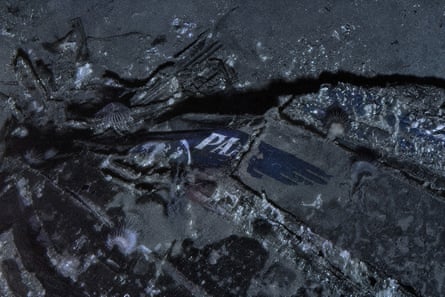
Tony Romeo, CEO of the undersea exploration firm Deep Sea Vision, said he joined the effort when one of his ships was in the Puerto Rico area carrying an advanced underwater drone with the right sensors. Deep Sea Vision previously led an unsuccessful six-month search for Amelia Earhart’s plane.
Matthews’ group combined its research with weather data from the time of the crash to produce a search map covering 10 square nautical miles. The drone found the wreckage on its first pass.
The discovery could offer new hope to families who lost loved ones in ocean crashes like flight MH370, the Malaysia Airlines jet that disappeared 12 years ago with 269 people on board.
The search for the Clipper Endeavor will be featured in a future episode of the Discovery Channel show Expedition Unknown.