NATO exercises at Finnish-Russian border as drone incursions mount
NATO is conducting military exercises just 30km from the Finnish Russian border amid a major escalation of drone activity in NATO territory. "Northern Star" tactical training at the Vuosanka training ground...
NATO is conducting military exercises just 30km from the Finnish Russian border amid a major escalation of drone activity in NATO territory.
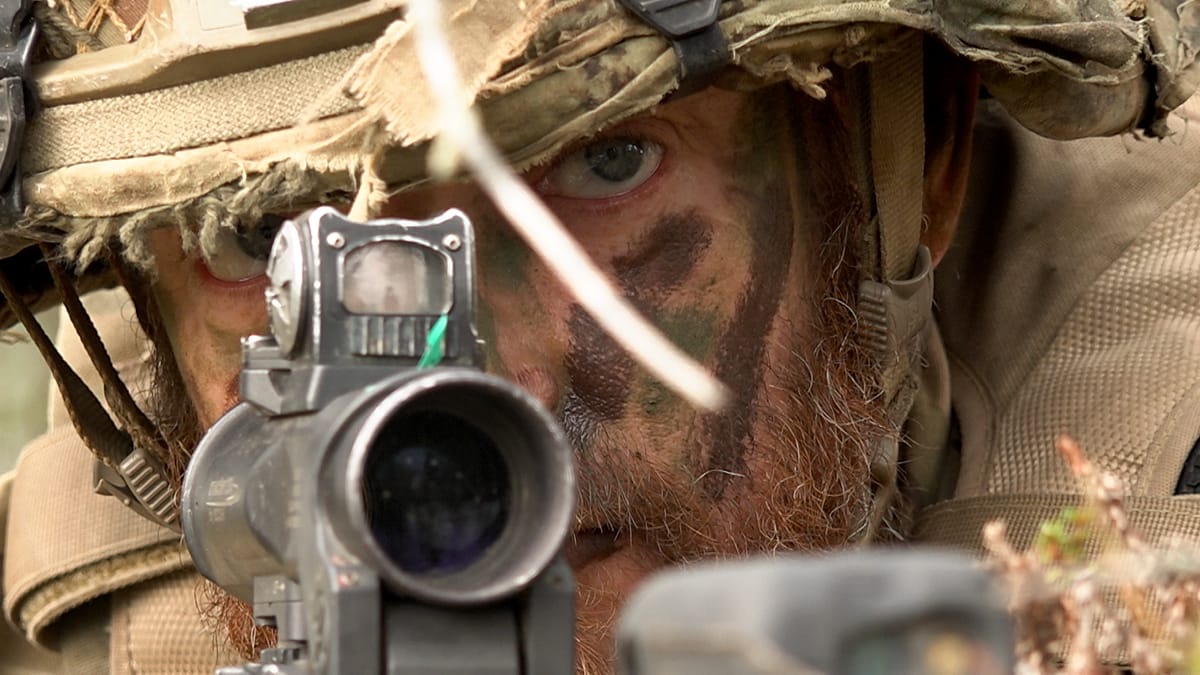
"Northern Star" tactical training at the Vuosanka training ground in Kajaani, central Finland, involves seven NATO allies: the Finnish defence forces, the US, Poland, the UK, France, Italy and Hungary. Over several months, around 9,000 personnel will train in difficult High North terrain populated by dense forestry with temperatures as low as -20°C in winter.
The allied troops are simulating combat and rapid-deployment scenarios, with live-fire artillery, infantry, and helicopter drills including heavy-lift American chinook military helicopters working alongside battle tanks to move troops and equipment across adverse conditions.
Alongside traditional military capabilities, a key focus of Northern Star is NATO’s "Eastern Flank Deterrence Initiative" (EFDI) which envisions “an autonomous zone” where unmanned systems can operate, similar to the concept of a so-called “drone wall" or "networked drone swarms."
The EDFI also involves a strong troop presence, including multinational battle groups, to be deployed in moments of ambush or in the event of a serious threat.
NATO's enhanced deterrence strategy is taking shape as allied countries struggle to respond to the urgent need to modernise their eastern flank capabilities. Advances in drone technology are constantly emerging on the battlefield in Ukraine and beyond, and while Ukraine is emerging as a leader in drone technology, the Russian army is managing to scale more cheaply with the ability to launch drone strikes at longer ranges.
“The big thing is having an autonomous kill web of different drones and unmanned capabilities,” such as surveillance, sensors and radars, US Army Major Matt Blubaugh tells Euronews in Vuosanka.
He says allies’ sensor and data networks need to be better integrated in order to have a robustly defended Eastern flank.
“So that if you have incursions in Estonia, but systems in Latvia or Lithuania that can see those, then someone else can use their technology to take those threats out,” he says.
Notwithstanding the significant changes to how war is conducted, particularly in Ukraine where drone technology is dominating the battlefield, armed forces and troops deployments are still vital, Blubaugh points out.
"No matter what happens, as we see all this technology, all this innovation with drones and AI and everything else, it doesn't replace things you need such as actual bodies," he said.
"You still need troops on the ground, you need tanks to hold real ground."
The Northern Star exercise – an annual one that's planned several months in advance – takes place as ongoing incursions from Russian activity is unsettling NATO members.
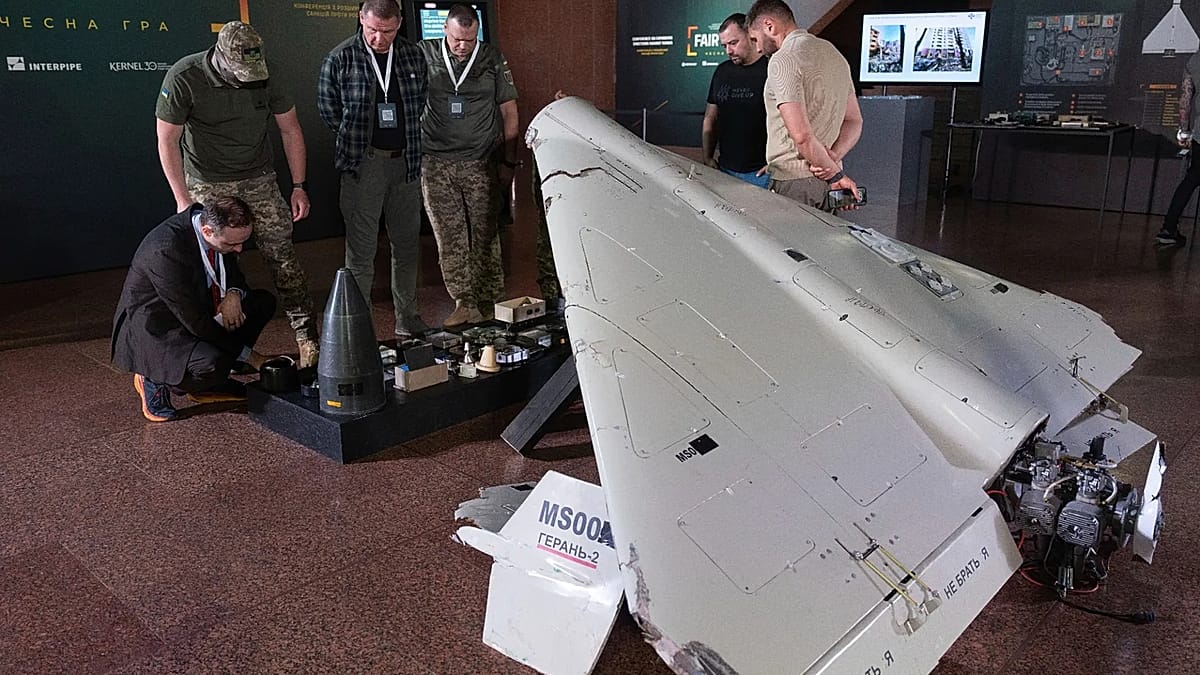
Two Romanian F-16 fighter jets scrambled in response to a Russian violation of NATO airspace in the early hours of Friday morning when a Russian drone hit a block of flats in the eastern town of Galați, near Romania's eastern border with Ukraine, injuring at least two people.
A meeting of Romania’s national security council is taking place in Bucharest Friday to best decide how to respond, such as whether the government decides to take formal action at NATO.
It’s highly likely Bucharest could invoke Article 4 of the NATO Treaty which allows an injured state bring a specific security matter to the table at the North Atlantic Council, NATO's central political decision-making body, representing all 32 allies.
Friday's response, which came under the auspices of NATO's Eastern Sentry operation – created to protect territory along NATO's eastern flank – has raised wider questions about NATO’s readiness and willingness to respond if Russian airstrikes become even more violent, or fatalities occur.
Eastern Sentry was created after formal Article 4 proceedings were initiated by Poland over a Russian drone incursion into its airspace in September, 2025.
Responding to the drone incident in Romania, NATO’s Secretary General, Mark Rutte said "Russia's reckless behaviour is a danger to us all", while European Commission President Ursula von der Leyen declared that Russia's "war of aggression had crossed yet another line".
NATO’s Supreme Allied Commander for Europe (SACEUR), Alexus Grynkewich spoke with his counterpart, General Gheorghiță Vlad, Romanian Chief of Defence, saying additional measures to strengthen Romanian and NATO’s collective defence are being “considered”, according to SACEUR's office.
“They also agreed to stay in particularly close contact with one another as an investigation of the incident continues, and potential additional defensive measures are considered", said a statement by NATO's Colonel Martin O'Donnell.