Longevity medicine: the scientific challenge of adding life and energy to our years
As Spain ages and becomes one of the countries with the highest life expectancy, doctors and new research are driving preventive and longevity medicine, seeking to be democratised and free of fraud so that people can enjoy their final years in good health.
Population ageing is one of the major demographic and health challenges of our time. Spain is at the forefront of global longevity, with average life expectancy already reaching 84 years. However, behind this statistical figure lies a far more complex reality: from the age of 65, almost 50% of people’s lives are spent under the shadow of disease, disability or loss of functional independence. We are living longer, yes, but with a quality of life in the final stage that often leaves much to be desired.
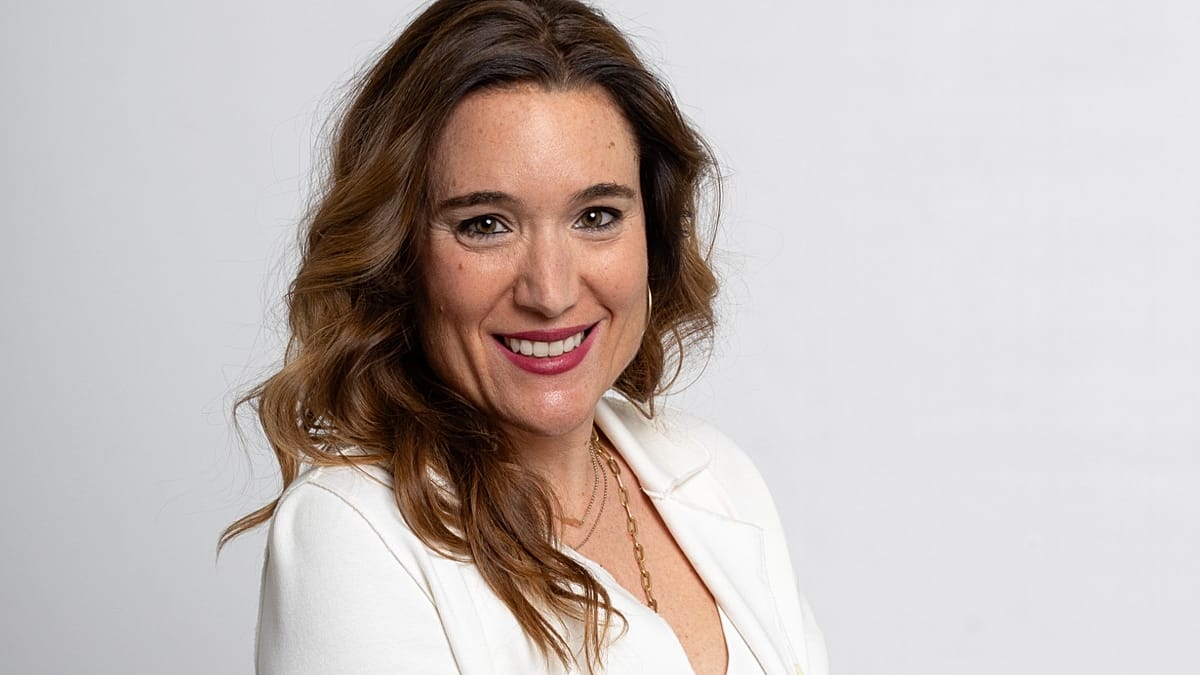
In the face of this medical paradox, innovation and technology are emerging as key allies in reshaping the way we grow old. Within the framework of the Ibiza Tech Forum, we spoke to Cristina Spa, a pharmacist with two decades of experience in the industry and founder of C+Longevity, a pioneering ecosystem specialising in the field of healthy longevity. Her goal is as clear as it is ambitious: to build the definitive bridge between cutting-edge technology and real-world clinical practice.
The dangers of extreme ‘biohacking’ and the need for scientific backing
With the democratisation of information-sharing on social networks, the concept of longevity has been swamped by an excess of background noise. Questionable therapies and strands of extreme ‘biohacking’ – an approach that seeks to optimise physical and mental performance and human longevity by combining science, technology, nutrition and healthy habits – circulate every day, fuelling misinformation that can be highly damaging to people’s health.
In response to this landscape, Cristina Spa argues that science must be put back at the centre of the board. “Our aim is for health professionals – doctors, nurses, psychologists, nutritionists – to be the ones helping the public to ensure that all this technology applied to the science of longevity really reaches clinical practice,” the expert explains. To that end, her initiative offers clinicians a safe space with accredited training and a robust scientific library, steering the discipline away from the casual empiricism of social media.
One clear sign of this shift in scientific paradigm is the emergence of longevity research groups at universities such as Valencia (source in Spanish). This milestone provides the academic endorsement the discipline needs to take root, paving the way for what Spa predicts will ultimately become an official medical specialty in healthy ageing.
Veteran doctors: the most interested in prevention
Contrary to common assumptions, it is not the youngest professionals who are spearheading interest in this new field, but the more seasoned doctors. After years working in the public health system, these specialists are acutely aware of both its strengths and its structural shortcomings, marked by a lack of time to practise genuinely preventive, personalised medicine that can directly influence patients’ lifestyles.
Moreover, longevity has proved to be a deeply cross-cutting field of interest. What initially appeared to be a niche reserved for aesthetic medicine or dermatology has caught the attention of immunologists, endocrinologists, gynaecologists and even paediatricians, because, as the pharmacist reminds us, “longevity is built from the day we are born”.
‘Wearables’ and data: from information overload to expert interpretation
We live in the age of data. Smart watches and devices are constantly tracking our heart rate, sleep quality and hormonal cycles. But having access to this technology does not in itself guarantee better health; in fact, it can lead to chronic, counterproductive stress if users lack the knowledge to make sense of all that information.
Spa stresses that the real added value lies in the personalised interpretation of these metrics. A health professional does not read the data against generic averages, but in the light of the patient’s unique context: their environment, workload and personal circumstances. “This responsibility should not be placed on citizens who have not studied medicine. Just as googling symptoms is a mistake, the same goes for health data: we need an expert by our side who knows how to adjust them and act,” she underlines.
Towards the democratisation of preventive medicine
At present, longevity medicine is seen as a costly, hard-to-access service. Our current health system is designed to be reactive: people do not go to a medical centre until a symptom or condition has already appeared.
Against the backdrop of an inverted population pyramid, it will be civil society that plays a crucial role in putting pressure on authorities and policymakers to shift towards a preventive health-care model. As demand grows and more specialists are trained, costs will come down, allowing these treatments to be rolled out more widely.
Spa ends with an appeal for greater social awareness: just as we mobilise to raise funds for research into specific diseases such as cancer or Alzheimer’s, it is vital to start investing resources in research into healthy ageing.
Gaining an in-depth understanding of the biological mechanisms of ageing is the ultimate key to tackling age-related diseases at their root and ensuring that the final years of life can be enjoyed in full, with vitality and energy.
You can watch the full interview: