Your viruses fly with you, and scientists could use them to spot the next pandemic
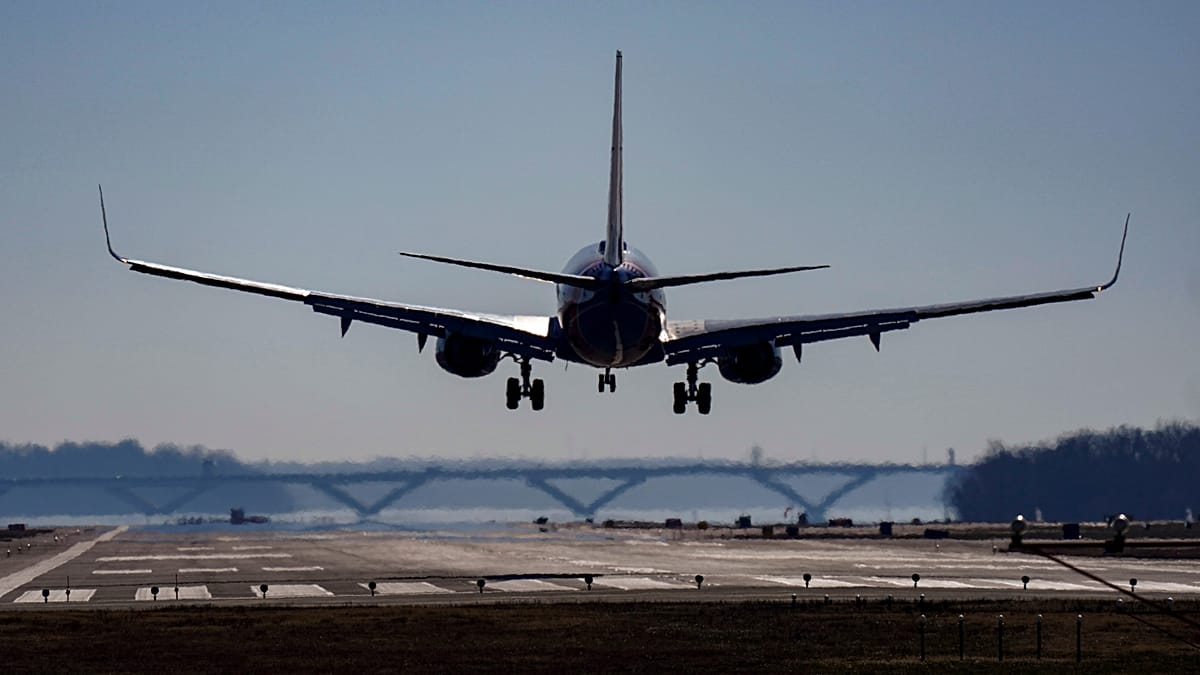
Testing aeroplane wastewater can detect circulating pathogens weeks earlier than traditional global pathogen surveillance allows, offering a potential early-warning tool for global outbreak preparedness, a US–UK pilot study found.
Published on 05/08/2026 - 7:16 GMT+2
People travel regularly, for work, tourism, or family matters. They cross countries and oceans, and the viruses and bacteria present in their bodies travel with them.
A new pilot programme by the United States Centers for Disease Control and Prevention and the United Kingdom Health Security Agency analysed wastewater from flights at two connected international airports.
The findings showed that aeroplane wastewater can be systematically collected and analysed to advance global pathogen surveillance while maintaining passenger and airline privacy.
“Aviation wastewater monitoring offers the potential to enhance cross-border biosecurity,” wrote the authors of the pilot study.
International air travel can rapidly disseminate pathogens through the quick, massive movement of people, making surveillance at travel hubs a potentially valuable early warning tool, they noted.
Over roughly ten months from March 2024 to January 2025, the researchers collected 424 samples from flights between the United States and the United Kingdom.
Of all the collected samples, nearly 75% tested positive for at least one respiratory pathogen such as influenza A virus, influenza B virus, the virus that causes COVID-19 and respiratory syncytial virus, all highly contagious.
Influenza A viruses can cause seasonal flu epidemics and are the only flu viruses capable of causing global pandemics.
Meanwhile, around 72% of samples were positive for at least one gastrointestinal illness.
Aviation wastewater, which is rich in human waste and free of external contributions such as agricultural or industrial inputs, provides high-concentration signals and may serve as a useful early warning approach to detect pathogens of public health importance, the authors noted.
It can also be done without disrupting operations and allows for pathogen detection without engaging travellers.
A COVID variant caught early
For example, the study detected the XEC COVID-19 variant on UK-origin flights on 17 September 2024, four weeks earlier than its detection in US-origin flights.
XEC's first clinical case in the US was recorded in July 2024. But aeroplane and community wastewater data show that significant transmission in the country did not begin until mid-October.
This gap highlights how sensitive aviation wastewater sampling is to timing and matches reports that XEC first appeared in Europe before spreading to the US, the authors wrote.
The authors suggest that expanding this model into a global network of “sentinel airports”, integrated with genomic sequencing and rapid data exchange, could provide a near real-time map of how a new pathogen is moving, enhancing pandemic preparedness
This could allow governments to implement targeted mitigation strategies early on, potentially avoiding more drastic measures like travel bans or border closures.