Putting survivors at the heart of Europe's fight against child sexual abuse
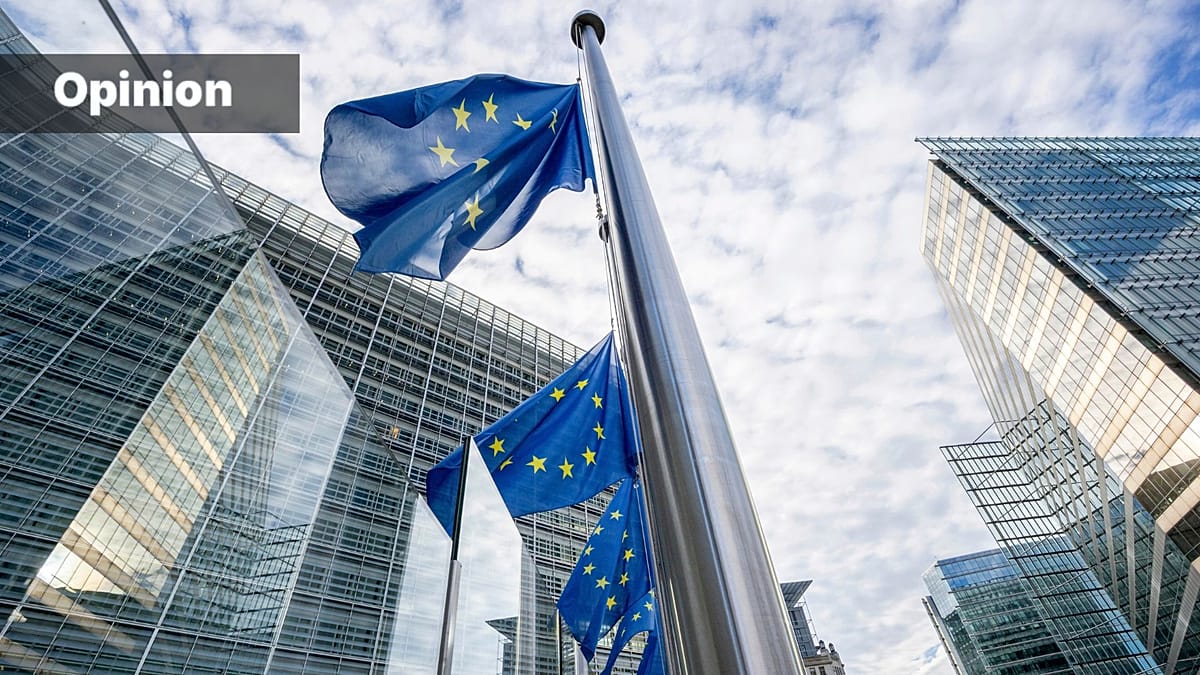
A new EU Directive ensures that victims of child rape can report the crime until the age of 50 – establishing a minimum standard across all 27 Member States, describes Jeroen Lenaers, MEP (Christian Democrats) in an OpEd for Euronews.
By Jeroen Lenaers MEP (EPP, NL) is a member of the European Parliament’s committee on civil liberties, justice and home affairs.
Published on 08/07/2026 - 17:53 GMT+2•Updated 17:59
The opinions expressed in this article are those of the author and do not represent in any way the editorial position of Euronews.
The EU has just raised the bar globally for child sexual abuse legislation that centers the experiences of survivors and safeguards access to justice.
After two years of intense negotiations, the European Council and the European Parliament just made history in the fight against child sexual abuse in Europe by finding an agreement on the revised Child Sexual Abuse Directive. The final document is something I am immensely proud of.
First EU legislation to refer to "survivors" rather than "victims"
The Directive ensures that victims of child rape can report the crime until the age of 50, establishing a minimum standard across all 27 Member States. It also criminalises new forms of online child sexual abuse, including grooming, the livestreaming of abuse, AI-generated child sexual abuse material, and the possession or distribution of manuals that instruct offenders how to abuse children.
Several of these offences are recognised for the first time in EU law. And there is another important first: the Directive is the first piece of EU legislation to refer to "survivors" rather than simply "victims", acknowledging the lifelong impact of these crimes and the reality that many people are only able - or willing - to come forward years or even decades later.
'Consistent standards across the EU'
The reason I’m so proud of this Directive is because it prioritises the perspectives and experiences of survivors of childhood sexual violence. In numerous meetings I have had with survivors during the negotiations, I heard about how the time limits (also known as ‘statute of limitations’) for reporting child sexual abuse do not acknowledge the specific nature of this crime.
Namely that it can take decades for survivors to navigate cultural stigmas or come to terms with their abuse. I heard from one Spanish survivor from the Brave Movement - a global, survivor-led advocacy movement - that his abuser avoided jail time because the statute of limitations had run out, despite the fact that he had abused 12 children over three decades.
Through research done by survivor advocates, I learned why access to justice is a postcode lottery for survivors living across the EU. Some EU countries, such as Belgium, Cyprus, Hungary and the Netherlands, have no statute of limitations for certain crimes, so survivors can access justice no matter how old they are.
For others, including Finland and Slovakia, the limitation period starts from the moment the crime is committed. This means that by the time the survivor comes forward, it could be too late for redress or accountability. The need for consistent standards across the EU is therefore essential.
AI has transformed the way children are abused
I also came to understand the importance of the term "survivor". Because of stigma, fear and misplaced shame, child sexual abuse remains one of the most underreported crimes, with many never seeking justice or obtaining legal recognition as victims. If only those formally recognised as "victims" through the justice system can access support services or help shape policymaking, countless people who suffered from abuse are left behind. That is why, for the first time in EU legislation, the Directive recognises the term "survivor".
Evidence shows how technology has transformed the way children are abused. Artificial intelligence is now being used to generate child sexual abuse material, while online grooming and the livestreaming of abuse have become growing threats. Yet for too long, the law failed to keep pace. The new Directive closes that gap by recognising AI-generated child sexual abuse material, online grooming and the livestreaming of abuse as forms of child sexual abuse under EU law, ensuring that those who exploit technology to harm children face justice.
The fight is far from over
The final Directive is a product of the tireless efforts, courage and persistence of survivors. Without their determination to speak out, to challenge outdated assumptions and to demand change, such an ambitious piece of legislation would never have been possible. I am deeply grateful to every survivor who shared their experiences with me. Their voices helped shape it into a law that reflects the reality of child sexual abuse and the needs of those it is meant to protect.
The fight is far from over. The EU legislation defining online platforms' responsibilities to combat child sexual abuse material is still under negotiation, and we will continue to fight for rules that genuinely protect children. But this updated Directive marks a major step forward in Europe's fight against one of the most horrific crimes imaginable.