What to know about the Bundibugyo virus and why a vaccine is not an immediate solution
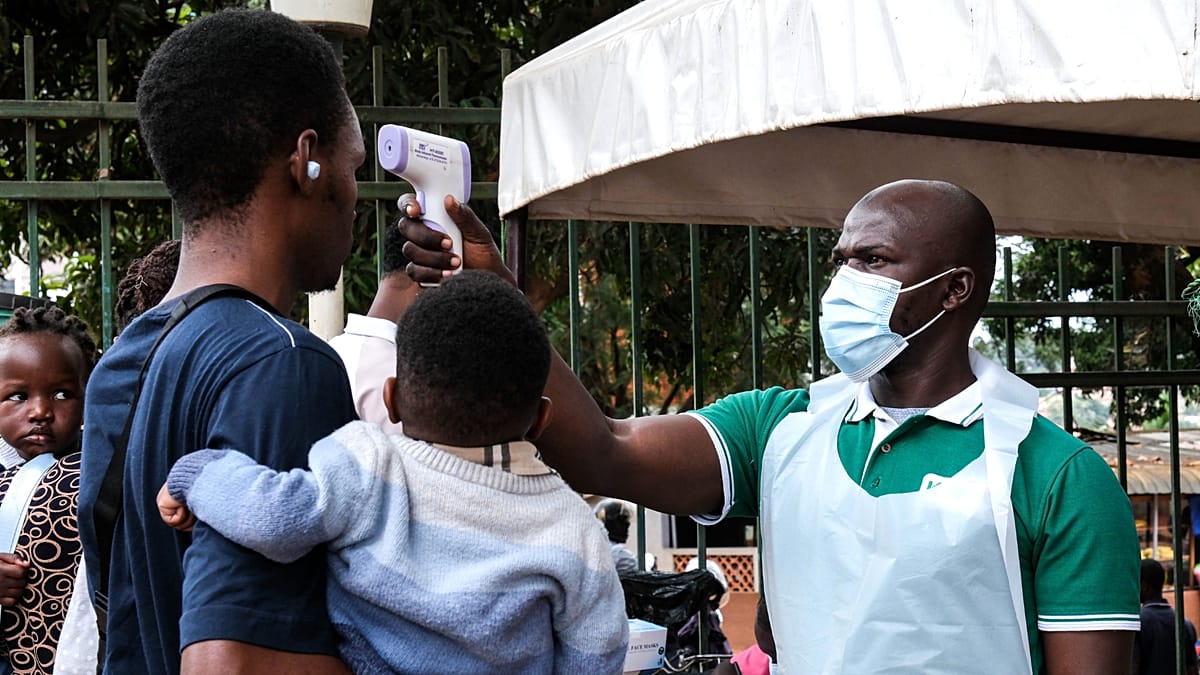
As the Ebola outbreak outpaces the response in the Democratic Republic of Congo (DRC), the World Health Organization (WHO) has gathered experts to assess potential treatments and vaccines. The virus behind...
As the Ebola outbreak outpaces the response in the Democratic Republic of Congo (DRC), the World Health Organization (WHO) has gathered experts to assess potential treatments and vaccines.
The virus behind an outbreak in the country, suspected of killing more than 200 people, is less common than the strains that cause other forms of Ebola disease, which is complicating the response because there are no specific treatments or vaccines.
“This is serious, and you deserve to hear that plainly. But I also want you to know this: while there are no specific treatments for Bundibugyo, there is much we can do together to prevent the spread of this virus and save lives,” WHO Director General Dr Tedros Adhanom Ghebreyesus wrote in a letter to the people of the DRC on Thursday.
What is the Bundibugyo virus, and how does it spread?
Bundibugyo is one of the four identified orthoebolaviruses that can cause disease in humans. It is a rare strain, first identified in 2007. Based on the few outbreaks health experts have recorded, Bundibugyo appears slightly less deadly than the Zaire or Sudan virus.
The incubation period for the disease ranges from two to 21 days, and individuals are usually not infectious until symptom onset, according to the WHO.
The health agency notes that early symptoms are non-specific –including fever, fatigue, muscle pain, headache, and sore throat– which complicates diagnosis and can delay detection.
Case fatality rates in the past two outbreaks of this strain, reported in Uganda and in DRC in 2007 and 2012, ranged from approximately 30% to 50%.
The virus spreads through close contact with sick or deceased patients' bodily fluids, such as sweat, blood, faeces, or vomit, placing healthcare personnel at higher risk.
Are there any treatments?
There are currently no licensed therapeutics or vaccines specifically approved for the prevention and treatment of Bundibugyo.
However, the WHO has considered several candidate products promising enough to warrant prioritisation for evaluation in clinical trials and is now working with the governments of both the DRC and Uganda.
The organisation’s independent experts recommended prioritising three therapies for clinical trials: antibody treatments from Mapp Biopharmaceutical and Regeneron, and Gilead Sciences' antiviral drug remdesivir.
Mapp's antibody therapy was made for a different Ebola strain, the Sudan virus, but may be usable against Bundibugyo.
Could contracting the virus be prevented?
Several vaccines currently in development are considered “promising” candidates by WHO experts.
None is ready to use yet, but some could be within the next few months.
The most favoured candidate is the single-dose rVSV Bundibugyo vaccine, developed by the International AIDS Vaccine Initiative. It will likely require seven to nine months before it is ready to be assessed through a clinical trial for its ability to prevent infection.
Another candidate, ChAdOx1 Bundibugyo, being developed by Oxford University and Serum Institute of India, could become available within two to three months for efficacy assessment through a clinical trial.
However, the experts noted that additional animal data are still required to support and confirm further prioritisation.
“In the meantime, our priority is to stop transmission with tools that we have used for decades of Ebola responses,” the WHO said.
These include disease surveillance, rapid testing and diagnosis, contact tracing, isolation and care for patients, infection prevention and control, community engagement, and safe and dignified burials.