Waiting times for healthcare in Europe: The worst countries ranked
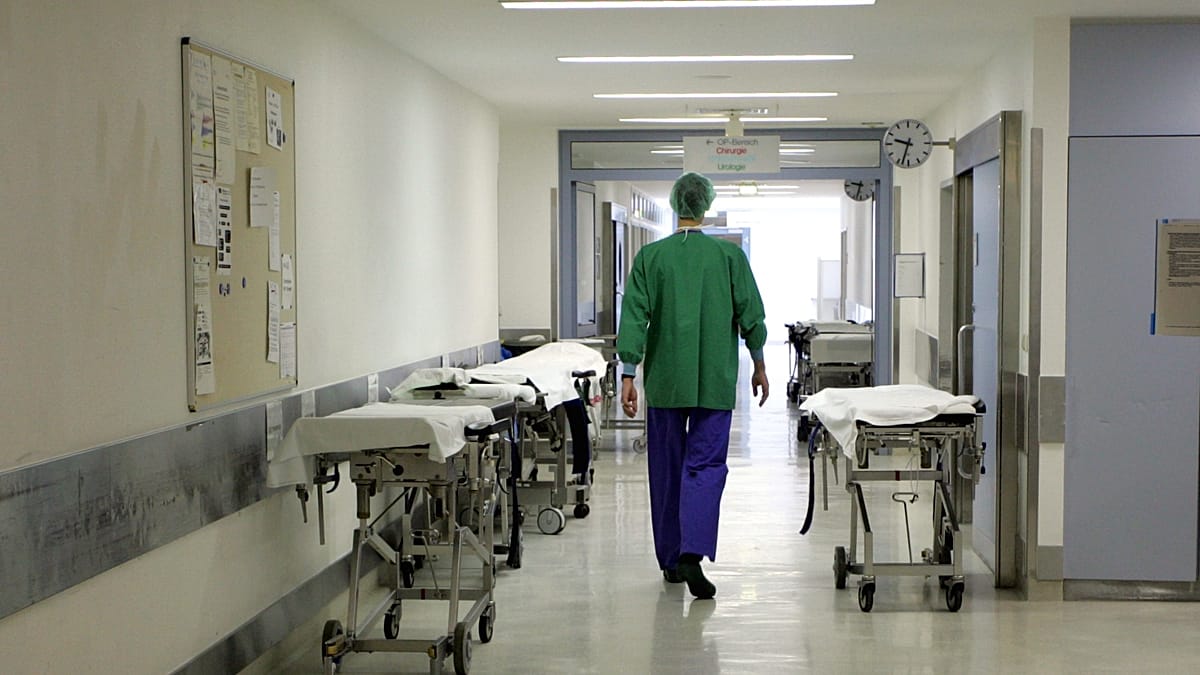
Waiting times for treatment in some European countries can run for years. This has real consequences for patients, experts warn. Euronews Health takes a close look at waiting times across several categories.
Did you know that more than one in ten patients who need to see a specialist in the United Kingdom (UK) wait longer than a year to get an appointment? Or that in Slovenia, patients face a wait of nearly two years — 667 days — just for a hip replacement?
The figures come from the Organisation for Economic Co-operation and Development's (OECD) Health at a Glance 2025 report, showing one of Europe's most pressing public health policy challenges: waiting times.
These may be among the worst figures in Europe. But the waiting crisis runs far deeper than two countries.
“Postponing the expected benefits of treatment means that patients continue living with pain and disability for longer than they need to and may worsen health outcomes for patients after the intervention,” the report said.
So which European countries keep patients waiting the longest? How serious is the problem across the continent? And how long do patients actually have to wait for surgery?
The OECD report reveals long waiting times across different areas of healthcare. Even getting an appointment with a general practitioner (GP) or nurse takes at least a week in several European countries as of 2023.
In Germany and France, a fifth wait weeks just to see a GP. In Sweden, 23% of patients wait more than a week to see a GP or nurse. In France and Germany, it is one in five (20%), and in the UK it is close to that level at 18%.
When those waiting six to seven days are also counted, the shares rise further: Sweden (30%), France (28%), the UK (27%) and Germany (26%).
Waiting times across countries may not be directly comparable due to methodological differences.
Waiting years to see a specialist
Waiting more than a year to see a specialist is a reality for some patients across Europe. The UK stands out the most: 11% of patients reported waiting over a year for a specialist appointment. In France and Germany, the share is 2%.
But even shorter waits are far from short. More than two in five patients in France (43%) wait between two months and a year, followed by 32% in the UK, 29% in Sweden and 22% in Germany.
Waiting months for cataract surgery
Waiting times for cataract surgery tell a similar story. The indicator measures the share of patients waiting more than three months from specialist assessment to treatment.
In Norway, four in five patients (81%) with this need waited more than three months in 2024. Finland was close behind at 71%.
A majority of patients also waited more than three months in the UK (58%), Portugal (58%) and Spain (53%). Poland (13%), Hungary (17%), Sweden (22%) and Italy (27%) had considerably lower shares.
Cataract waiting time longer than before the pandemic
Among nine European countries tracked, waiting times for cataract surgery rose in 2024 compared to 2019 in seven of them, with only Poland and Hungary seeing a decline, reflecting the lasting impact of the COVID-19 pandemic.
In the UK, the share of patients waiting more than three months more than doubled, from 22% to 58%. In Norway, it climbed from 65% to 81%.
These figures point to the continuing pressure on health systems following the pandemic.
Hip replacements: Waiting close to two years in Slovenia
The median waiting time for a hip replacement is also striking. In Slovenia, patients waited a median of 667 days in 2024, close to two years.
Poland was also over a year at 343 days, followed by Hungary (209 days) and the UK (174 days). These are median figures, meaning half of all patients waited even longer than the days reported here.
"Waiting times for non-emergency health care are a significant health policy concern across many health systems where patients must wait weeks or months to access health services,” Luigi Siciliani from University of York, wrote in a recent article at European Journal of Public Health.
Why do waiting times differ so much across countries? According to the OECD, waiting lists generally arise from an imbalance between the demand for and the supply of health services.
Siciliani pointed out that waiting times differ extensively across countries as a result of different capacity constraints, funding decisions, health personnel and mismatch with growing demand for health care driven by an ageing population and technological innovation.
According to Eurostat, waiting time is also a significant reason for unmet needs in urgent medical care.