Thursday briefing: Five things to look out for in today’s local and parliamentary elections
In today’s newsletter: As voters cast their ballots from Wales to Westminster, long‑established political loyalties face their toughest test in decades, with parties old and new vying to reshape the national landscape
Millions of Britons head to the polls today. From the Scottish Highlands to the Isle of Wight, swathes of the country will elect local councillors and representatives in national parliaments. Officially, the mundane functioning of everyday life is on the ballot: bin collections, road maintenance and community services.
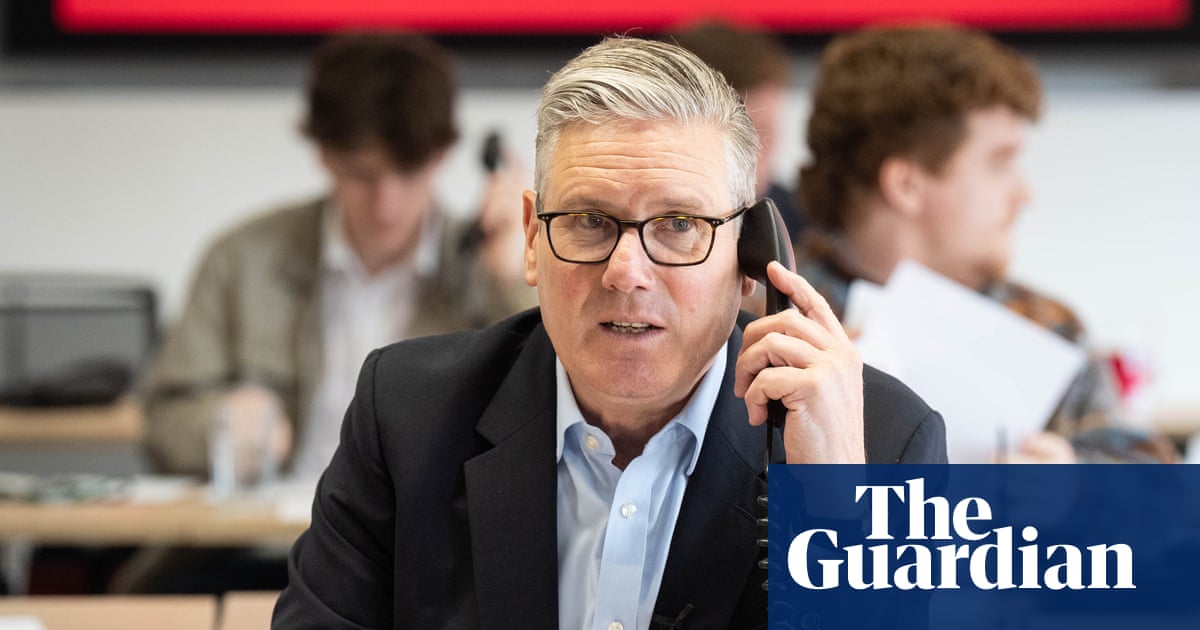
But many commentators are expecting a political earthquake, where the end of a system dominated by two parties is truly crystalised for the first time, and the survival of Keir Starmer as British prime minister is called into question.
For today’s First Edition, we asked the Guardian reporters who have been on the ground ahead of elections about what they are looking out for. But first, the headlines.
Five big stories
-
UK politics | Nigel Farage’s income since he was elected as an MP has reached £2m on top of his parliamentary salary, analysis of the register of MPs has shown.
-
US news | A federal judge has unsealed an alleged suicide note written by Jeffrey Epstein, the first time the document has been made public.
-
Cost of living | Fertiliser shortages caused by the Iran war have driven up costs for UK farmers by up to 70% and will have a “dramatic” impact on food prices globally next year, according to one of Britain’s most powerful property and farming companies.
-
World news | Three people with suspected hantavirus, including a British expedition guide, have been medically evacuated from cruise ship MV Hondius.
-
Middle East | The United Arab Emirates’ ruling royal family is benefiting from tens of millions in EU subsidies to grow crops destined for the Gulf, it can be revealed.
In depth: ‘It could be a triumphant weekend for Nigel Farage’
Unlike in a general election, election junkies should think hard about staying up all night on 7 May – many councils do not hold overnight counts, so results will come out in dribs and drabs on Friday and into the weekend.
A chunk of English councils and London boroughs will have total votes in the early hours, and big wins and losses will dominate the news agenda on Friday morning – but a significant number of English councils won’t have results before teatime.
Wales and Scotland also do not count overnight, so results are expected later on Friday. Here is what our political correspondents will be looking out for.
A ruling party under siege
It could be a chastening weekend for Labour and the prime minister. Polling shows that the ruling party is under siege in traditional heartlands like Wales, the north of England and London, with hundreds of councillors expected to lose their jobs.
“Labour is on course to break records, losing more than 1,800 council seats which would be 75% of the seats it is defending. And the onslaught is coming from all sides – from Reform across the former ‘red wall’ in the north-east, Midlands and north west, as well as in previously safer cities like Newcastle, Leeds and London, where the challenge is coming from an insurgent Greens as well as organised independents,” says Jessica Elgot, the Guardian’s deputy political editor.
Jessica thinks the loss of those seats would be “traumatising” for Labour, especially if it loses councils like Barnsley, Hackney and Sunderland as expected – councils that Labour has held since its inception. That “will still send shock waves through the party”, she says.
If results are as bad as feared, rivals like Wes Streeting and Angela Rayner could make their move to try to dethrone the prime minister as soon as the weekend.
A significant election for those in favour of devolution
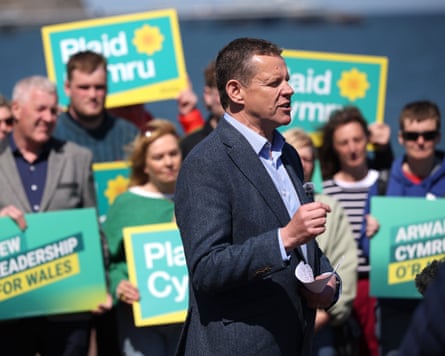
By the end of the week, the UK could have nationalist leaders in all of its devolved administrations: Plaid Cymru is expected to be the largest party in Wales while the SNP is expected to win in Scotland.
Bethan McKernan, the Guardian’s Wales correspondent, says it is the most significant election for the country since devolution in 1999, ending three decades of Labour hegemony.
“A Welsh nationalist victory will put an independence referendum on the horizon,” says Bethan, adding that Plaid will be pushed hard by Reform UK. “Polls have repeatedly suggested Plaid Cymru and Reform UK are neck and neck in the new proportional voting system. Either could be the biggest party, but Reform is highly unlikely to be able to form a government, as other parties have ruled out a coalition with Nigel Farage’s outfit.”
A similar picture is playing out in Scotland, says Libby Brooks, the Guardian’s Scotland correspondent. When Labour won the general election, it looked like the party might dethrone the SNP. But now, polls show the nationalists are heading for a fifth term in office despite repeated scandals and a patchy record in government.
“Will the SNP achieve the majority they argue is a mandate for a second independence referendum, and will Reform beat beleaguered Scottish Labour for second place?” asks Libby. “This is the least predictable Holyrood election in a decade with an unusually high rate of undecideds and everything hangs on turnout from a dispirited electorate.”
Will Reform maintain momentum?
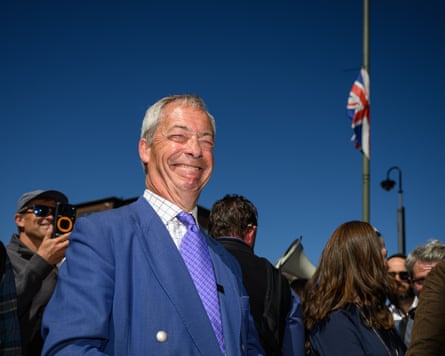
If polling is correct, it could be a triumphant weekend for Reform UK leader Nigel Farage. His party is expected to make major gains across the country, sweeping aside the Conservatives as the main party of the right and eating into Labour heartlands.
“Reform is expected to make sweeping gains in English councils – watch Labour heartlands such as Sunderland and Tory ones like Essex – and vie with Plaid for dominance in the Welsh Senedd,” says political correspondent Ben Quinn, who has been out on the campaign trail with Farage in Essex this week.
The party, which was rebranded from the Brexit party in 2021, has sought to professionalise its operations in recent months after a surge of support, using an app for its activists to target potential voters and collect data. But there are signs that Reform’s support has plateaued in the polls, says Ben.
“It’s a test of whether they can maintain momentum,” he says.
The first major test for Polanski
The Greens have been riding high under new leader Zack Polanski, who has built his campaigning around an eco-populism message since his election in September. As his popularity has risen, so has the scrutiny – and there are signs that support for the Greens is wavering in the polls ahead of Friday’s vote.
Peter Walker, the Guardian’s senior political correspondent, says it is the first major test of Polanski’s message. “It is a big day for the Greens, with predicted net gains approaching 500 councillors. But it’s also worth seeing where these fall, and if Zack Polanski can sell his message outside London or other big cities. If the Greens are, in Polanski’s promise, to supplant Labour, they need to win widely.”
Don’t sleep on the Lib Dems
Do not forget the Lib Dems, who won a record 72 MPs in the 2024 general election. That played a key role in the wipeout of the Tory party that year, and the party could continue to make major inroads in traditional Conservative heartlands on Friday.
“The Liberal Democrats have been largely ignored, but there is an outside chance they could end up as the biggest party in English local government,” says Peter. “What is certain is an eighth consecutive year of gain, possibly in the net hundreds. One test will be whether these span beyond ‘blue wall’ ex-Tory areas and into places where Labour are retreating, for example Birmingham and Preston.”
What else we’ve been reading
-
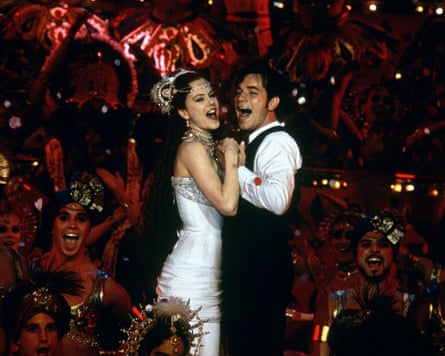
Director Baz Luhrmann, actor Jim Broadbent and more recall filming the record-breaking movie Moulin Rouge 25 years ago in this oral history. Martin
-
Vincent Mundy has taken stunning photos of bomb craters that have been taken over by wildlife. Patrick
-
One of the first gigs I ever went to was Ultravox in the 1980s, and frontman Midge Ure is about to release his first album of new material for 12 years. Sean Hannam interviews him. Martin
-
If you have 15 minutes today, watch this excellent film on the so-called “Muslim vote” and how it is affecting British politics. Patrick
-
A quite astonishing tale from Ramon Antonio Vargas of a Florida baby who was “born twice” after radical life-saving surgery to prevent a potentially fatal condition. Martin
Sport
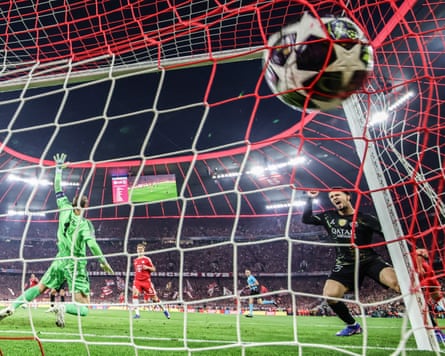
Football| Paris Saint-Germain seals its place in Champions League final despite Harry Kane’s late goal for Bayern Munich, as the holders won 6-5 on aggregate.
Women’s football | Manchester City are Women’s Super League champions for the first time in 10 years after Arsenal were held to a frustrating draw at Brighton.
Cycling | Several cyclists, including riders due to start the Giro d’Italia on Friday, fell ill after a Belgian one-day race, with cow manure on the roads suspected to be the cause.
The front pages
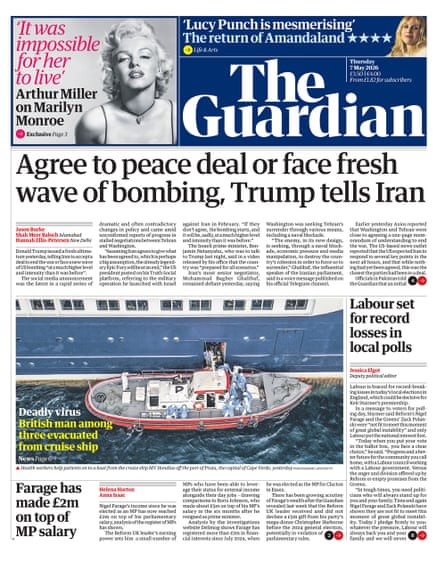
The Guardian splashes with “Agree to peace deal or face fresh wave of bombing, Trump tells Iran”. The Times has “Deal or we’ll bomb you to hell, Trump warns” and the FT leads with “Record US fuel exports yield bonanza for oil groups but pose risk to Trump”.
On the political front, The i Paper says “Starmer set to signal that UK is on a path to softer Brexit”. The Telegraph writes “Unions will tell Starmer to go after poll rout”, while the Independent leads with “Starmer’s plea for votes as Labour braces for disaster”, and the Express says “Taxi for Starmer time, surely”.
In the Sun “Cruise Brits’ rat bug hell” leads, while the Star’s take is “Rat bug victims in UK”. And Metro runs with “Operation SOS. Save Our Summer”.
Today in Focus
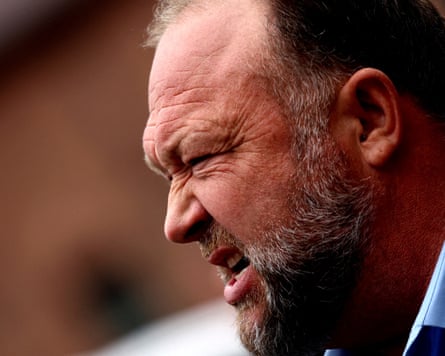
An Infowars insider on the warped world of Alex Jones
As the satirical online newspaper the Onion waits for court approval to take over the conspiracy website Infowars, Helen Pidd speaks to a former staff member about its sinister rise and dramatic fall.
Cartoon of the day | Ben Jennings

The Upside
A bit of good news to remind you that the world’s not all bad

For more than 30 years, opera singer Janine Roebuck hid her worsening deafness while performing at venues including the Royal Opera House. Now 72, she says double cochlear implants have been “the best thing I’ve ever done in my life”. Her bilateral implants “have been utterly life-changing ”, she said. “They reconnect you to the world and, most importantly, people.” Roebuck’s surgery is now helping inspire a nationwide NHS-backed trial into offering two implants to deaf adults.
Ralph Holme, director of research at the RNID, said: “It’s wonderful to hear just how life‑changing this experience has been for Janine, and the impact it’s had on her quality of life.”
Sign up here for a weekly roundup of The Upside, sent to you every Sunday
Bored at work?
And finally, the Guardian’s puzzles are here to keep you entertained throughout the day. Until tomorrow.