Oil sinks further as Trump and Pezeshkian sign deal to end Iran war
Crude prices fell further on Thursday after the US and Iran formally signed a memorandum of understanding aimed at ending the war and reopening the Strait of Hormuz, while equity markets gave a mixed verdict in the wake of the Federal Reserve's latest decision.
Oil fell sharply in early trading after US President Donald Trump and his Iranian counterpart, Masoud Pezeshkian, put their names to an initial accord to halt hostilities, a move expected to restore the flow of crude through the Strait of Hormuz, one of the world's most important shipping arteries.
At the time of writing on Thursday morning, the front-month contract on WTI, the US benchmark, was down by 2.3% to $75 a barrel, while Brent crude, the international gauge, traded 2% lower at around $78 a barrel.
Both remain above the roughly $70 level seen before the conflict, but they have fallen well below the peaks of more than $100 reached only weeks ago.
The deal sets a 60-day window for the two sides to negotiate a final settlement on Iran's nuclear programme, with Tehran agreeing in the interim to dilute its stockpile of highly enriched uranium.
Crucially for energy markets, it lifts US-backed sanctions, allowing Iran to resume selling its oil freely, and clears the way for tankers to move crude out of the Persian Gulf once more.
US President Donald Trump has said the strait will be fully open by Friday and operate without transit charges, a pledge that has encouraged traders to bet on easing supply pressures.
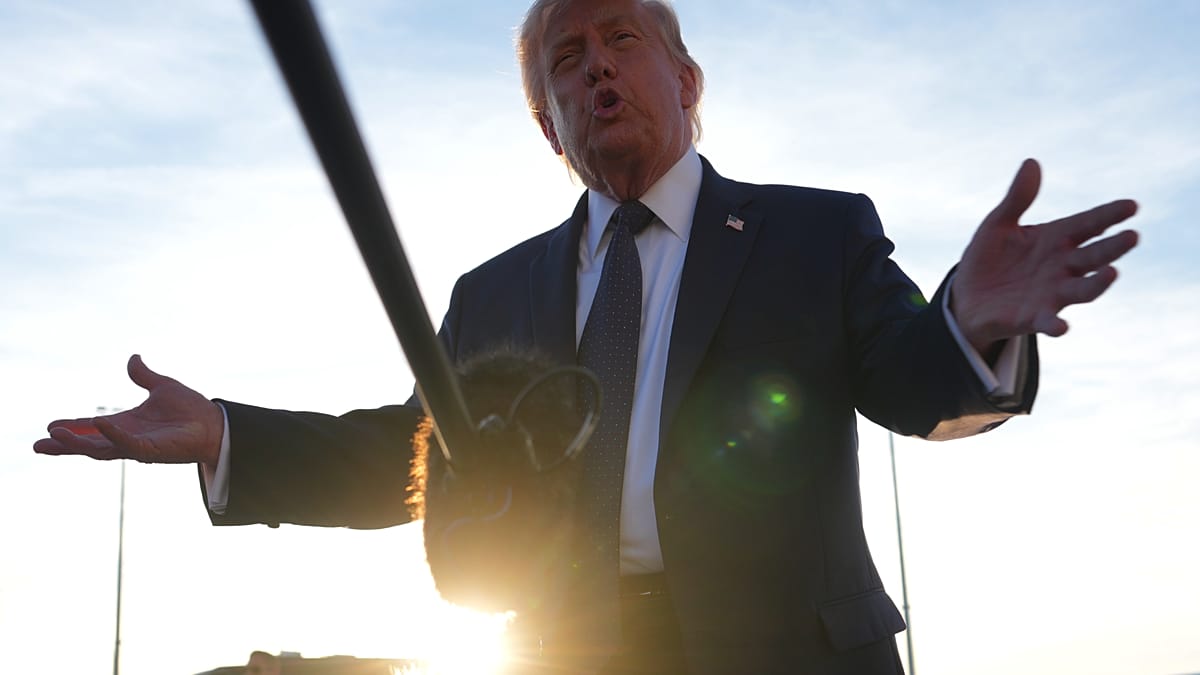
After signing the memorandum of understanding, Trump stated, "oil down, stocks up", with hand motions.
An oil market still running on depleted reserves
The optimism arrives against a strained backdrop.
In its June Oil Market Report, the International Energy Agency said strategic oil reserves across advanced economies had slipped to their lowest level since 1990, with government stockpiles in OECD countries down by 163 million barrels since the conflict began as emergency releases accelerated.
The agency also trimmed its outlook for global demand, which it now expects to contract through 2026 as elevated fuel prices and supply disruptions bite, before recovering next year.
It cautioned that any rebound in supply may be gradual, citing the slow clearance of mines and continued disruption to shipping routes even with the interim deal in place.
Flows through the Strait of Hormuz had already begun to recover, rising from a May low to around 12 million barrels a day in early June.
Stocks mixed after the Fed signals possible hikes
Equities offered a patchier picture following Wednesday's losses on Wall Street, where the S&P 500 fell 1.2% after fresh Fed projections showed nearly half of policymakers expect at least one interest rate hike this year.
The Dow Jones Industrial Average shed 1%, and the Nasdaq Composite slid 1.3%.
In his first press conference as Fed chair, Kevin Warsh declined to forecast where rates would end the year and signalled a rethink of how the central bank communicates, dropping the customary hints about future policy direction from its statement.
US President Donald Trump, who had long pressed Warsh's predecessor to cut rates, was unusually relaxed about the outcome.
"It's all right. Whatever," Trump told reporters in France as he attended the G7 meeting.
Asked about the prospect of a hike, he said it was "hard to believe" but that, with Warsh now in place, he was "guided by what he wants."
US stock futures pointed higher early on Thursday, with contracts on the S&P 500 up 0.9% and on the Nasdaq Composite around 1.4% higher.
In Asia, Tokyo's Nikkei 225 and South Korea's Kospi both jumped 2.3%, helped by hopes for an end to the Iran war and strong demand for technology shares.
European trading was more subdued, with the Euro Stoxx 50 rising 1% but the broader pan-European Stoxx 600 trading flat.
The UK's FTSE 100, Germany's DAX 30, Italy’s FTSE MIB, Spain's IBEX 35, the Netherlands' AEX, and Switzerland's CH20 all traded between 0.4% and 0.8% higher than their Wednesday close.
France's CAC 40 led the pack and jumped roughly 1.3%.