“I wanna try it so bad”: How TikTok shapes what teenagers eat — and the role parents can play
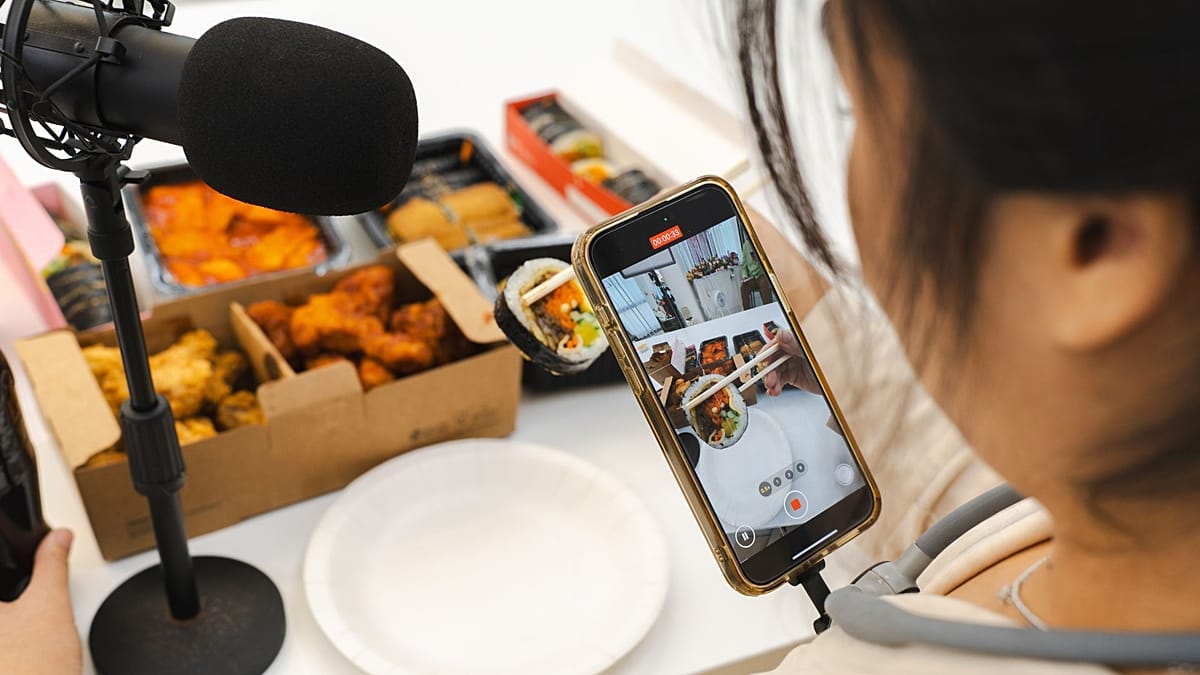
TikTok trends are influencing what teenagers eat, from viral restaurant dishes and fast food to recipes and influencer diets. But new research suggests parents may also have a role in limiting the platform’s influence.
TikTok is becoming a double-edged source of nutrition advice for teenagers: the platform can offer recipes, cooking ideas and healthier alternatives, while also exposing young people to dieting culture, unrealistic body ideals and potentially misleading health claims. That creates a complicated environment for adolescents still developing their relationship with food, health and their bodies.
A recent study of teenagers aged 15 to 16 found that food content on TikTok could trigger cravings, encourage young people to try new foods and, in some cases, influence how they eat in an attempt to emulate influencers.
"Adolescents described TikTok as a highly engaging environment where food content can quickly capture their attention and cue a desire to eat or try something new," said an author of the study, Adrianna N. Bell.
The findings come as policymakers and courts take a closer look at the impact of social media on children and young people.
Currently in the US, Meta is facing a legal challenge over allegations that it deliberately designed Facebook and Instagram to be addictive for young users. In Europe, in the meantime, TikTok was accused of breaching the European Union's online content rules, exposing children to cyberbullying or contact from abusers, while some national governments are moving to impose bans on social media platforms, including TikTok, for children.
The TikTok research adds another dimension to that debate: what happens when social media does not just influence how teenagers feel, but what they want to eat?
“It makes me wanna try it”
The study examined how adolescents perceived TikTok’s influence on their eating and what role their parents played.
The teenagers described a food environment in which trends, adverts, recipes, restaurant reviews and influencer content could quickly turn curiosity into appetite.
Trending food was particularly powerful because it was new — and because everyone else appeared to be trying it.
“The reason why I want to [try the trending food] is because I’m like, ‘why do so many people want to do it, like what’s so good about it?’ so it makes me wanna try it,” one of the teenagers that participated in the research said.
Presentation mattered too. Attractive food, professionally produced videos and positive comments could encourage cravings. Teenagers also said they took comments into account when deciding whether to trust a recommendation.
Influencers were another important part of the equation.
One participant described changing their diet after watching an influencer with a muscular physique:
“So, sometimes I be changing the way I eat. Because I’ve seen some dudes that are so buff and they have a good body you know and I’m like damn and so I click on his account and see what they’d be eating. And then I sometimes change how I eat, like to try to match it. ”
The influencer, therefore, does not necessarily need to be explicitly selling a food product. The message can instead be about a lifestyle — with food presented as part of the route towards a particular body or appearance.
When fast food starts to look normal
The study also highlights the role of TikTok’s algorithm.
Teenagers said their food choices could depend on what appeared on their personalised For You page. Repeated exposure could even affect how they perceived certain foods.
“I see so much fast food that like I don’t see fast food as unhealthy even though it is pretty unhealthy,” another participant said.
That reflects broader concerns about social media food marketing. Research has found that adolescents are frequently exposed to food adverts online and can be more attracted to social media advertising than traditional television advertising.
A recent systematic review and meta-analysis also found that celebrities and influencers promoting foods high in fat, sugar and salt can increase adolescents’ consumption of those foods.
On TikTok, however, advertising can be harder to separate from entertainment.
Food content can be a brand advert, an influencer recommendation, a restaurant review, a viral recipe or a creator simply joining a trend. The commercial message may be embedded within a video that looks like ordinary user-generated content.
And then there are the parents
Perhaps the most striking finding concerns what happens away from the screen.
Most teenagers said their parents played little or no role in their day-to-day TikTok use. But when parents did intervene, “they also described times when parents played an important role by interrupting exposure to food-related content and encouraging critical conversations about that content,” Bell said
Sometimes the intervention was not about TikTok at all. Family meals, spending time with siblings or simply having parents around could interrupt long periods of scrolling and reduce exposure to food-related content.
Other teenagers described a more direct form of parental influence: learning to question what they see online.
One participant said their mother had explained that influencers have different bodies and lifestyles, meaning that copying their diet would not necessarily produce the same results after she followed a diet seen on TikTok.
“… cause TikTok told me at a young age that, “do this [diet] and you’ll be skinny in 22 days” and I followed that the hard way,” a participant said.
That points towards a form of parental involvement that is less about surveillance and more about media literacy.
While the study is small and exploratory, involving 25 teenagers, the message is clear: TikTok is not simply showing teenagers what food looks like. It can shape what looks desirable, popular and normal.
And sometimes, as one teenager put it, that is enough to make them think: “I wanna try it so bad.”