The price of saying 'I do' in Spain: weddings cost €10,000 more in 2026
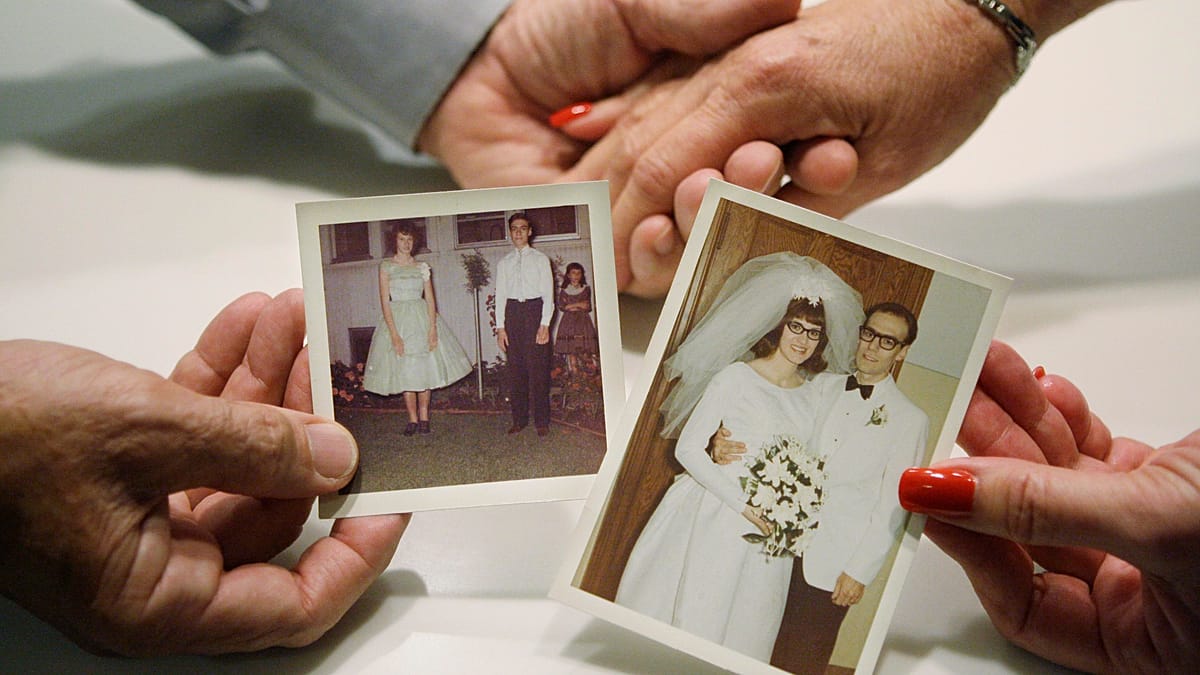
Two recent studies put the average cost of a wedding in Spain at between 25,000 and 32,000 euros. Nearly seven in ten couples spend more than planned, and 95% admit to financial stress. Housing is the major sacrifice that follows.
There is one thing that almost every study on weddings in Spain confirms, even if they do not always agree on the exact figure: getting married is expensive and, almost always, costs more than the couple had planned. What differs is the starting point.
According to the 2026 Wedding Sector Report by ‘Bodas.net’, based on the testimonies of more than 2,000 couples who married in 2025, the average cost of a wedding in Spain stands at 25,183 euros, not including the honeymoon or the engagement ring.
A different study, published by the financial platform Raisin and based on a survey of 1,500 people, pushes that figure up to 32,355 euros. The gap between the two numbers, more than 7,000 euros, is not a mistake; both point in the same direction.
The initial budget rarely survives the planning
Only 41% of couples manage to stick to their initial budget, while 45% end up spending more than they had planned. Raisin’s figures go a little further and raise that percentage to 70%, with 20% of respondents admitting they overshot their budget by more than a fifth of the total.
Almost half of couples allocate 53% of their budget to the venue and catering. The average spend per guest is 225 euros, 6% more than the previous year. The number of guests also varies depending on the source: Raisin points to an average of 108 guests, while the ‘Bodas.net’ report puts it at 123 guests on average, with generational variations: 115 among millennials, 118 for Generation Z and 82 for Generation X.
Covering all that spending takes time and, often, outside help. Eighty-two percent of couples dip into their own savings, but family support is still the norm: more than half receive money from their parents, and almost three in ten also count on cash gifts from guests. Saving for the wedding takes around 25 months on average, although 22% need between three and five years.
The average cost between 2025 and 2026 has gone up by roughly 10,000 euros. According to estimates from industry experts, the minimum cost of getting married in Spain with around one hundred guests is about 24,600 euros, which means setting aside some 900 euros a month for more than two years.
Nine suppliers, with catering dominating the bill
Couples hire an average of nine different services for their wedding. Photography tops the list, present at 90% of celebrations, followed by catering (84%), the wedding dress and accessories (78%), the venue (78%) and music or entertainment (75%). But they do not all carry the same weight in the budget.
Catering is by far the most expensive item, with average spending of around 7,126 euros according to Raisin, and more than one in four couples spending over 10,000 euros on this category alone. The typical breakdown of a wedding budget in Spain puts the reception and venue at 53% of the total, clothing and beauty at around 10%, photography and video at 8%, decoration and flowers at 6%, and music at 5%.
When the money does not stretch far enough, the guest list is the first thing to be cut. More than six in ten couples admit to having adjusted some aspect of the celebration for financial reasons. Cutting the list from 150 to 80 guests can mean saving between 7,000 and 15,000 euros. It is the main lever in the budget.
The hidden cost: stress, arguments and putting off buying a home
There is an impact of weddings that does not appear in any budget. Ninety-five percent of couples say they felt some level of financial stress during the planning, and 65% had some kind of money-related disagreement with their partner in the process. Half admit that the experience made them rethink how they manage their finances as a couple.
The most lasting impact, however, comes afterwards. Almost nine in ten couples say that the wedding has affected at least one of their financial goals. The most frequently cited is buying a home, which 30% of respondents say has been directly affected.
That is not a minor detail. According to data from the Survey of Living Conditions presented at the end of 2025, the economic conditions of those aged between 25 and 35 have been particularly hard hit in recent years by the housing situation. Only 15.2% of young people aged 16 to 29 live independently, the lowest level since these studies began in 2006.
Property portal Fotocasa calculates that the average share of salary spent on rent has risen from 38% in 2019 to 50% in 2025, with figures in Madrid reaching 71% of pay. In that context, spending between 25,000 and 32,000 euros on a celebration, even if it is financed with years of prior saving, is a decision that has very real consequences for many couples’ ability to get on the housing ladder.
What the industry calls ‘the most special day’ can, in practice, delay for several years one of the most important financial milestones in a shared life.