A tiny hard spot was Lucy Davis’ first sign of breast cancer. What else should you check for?
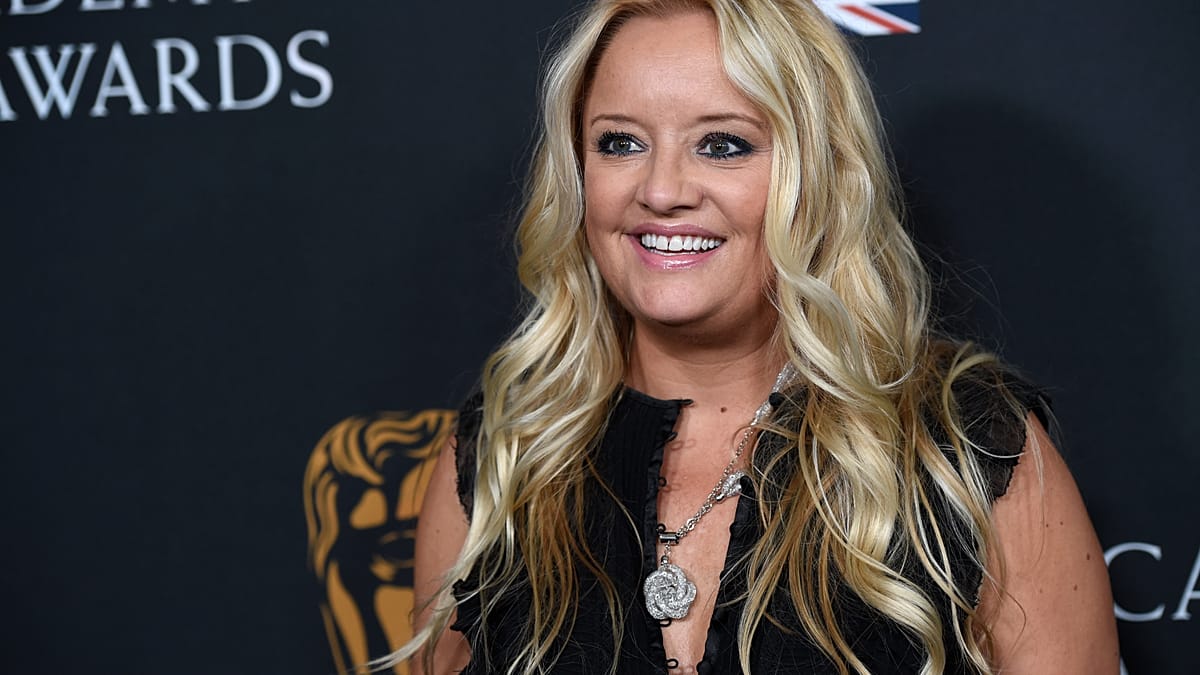
British actor Lucy Davis revealed this week that she has incurable stage 4 breast cancer, saying the first sign was so subtle she almost did not get it checked. The 53-year-old The Office and Shaun of the...
British actor Lucy Davis revealed this week that she has incurable stage 4 breast cancer, saying the first sign was so subtle she almost did not get it checked.
The 53-year-old The Office and Shaun of the Dead actor said what she initially felt was not really a lump, but a “really tiny” hard spot. Her cancer has since spread to her spine, right hip and ribs.
In her Instagram post, she wrote, “The initial lump that I felt, wasn’t a ‘lump’ as such; rather a kind of hard spot. Really tiny. I almost didn’t bother getting it checked. So I guess I’m saying don’t ignore anything - get everything checked out.”
According to the World Health Organization (WHO), an estimated 2.4 million women were diagnosed with breast cancer, and there were 694,000 deaths globally in 2024.
Around 80% of breast cancers occur in women with no specific risk factors other than sex and age, according to the organisation.
Breast cancer can be treated more effectively when detected early. If cancer cells spread from the breast to other parts of the body, the disease can become life-threatening.
The WHO advises people to seek medical care for an abnormal breast lump even if it does not hurt. Detecting cancer after symptoms appear as early as possible can improve the chances of successful treatment.
Possible symptoms include a lump or thickening in the breast, changes in its size, shape or appearance, dimpling or redness of the skin, changes around the nipple, and abnormal or bloody nipple discharge.
How to check your breasts?
Regular self-checks can help people become familiar with what is normal for their breasts and spot any new changes.
According to MammoScreen, an EU-funded breast cancer screening research project, this can start with looking in a mirror for changes in the size or shape of the breasts, skin or nipples.
The breasts, armpits and upper chest can then be checked with two or three fingers for lumps, knots or areas of thickening, using different levels of pressure.
Any new lump, hard area or other unusual change should be checked by a healthcare professional, who can also carry out a clinical breast examination.
However, it is important to note that Self-checks do not replace medical check-ups or routine mammography screening.
When do you need screening?
Even without noticeable changes, screening can detect breast cancer before symptoms appear.
The main screening test is a mammogram, a low-dose X-ray of the breast that can detect cancers before they can be felt.
But screening is a trade-off, not simply a case of the earlier, the better.
Mammograms can produce false positives, leading to additional scans or biopsies for abnormalities that turn out not to be cancer. Repeated mammograms also expose people to small amounts of radiation.
For women aged 40 to 44, the European Commission’s guidelines suggest against routine mammography screening because the potential harms probably outweigh the benefits.
Screening programmes and the ages at which mammograms are offered vary across Europe.
For example, in Sweden, all regions offer free mammography screening to women aged 40 to 74, generally around every 18 to 24 months. In England, the NHS offers routine breast screening from age 50 until a woman’s 71st birthday, with invitations every three years.