Recent 'flesh-eating bacteria' outbreaks: over 100 deaths in two years
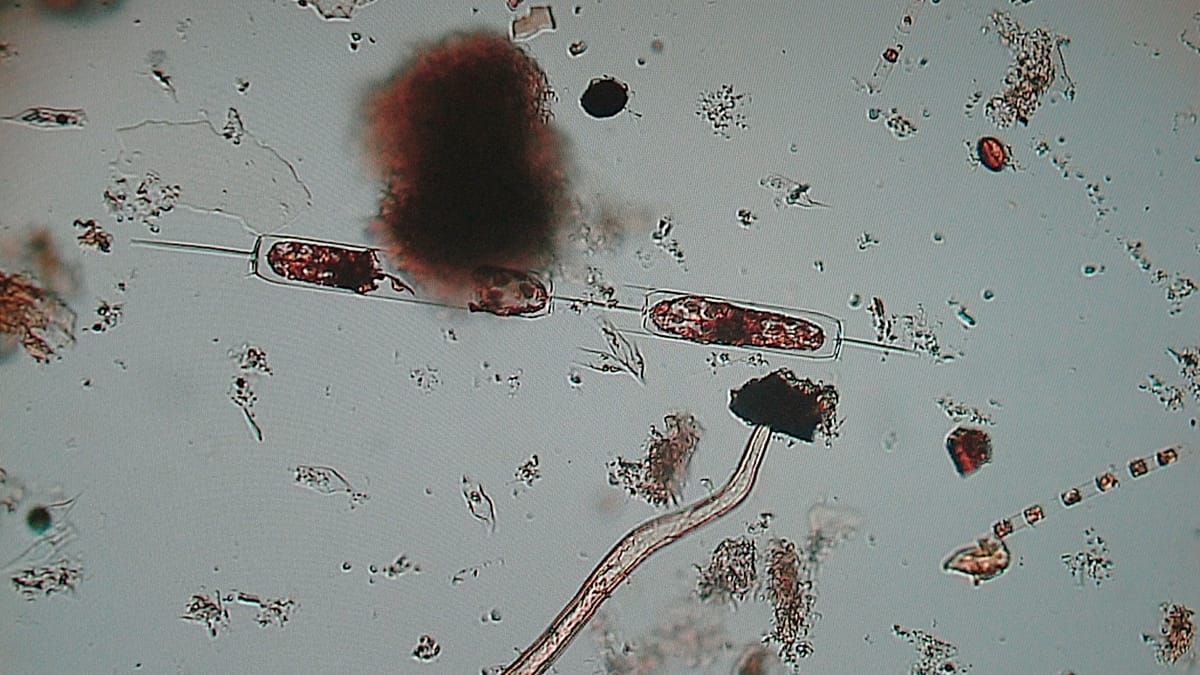
Hundreds have died in recent outbreaks of the so-called 'flesh-eating' bacteria Vibrio vulnificus and Streptococcus A. In 2026, Vibrio spreads across the Mediterranean, driven by warmer seas, after killing quietly for decades.
Calling it 'flesh-eating bacteria' is technically inaccurate, but the nickname captures what it does: destroy tissue so fast that limbs have to be amputated within hours.
The popular term in fact covers several bacterial species capable of causing necrotising fasciitis, the progressive death of muscle and skin tissue. The two most closely monitored today are Vibrio vulnificus, which originates in the sea, and group A Streptococcus pyogenes, which is transmitted from person to person.
Vibrio lives in warm, brackish waters, where rivers flow into the sea, and reaches humans in two ways: when an open wound comes into contact with contaminated water, or through eating raw shellfish, especially oysters.
In otherwise healthy people, infection usually causes only gastrointestinal symptoms. The problem arises in vulnerable groups: patients with liver disease, immunocompromised people, those with diabetes or of advanced age. In them, the bacterium can trigger sepsis and necrosis in a matter of hours. According to the United States Centers for Disease Control and Prevention (CDC), one in five patients with a severe infection dies within a few days.
Streptococcus pyogenes behaves very differently. It is transmitted through respiratory droplets or via wounds in the skin, not through seawater. In its most dangerous form it causes streptococcal toxic shock syndrome (STSS), with a mortality rate of around 30%.
Although it has been known for decades and responds well to antibiotics such as penicillin or amoxicillin, the number of severe cases has risen sharply in recent years. The two bacteria share the same nickname, but their routes of transmission and risk profiles are different.
The most recent outbreaks: from Florida to Japan via the Mediterranean
The recent record of Vibrio vulnificus in the United States is the best documented in the world. Since 1988, the country has recorded more than 2,600 infections and over 700 deaths associated with this bacterium.
The cases are concentrated along the southern coast, especially in Florida and Louisiana, where the climatic conditions are ideal for it to proliferate. In 2024, Hurricane Helene’s passage in September caused coastal flooding that sent infections soaring: Florida reported 82 cases and 19 deaths, record figures according to state authorities. The total number of deaths that year linked to Vibrio in Florida reached 89, according to the state Department of Health.
The year 2025 was no better. By August, Florida had recorded 13 cases and 4 deaths, while Louisiana — where the historical average rarely exceeded one death a year — reported 17 hospitalised cases and another 4 deaths, a 400% increase in fatalities compared with previous years.
The most recent case occurred on 21 July 2025, when a 77-year-old man died in Bay St. Louis, Mississippi, after becoming infected through a scratch on his leg while working with a boat trailer. In total, eight people died from this bacterium in the US in just the first few months of that year.
In Asia, the focus of concern was different. In Japan, cases of streptococcal toxic shock syndrome caused by Streptococcus pyogenes reached 941 in 2023, a record high until then. In 2024 that figure was surpassed in barely six months: Japan’s National Institute of Infectious Diseases confirmed 977 infections before the year’s halfway point, with 77 recorded deaths. The country had registered between 100 and 200 cases a year of this disease since 1992, which makes the recent figures particularly striking.
Europe, for its part, is tackling the problem from the marine side. Between 2014 and 2017, the average annual number of Vibrio infections on the continent stood at 126. In 2018, an especially hot summer tripled that figure to 445 cases, mainly in Baltic countries: Norway, Sweden, Denmark, Finland, Poland and Estonia.
In June 2026, with the start of summer, began a season that the European Centre for Disease Prevention and Control (ECDC) was already classifying as high risk. Spain does not start from scratch: Galicia has recorded three significant outbreaks caused by Vibrio species in the last two decades — 64 people affected in 1999, 80 in 2004 and around one hundred in 2012 — all linked to the consumption of local shellfish.
Heat as an ally: a threat that grows as temperatures rise
The most relevant question is not just how many have died, but why the numbers keep climbing. The answer lies largely in water temperature. Bacteria of the Vibrio genus thrive between 20°C and 35°C in waters with moderate salinity.
Those conditions, once confined to tropical and subtropical coasts, now extend every summer to latitudes that thirty years ago were too cold for this micro-organism. Jan Carlo Semenza, an epidemiologist at Umeå University in Sweden, has documented this direct correlation: the higher the sea surface temperature, the more cases of infection.
The European Environment Agency estimates that sea surface temperatures in Europe have risen between four and seven times faster than the global average for the oceans. The Mediterranean, considered by the scientific community to be one of the regions most vulnerable to global warming, is especially favourable. And not only because of the temperature: the shrinking of bodies of water due to heat concentrates bacterial density in what remains, increasing the risk of exposure.
In July 2024, the European Food Safety Authority (EFSA) published a comprehensive assessment of the risks posed by these bacteria and its conclusion was clear: their prevalence in shellfish is expected to increase, both in Europe and elsewhere in the world, as a consequence of climate change.
This projection includes a geographical expansion of the bacterium into coastal areas where it is currently barely detected. The ECDC, for its part, has developed a surveillance system based on satellite data on sea temperature and salinity that produces real-time risk maps to guide national alerts.
The impact is not only on health. Hatim Aznague, Climate Action and Energy Resilience analyst at the Union for the Mediterranean, sums it up neatly: "The bacteria are not the story; they are the messengers. The story is a sea thrown out of balance by heat and pollution". A beach closed in high season represents immediate economic losses for hotels, restaurants and tour operators.
The Mediterranean is the most visited holiday region in the world, which amplifies the impact of any health alert. Globally, Vibrio infections have increased by more than 84% since the early 2000s, according to consolidated data. If the trend does not change, what is now a seasonal, sporadic risk could become a structural public health problem before 2050.