
EU moves towards 10-year probation period for new members - starting with Montenegro
Published on 19 November 2026 - 16:45 GMT+1 EU countries have taken the first step towards establishing a 10-year probation period for new members, during which newcomers,...
Published on 19 November 2026 - 16:45 GMT+1
EU countries have taken the first step towards establishing a 10-year probation period for new members, during which newcomers, starting with Montenegro, could have their voting rights suspended for serious rule-of-law breaches or obstructing EU decisions.
The European Commission unveiled the proposal last month to avoid a repeat of the experience with Hungary under Viktor Orbán, whose government violated the bloc’s basic values and repeatedly wielded its veto to block decisions requiring unanimity.
The Commission initially proposed a 15-year probation period. However, several countries, notably Italy and other members of the Friends of the Western Balkans group, which champions the region's accession, argued that such a long period could hardly be considered temporary.
Ireland, which chairs talks among member states as holder of the rotating EU Council presidency, proposed shortening the period to 10 years, with a possible five-year extension. The proposal received broad support from EU ambassadors on Wednesday.
According to an EU diplomat with direct knowledge of the discussions, ambassadors showed far greater willingness to compromise than the officials who had spent weeks negotiating the details.
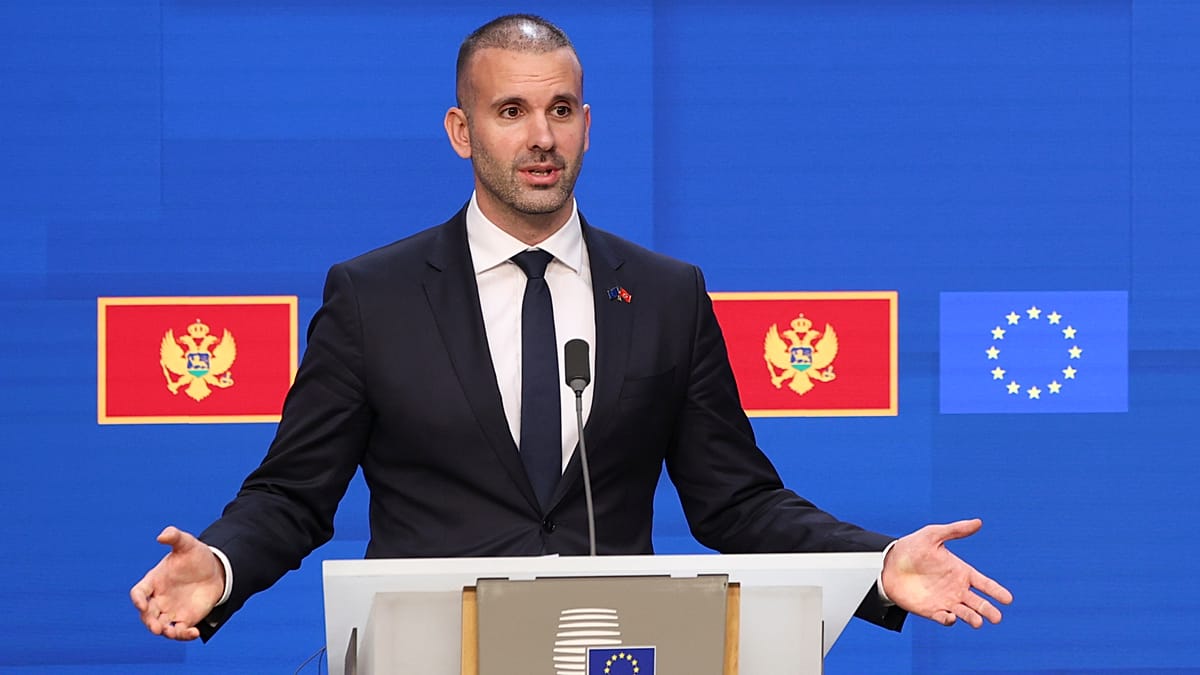
The more contentious question is what would trigger a suspension of voting rights. Montenegro, the country closest to joining the bloc, has warned that any decision must be based on objective criteria and systematic breaches of EU values and rules.
Several member states sympathetic to the candidate countries object to including breaches of “sincere cooperation”, the EU treaty principle requiring members to work together in good faith and refrain from jeopardising the bloc’s objectives. They argue that such breaches are difficult to assess objectively.
These countries also oppose suspending new members’ voting rights altogether, fearing the mechanism could be used to force newcomers to abandon positions close to their national interest, creating a de facto second tier of EU members.
Ireland also proposed changing how the safeguard is triggered, with decisions taken by qualified majority, meaning a majority of countries representing at least 65% of the EU’s population. Here, too, member states did not object strongly.
Discussions will now shift from the general rules for future members to how they would apply to Montenegro. Ireland’s proposal will form the basis of the safeguards in Montenegro’s accession treaty, which the Commission aims to have signed by June 2027.
Officials are expected to hold their first technical discussions on a draft of the relevant section of the treaty, Chapter 35, early next week. Podgorica, which cannot negotiate this part of the treaty, has been lobbying member states in the meantime.
What remains unclear is whether the safeguards will be tailored to Montenegro or establish a precedent for all future EU members.