Hungary’s third-largest lake is disappearing. Can experts save it before it’s too late?
At Lake Velence, around 40 kilometres west of Budapest, metal steps that once led down to the shoreline now just hit sand. The water’s edge is several metres away. According to Pál Árpád Eötvös, mayor of the...
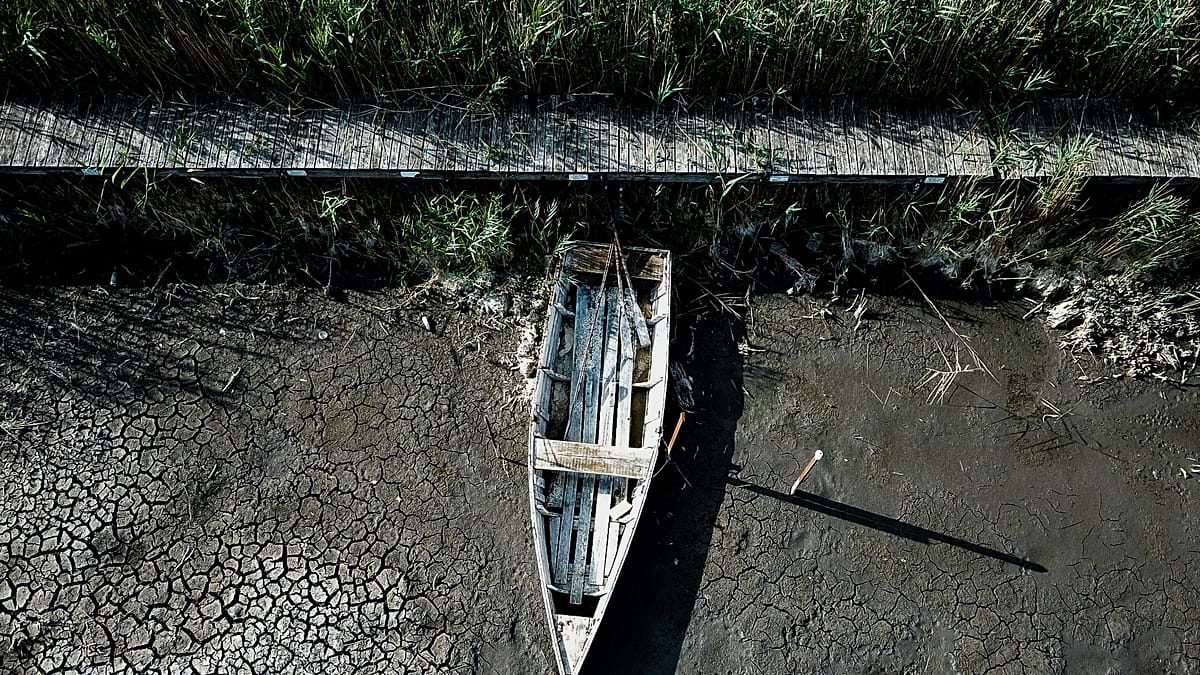
At Lake Velence, around 40 kilometres west of Budapest, metal steps that once led down to the shoreline now just hit sand. The water’s edge is several metres away.
According to Pál Árpád Eötvös, mayor of the town of Gárdony that lies on the shores of the lake, the waterbody was within just 10 centimetres of its lowest recorded level at the end of May.
Experts suggest that this threshold could be reached as early as mid-June, reports local news site Daily News Hungary.
The dire situation has arisen from prolonged droughts, lack of rainfall and decades of water mismanagement – and it’s putting the area’s ecosystem and tourism industry at risk.
Hungary’s third-largest lake is disappearing
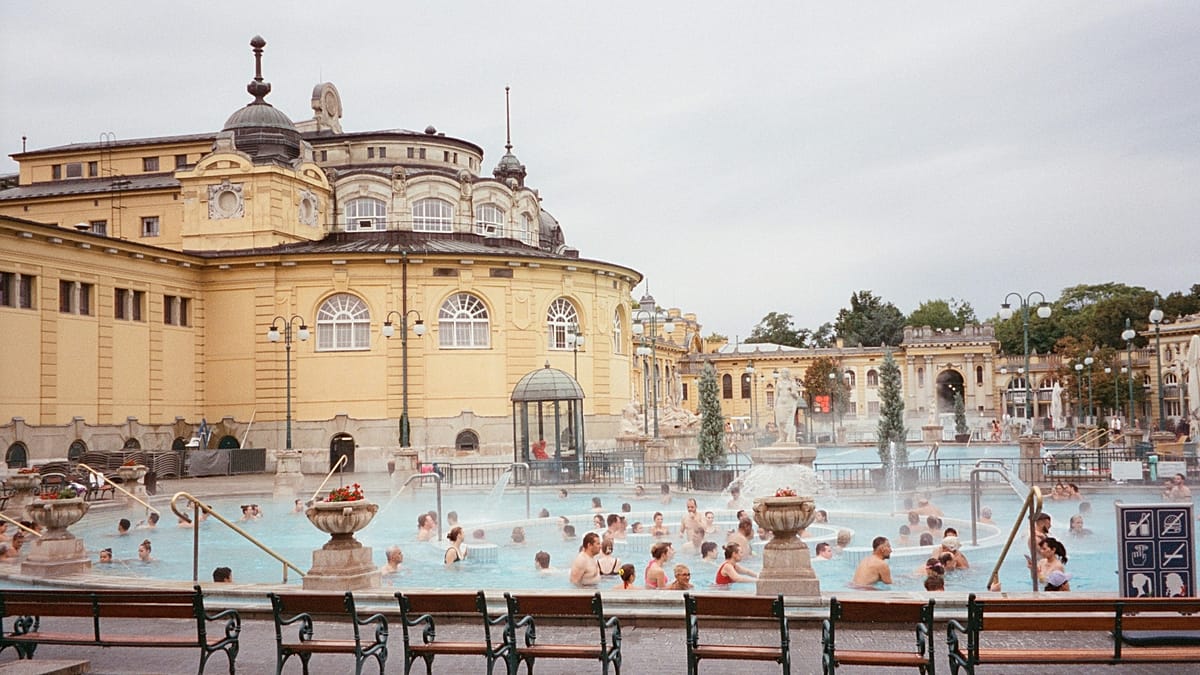
Lake Velence usually welcomes scores of tourists in summer who come for sailing and swimming holidays.
But on 9 June, the lake’s water level measured 56 cm at the town of Agard, according to data from the National Directorate General for Water Management.
That is just 3 cm above a historic low of 53 cm recorded in 2022, when Hungary was struck by an extreme drought.
The hottest months are still to come, and during this period water levels can fall by as much as 20 to 25 cm in a single month, says Daily News Hungary.
Without substantial rainfall, the water level could drop by half a centimetre each day, reaching as low as 30 cm by summer’s end, experts told Reuters.
Climate change is driving the lake’s disappearance, but decades of poor water management such as draining wetlands to be repurposed for agriculture is also to blame, Tibor Horanyi from the Association of Great Lakes said.
While historic records show that Lake Velence has dried up completely in the past, the concern is now how frequent water shortages have become.
Now, the lake’s annual water loss – mostly due to evaporation – is greater than the inflow from precipitation.
Tourism and wildlife at risk
Tourism businesses that offer services like pleasure boating or sailing excursions are already feeling the impact. According to Daily News Hungary, many have not opened at all this season and some boat owners have already relocated to nearby Lake Balaton.
The lake’s wildlife is also suffering, Tóth Sándor, civil engineer and the president of the Fejér County Chamber of Engineers, explained in an article on news site Telex’s G7.
The prolonged water shortage is deteriorating reed beds while waterfowl and fish are finding their habitat shrinking.
Nesting birds and their chicks are also at risk as former breeding islands are turned into dry land.
Shallower water also warms more quickly, accelerating algae bloom growth, which can lead to poorer water quality.
Can the lake’s waters be replenished?
During previous extreme water shortages, Lake Velence has been replenished with other sources. In the early 1990s, for example, water was channelled from the Rákhegy karst aquifer to refill the lake.
But this solution is no longer viable due to increased public drinking water needs and reduced reserves.
Experts are instead urging the renovation of the nearby Zámolyi and Pátkai reservoirs to increase the volume of water collected during rainy periods that can flow into Lake Velence.
Works include removing sediment and restricting activities like fishing that degrade water quality.
Another proposal is to begin recycling the output from the region’s wastewater treatment plants, according to Sándor.
The facilities in Agárd and Csákvár generate 4.3 million cubic metres and 0.3 million cubic metres of treated water per year respectively, which currently leaves the watershed.
Another ambitious suggestion is to transfer water from the Danube river, either through bank-filtered wells or direct surface extraction. However, in both cases substantial new infrastructure would have to be constructed, like pumping stations and tens of kilometres of pipelines.
In the case of extracting raw water, pre-purification would have to take place to ensure hazardous substances or organisms like algae and invasive species are not transferred to Lake Velence.
“Only water replenishment can provide a solution to improve the current state of the lake,” Sándor writes, but “the implementation of the final versions requires a great deal of caution.”
According to Reuters, Environmental Minister Laszlo Gajdos met with local NGOs, mayors and water management experts to address the lake's future last week.