Scientists find new way to fight antibiotic-resistant bacteria
Published on 07/07/2026 - 12:34 GMT+2 An international team of researchers has identified a previously unknown mechanism that allows bacteria to break free from biofilms,...
Published on 07/07/2026 - 12:34 GMT+2
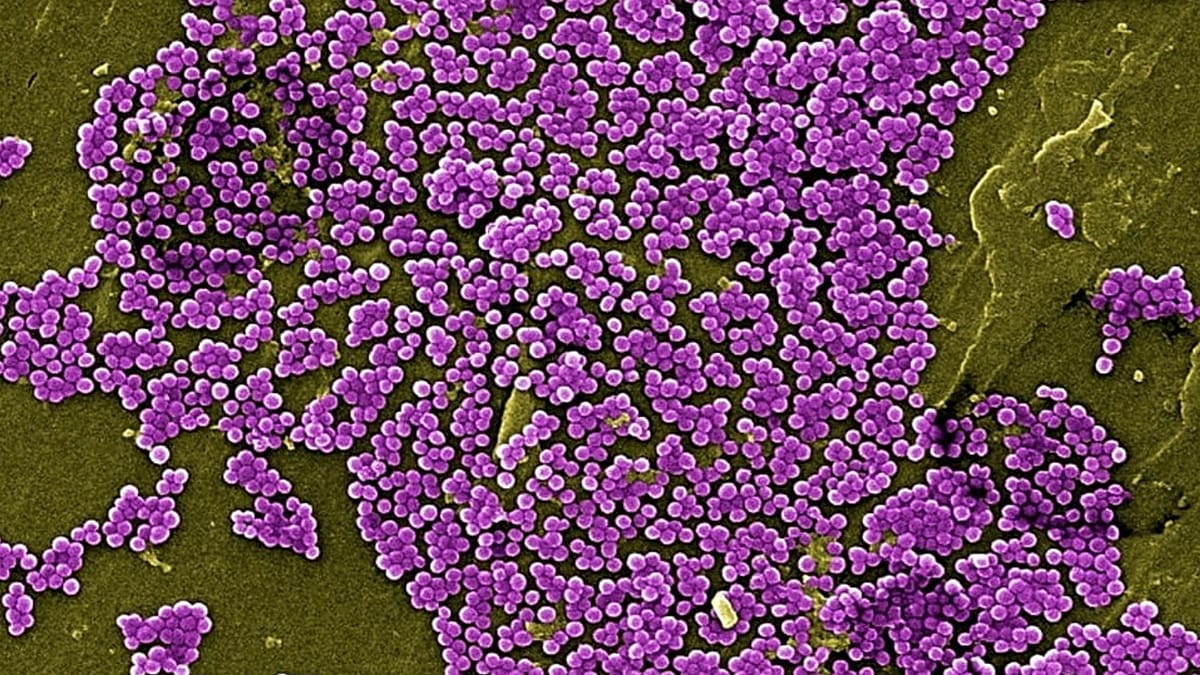
An international team of researchers has identified a previously unknown mechanism that allows bacteria to break free from biofilms, the structures that shelter them from antibiotics and the immune system. The discovery, made in a model bacterium, has also made it possible to trigger the disintegration of these communities in the laboratory without using drugs, an advance that could inspire future strategies to tackle persistent infections.
The study, published in 'Nature Microbiology (source in Spanish)', is led by scientists at the University of California San Diego and involves researchers from Pompeu Fabra University (UPF). The paper describes how certain bacteria produce a hydrogel that, as it absorbs water, builds up enough pressure to expel cells from inside the biofilm.
Biofilms are groups of bacteria that live together and are protected by a kind of sticky layer they themselves produce. This barrier hampers the action of antibiotics and the immune system, and lies behind many persistent infections linked to prostheses, catheters or wounds that fail to heal.
The researchers found that, when the time comes to disperse, the bacteria produce a gel-like substance that absorbs water and generates enough force to push some cells out of the biofilm. In this way, these microorganisms can move on and colonise other sites.
The team also succeeded in manipulating this mechanism. By boosting it, they were able to make biofilms break apart without the need for antibiotics, although the authors warn that, for now, the work has only been carried out in the laboratory and is still a long way from becoming a treatment for patients.