‘Triple whammy of climate chaos’: Why Antarctica's sea ice collapse is no longer a mystery
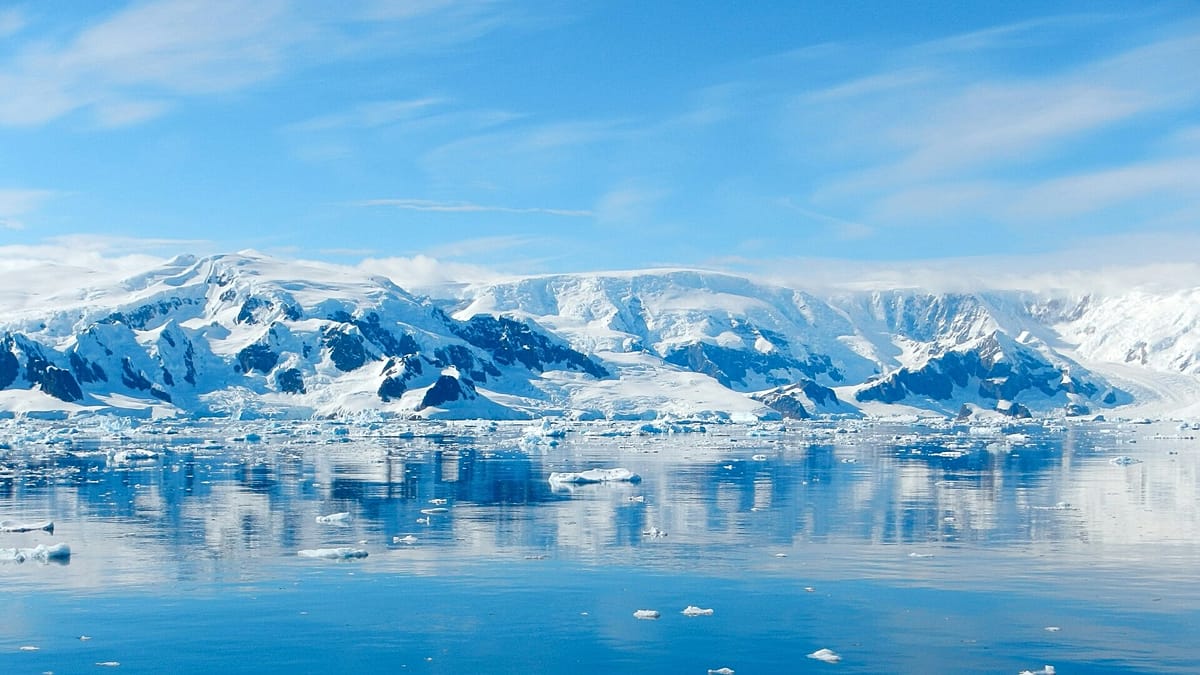
Scientists have finally identified the ‘triple whammy’ behind Antarctica’s dramatic collapse, shedding new light on the chain reaction that has pushed its sea ice to record lows. A new study found that a...
Scientists have finally identified the ‘triple whammy’ behind Antarctica’s dramatic collapse, shedding new light on the chain reaction that has pushed its sea ice to record lows.
A new study found that a combination of deep ocean heat, powerful winds and a self-reinforcing feedback loop destabilised the Southern Ocean surrounding Antarctica after 2015. Those factors have prevented the sea ice from recovering.
Researchers warn that the losses could disrupt ocean currents, accelerate warming and contribute to rising sea levels worldwide.
The study, led by researchers at the University of Southampton and published in the journal Science Advances, found the collapse unfolded in three stages over the past decade.
Lead author Aditya Narayanan says the losses were so extensive they wiped out an area of sea ice nearly the size of Greenland.
“What started as a slow build-up of deep-sea heat under the Antarctic sea ice was followed by a violent mixing of water, ending in a vicious cycle where it’s too warm to let ice recover,” he explains.
What is causing Antarctica’s sea ice loss?
Around 2013, strengthening winds started drawing warm, salty water from the deep ocean – known as circumpolar deep water – closer to the surface beneath Antarctic sea ice.
Soon, powerful winds churned that heat upward, triggering rapid sea ice melting in East Antarctica, the study revealed.
Since 2018, the region has become trapped in a feedback loop. With less sea ice left to melt, the ocean surface remains warmer and saltier. That makes it harder for new ice to form, the scientists say.
The research also found some big differences in how the losses are unfolding across the continent.
In East Antarctica, the decline is largely due to warm water rising from the deep. In West Antarctica, warm air from the subtropics and persistent cloud cover trapped heat near the ocean surface, contributing to major melting events during the summers of 2016 and 2019.
Researchers say that climate change is compounding the effect by strengthening the winds that draw this water closer to the surface beneath the ice.
What happens when Antarctica loses sea ice?
Antarctic sea ice plays a bigger role in the global climate than its remote location suggests.
Its bright white surface helps reflect heat away from the planet, sending as much as 80 per cent of sunlight back into space, according to the Australian Antarctic Program. When it disappears, the darker ocean beneath it absorbs more heat and accelerates warming.
Warmer ocean waters can also erode ice both on land and at sea, increasing the risk of ice shelves collapsing. When that happens, sea levels rise, and rising seas have long been linked to coastal flooding and shoreline erosion.
Scientists estimate that every centimetre of sea level rise exposes around six million people to coastal flooding.
“This isn't just a regional problem,” says study co-author Alessandro Silvano.
The findings add to growing concerns among scientists that parts of Antarctica may be approaching dangerous climate tipping points.
“If the low sea-ice coverage prevails into 2030 and beyond, the ocean may transition from a stabiliser of the world’s climate to a powerful new driver of global warming,” says Alberto Naveira Garabato, a professor of physical oceanography at the University of Southampton.
Humans are affecting Antarctica’s fragile future
From 2002 to 2020, Antarctica lost roughly 149 billion metric tons of ice each year, according to NASA. Yet even as the sea ice melts and Antarctica becomes more unstable, more people are travelling there to see it.
According to the International Association of Antarctica Tour Operators (IAATO), around 122,000 people visited Antarctica in 2024, up from roughly 44,000 in 2017.
Researchers from the University of Tasmania estimate visitor numbers could eclipse 450,000 annually by 2033.
But the boom in last chance tourism is putting extra pressure on an already fragile ecosystem. As visitors climb, so do the risks of contamination, invasive species and disease outbreaks, scientists and environmental groups warn.