France and Italy blame foreign powers for riots – but where's the evidence?
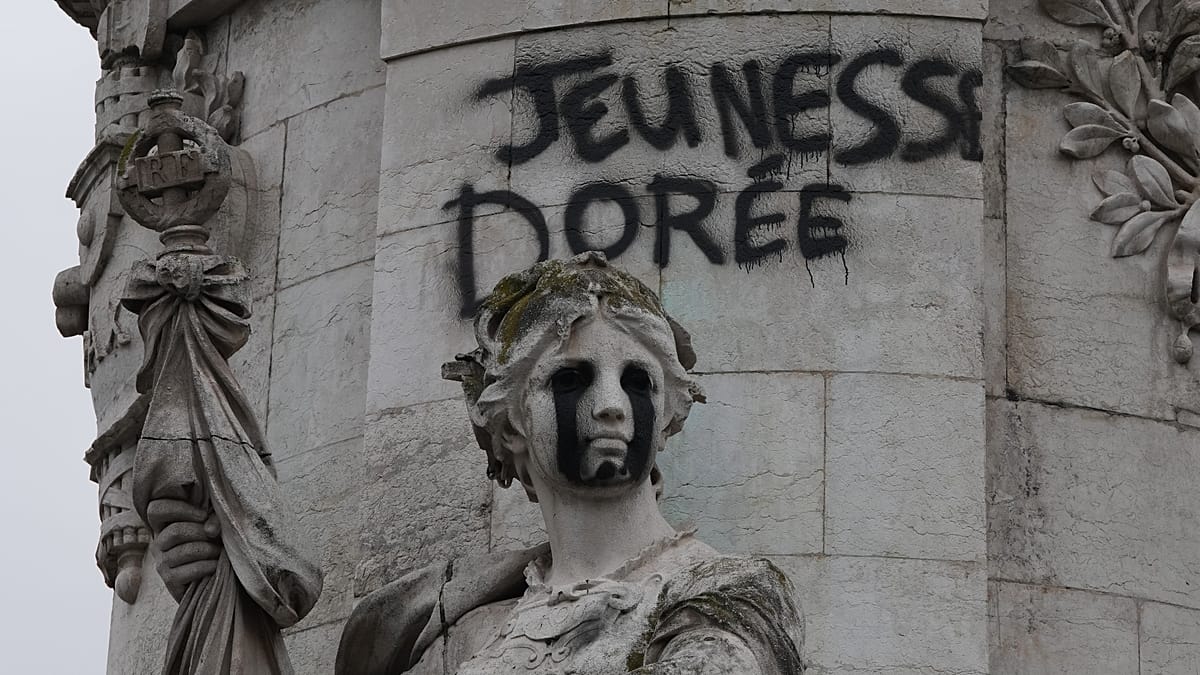
French and Italian ministers blame foreign powers for using social media to fuel riots across Europe. But while Russia-linked networks have exploited the violence, the European Commission still has no evidence that they are driving it.
France and Italy have accused foreign powers of using social media to fuel riots across Europe. However, there is a big problem with these claims: there is no conclusive evidence to back them up.
National governments have pressed the European Commission to act against suspected disinformation campaigns by countries such as Russia. But Brussels has so far resisted calls to intervene, citing a lack of evidence linking foreign manipulation to the protests themselves.
“In recent years, the battleground for democracy has expanded into new areas via social media. Forces seeking to undermine democracy now dominate the information landscape, deploying tactics designed to polarise public debate,” French Foreign Minister Jean-Noël Barrot said at an OECD-hosted conference last week.
“A few days ago, the high school student protests in France were themselves exploited by hostile narratives emanating from Russia, China, Iran, and the MAGA community. We see them, we denounce them, and we respond,” he continued.
Barrot is not alone in pinning the unrest that has gripped cities in France, Italy, Belgium, Portugal and Spain on hostile state actors manipulating social media.
“The events in Milan and elsewhere in Italy are profoundly different from those experienced in other eras and are the result of what I call a ‘hybrid war’ that someone is waging in our nations by resorting to unconventional tools such as TikTok, social media, YouTube,” Italian Defence Minister Guido Crosetto said at a conference on Tuesday.
But the accusations have raised concerns in Brussels that national governments are too quick to blame foreign disinformation for protests rooted in domestic political grievances.
“We don’t have any information or definitively not final confirmation that foreign information manipulation is behind the events in France and elsewhere,” an EU official with direct knowledge of the matter told Euronews on condition of anonymity.
National regulators such as Arcom in France and AGCOM in Italy have an extensive toolbox to tackle potential disinformation operations under the Digital Services Act (DSA). They coordinate closely with the Commission, which last met them on Tuesday.
But while regulators have urged the Commission to launch a formal investigation, the EU executive says there is insufficient evidence to justify one.
The disagreement exposes a gap between the accusations being made publicly by national politicians and the evidence available to authorities.
“It is a situation that is happening at national level, and the Commission is definitely ready to assist and to support the national authorities,” Commission spokesperson Thomas Regnier said. “Let first the French authorities carry out their work. We are ready to assist where we can assist.”
The DSA also allows a crisis response mechanism to be triggered in the event of a serious threat to public security or public health in the EU, which would give the Commission emergency powers over online platforms.
So far, however, there has been no move to activate it.
Meanwhile, law enforcement authorities have asked online platforms for information to identify those involved in the vandalism and looting. In France, looters have tried to sell stolen goods on second-hand marketplace Vinted, and police have asked the platform to help identify the perpetrators.
There is evidence that Russia-linked disinformation networks, including those behind Operation Overload and Doppelgänger, have seized on the violence to amplify their online campaigns.
However, unlike in the Ceuta migration crisis this summer, when there was extensive evidence that thousands of people were mobilised by false information circulated online, the protests in France, Italy and elsewhere appear so far to have been exploited by foreign manipulators rather than driven by them.
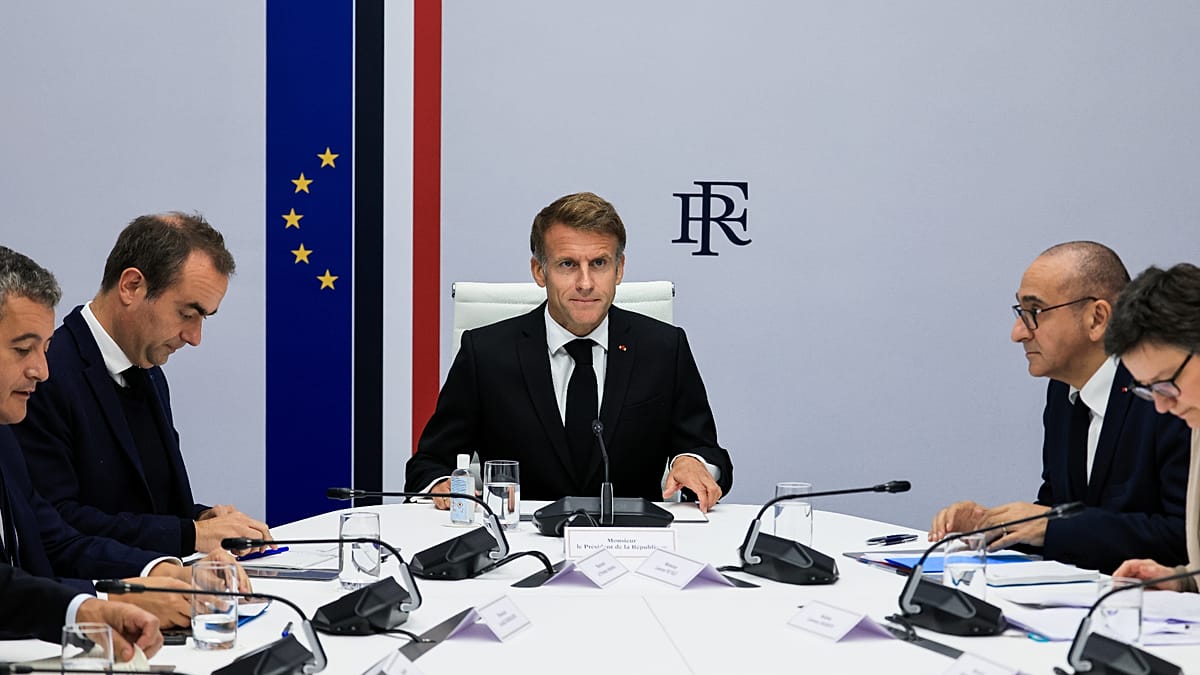
“There is no evidence of foreign interference in the events that took place. However, there has been foreign manipulation of information in the aftermath – that much is true,” French President Emmanuel Macron told the press on the sidelines of his visit to Qatar.