Lower-level technical talks to continue as first round of direct US-Iran negotiations wrap up
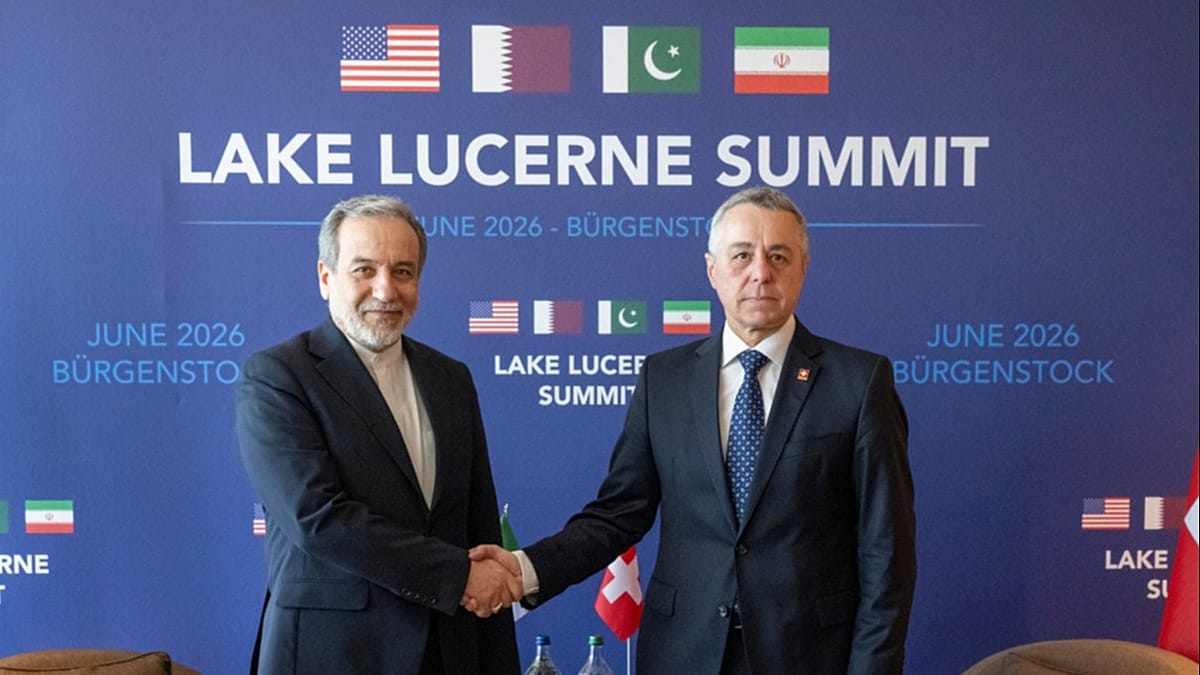
Iran’s top diplomat hailed mediators Pakistan and Qatar’s efforts over what he called “major progress” to end the continued Israeli offensive on Lebanon, despite a fragile truce. The comments came after Iran and the US kickstarted a 6-day negotiating window to permanently end the war.
Published on 22/06/2026 - 5:36 GMT+2
High-level negotiations in Switzerland looking to secure a permanent end to the war in Iran ended early on Monday, with lower-level talks planned for the rest of the week as Iran and the United States agreed to create a “de-confliction cell” to address the fighting in Lebanon.
A statement from mediators Pakistan and Qatar said the cell would include the Lebanese government and would “ensure the adherence of the termination of military operations in Lebanon."
It still remains unclear whether that will be enough to stop fighting between the Iran-backed Hezbollah and Israel, which occupies Lebanon and insists it must maintain a free hand to attack militants who are launching attacks into northern Israel.
The US did not immediately comment on the contents of the initial framework agreement, while Iran praised the meditators' work in what state-run media has described as a “remarkable breakthrough”.
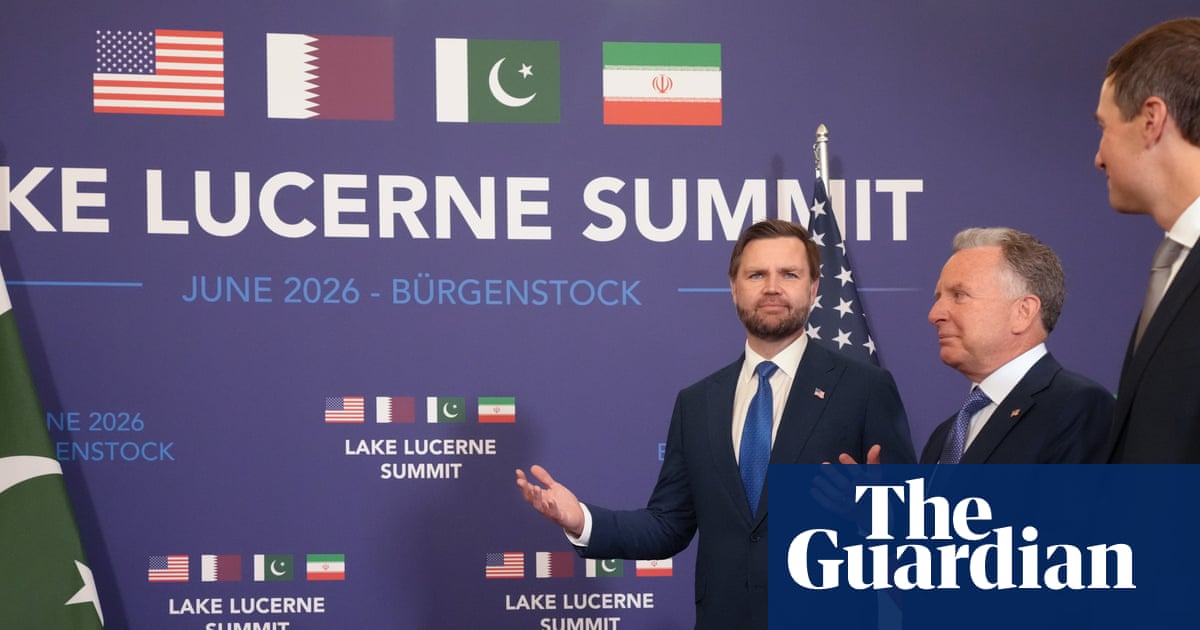
Vance and US negotiators including Steve Witkoff and Jared Kushner, Trump’s son-in-law, had met with Qalibaf and Araghchi for what Iranian state media said was about 80 minutes.
But later, Iranian Foreign Minister Abbas Araghchi wrote on X that “Tireless Pakistani and Qatari mediation has delivered major progress to end Lebanon War.” He said the first “real test” of negotiations would be whether the deconfliction cell succeeded in halting the fighting in Lebanon.
The talks marked the start of a 60-day diplomatic process that seeks to reach a permanent deal to end the US-Israeli offensive on Tehran which started the 28th of February, but has been bound by a fragile truce since 8 April.
The fighting in Lebanon remains one of the key sticking points in the agreement, as Iran moved to link the ongoing hostilities in Lebanon as a major component of any ceasefire deal it secures with the US.
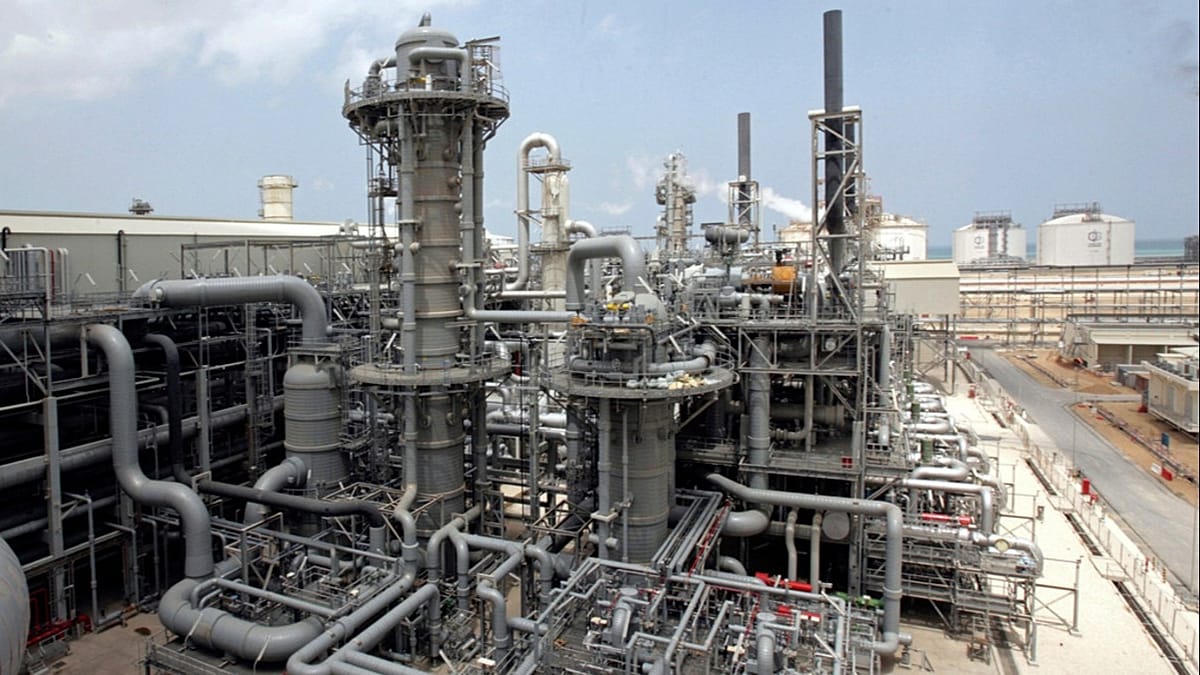
Meanwhile, Iran has again shut the Strait of Hormuz over the weekend, the narrow mouth of the Persian Gulf through which a fifth of the world’s oil typically flows during peacetime, while the US said traffic continued.
The negotiations had a tense start Sunday in Switzerland, when Tehran took offense at US President Donald Trump's threat to attack and his warning that Iran's president should watch what he says.
“Iran must immediately stop their highly paid PROXIES in Lebanon from causing trouble,” Trump said on social media. “If they don’t, we’ll hit Iran very hard again, just like we did last week, only harder!!!”
The comments from afar — on social media and to news outlets — complicated efforts by US Vice President JD Vance and mediators Pakistan and Qatar to keep Iran engaged in discussions.
“They would do better to be careful about their statements," Iran's lead negotiator and parliamentary speaker Mohammad Bagher Ghalibaf, said on X after Trump's comments.
"Our armed forces are prepared to respond to them in a different manner. They may keep talking, it is we who act.”
A senior US diplomat engaged in the talks, speaking on condition of anonymity to describe private discussions, said the talks Sunday included clarifying what Iran meant by recent statements about the Strait of Hormuz.
Negotiators also discussed “mechanisms” to ensure the strait remains open and that a ceasefire in southern Lebanon is enforced, along with “robust” discussions on the nuclear issue.