‘Putting biodiversity in our hands’: Four animals selected to feature on UK banknotes
Historical figures like Winston Churchill will soon be replaced by native wildlife on UK banknotes. In a public consultation run by the Bank of England, the theme of nature came out on top. A panel of experts...
Historical figures like Winston Churchill will soon be replaced by native wildlife on UK banknotes.
In a public consultation run by the Bank of England, the theme of nature came out on top. A panel of experts then selected a shortlist of plants and animals to be put to the vote.
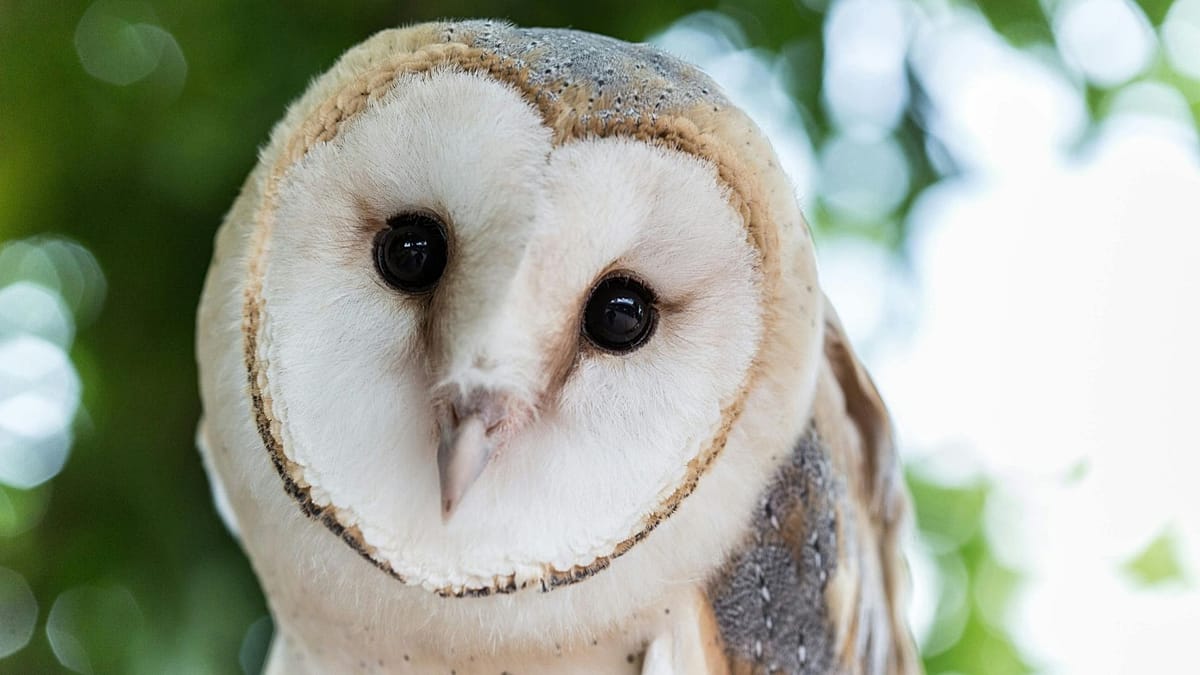
Half a million people had their say, and the results are now in: the Atlantic puffin, barn owl, buff-tailed bumblebee and European hedgehog will represent UK wildlife and feature as the central images on the country's next series of banknotes.
“Nature is more than just scenery, it is the living thread that binds our landscapes, our history, and our future together,” says Scottish wildlife filmmaker Gordon Buchanan, who was part of the expert panel that compiled the shortlist. “To protect nature is to protect the quiet, resilient heartbeat of the land itself.”
Not only could the new notes inspire wildlife conservation, they’re also well positioned to protect the economy.
“The key driver for introducing a new banknote series is always to increase counterfeit resilience,” says Victoria Cleland, chief cashier at the Bank of England.
“Nature is a great choice from a banknote authentication perspective,” she adds, because it lends itself to developing security features that are easy for the public to recognise and distinguish.
Symbolic recognition of UK wildlife ‘overdue and significant’
Nature was the most popular theme among 44,000 respondents in the initial July 2025 consultation, capturing 60 per cent of the vote.
It will replace the current historical figures featured on the reverse side of banknotes, which include writer Jane Austen, artist JMW Turner and scientist Alan Turing, as well as the WWII Prime Minister.
“This is a powerful reminder of how deeply people feel connected to and value British wildlife,” says Ali Fisher, founder and director of sustainability consultancy Plans with Purpose. “It’s a beautiful opportunity to put biodiversity literally in all our hands.”
Architecture and Landmarks was the second most popular at 56 per cent, followed by Notable Historical Figures (38 per cent), Arts, Culture and Sport (30 per cent), Innovation (23 per cent) and Noteworthy Milestones (19 per cent).
“The wildlife of the UK is not separate from our culture. It sits in our football crests, our folklore, our coastlines and our childhoods,” says wildlife presenter and activist Nadeem Perera, another panel member. “Giving it space on something as symbolic as our currency feels both overdue and significant.”
How were animals selected for the new banknotes?
A panel of UK wildlife experts compiled a shortlist of 18 options across three categories: mammals; birds; and amphibians, insects and fish.
In the birds category, voters could choose between the Atlantic puffin, barn owl, common kingfisher, Eurasian curlew, great spotted woodpecker and white-tailed eagle. While the amphibians, insects and fish line up included the Atlantic salmon, basking shark, buff-tailed bumblebee, common frog, emperor dragonfly and marsh fritillary butterfly.
Nearly 500,000 members of the public voted, and the Bank of England used the feedback from the consultation to decide on the four animals, one for each denomination of banknote.
The barn owl (Tyto alba), buff-tailed bumblebee (Bombus terrestris) and European hedgehog (Erinaceus europaeus) were the most popular animals in their respective categories.
As the most popular marine animal, the Atlantic puffin (Fratercula arctica) was included to add variety, making the denominations easier to distinguish, and as an opportunity to "celebrate the British coastline".
Additional imagery on the banknote designs could include other shortlisted animals. They will also continue to include a portrait of the monarch.
'Underdog' animals excluded from banknote shortlist
The RSPA called for Britain's "least-loved" wildlife – such as pigeons, gulls and foxes – to feature on the new banknotes. The charity said this could help change perceptions of "misunderstood" animals and encourage people to see the value of all wildlife.
“What about the pigeons who have been our friends for thousands of years, or rats, with their amazing memories, or even gulls, with their amazing levels of intelligence?," said Geoff Edmond, wildlife expert at the RSPCA. "They are all fascinating wild animals in their own right – and deserve recognition too.”
While pigeons and rats didn't make the final cut, the red fox was an option alongside the pine marten, grey seal, European hedgehog, brown hare and bottlenose dolphin.
"It's great that the Bank of England has pulled together a diverse shortlist... although we would love to see more animal underdogs make the cut," said Dr Ros Clubb, Head of Wild Animals at the RSPCA, following the announcement of the final shortlist.
When will the new UK banknotes enter circulation?
It could be a while before the new nature-based banknotes reach British wallets. The Bank of England explains that they take a number of years to design, test and print, to ensure they are high-quality, resilient and accessible.
The decision on which animal will feature on which denomination is also yet to be made.
It is expected that the first denomination from the next series will be launched over the next few years.
From Norway to Switzerland: Which other European countries champion nature on their notes?
The Bank of England won’t be the first in Europe to give nature a place on its banknotes. Scottish notes already include animals such as mackerel, otters and red squirrels.
Norway’s latest krone series celebrates its long coastline by featuring wave motifs and Atlantic cod and herring.
Switzerland began shifting away from featuring famous personalities on its banknotes in 2016, with wind, water and light among the stars of its ‘many facets of Switzerland’ series. Butterflies, the Alps and dandelion seeds now grace its currency, with a new series set to double-down on native plants and Alpine landscapes in the 2030s.
Nature could also replace architecture on future euro banknotes, with the European Central Bank considering designs featuring birds and rivers across Europe.
Following a contest for EU designers to submit proposals in 2025, the shortlisted themes are ‘Rivers and birds: resilience in diversity’ and ‘European culture: shared cultural spaces’. A final decision is expected to be made in 2026.
“In a cost‑of‑living, climate and nature crisis, small cultural shifts like this matter,” says Fisher. “They help normalise the idea that our natural world is worth celebrating, protecting and investing in.”