Iceland appears to have rejected EU accession talks in referendum, reports say
Iceland appears to have rejected the government’s proposal to hold accession talks with the EU, the public broadcaster RUV has reported, with only a small number of votes left to count.The no camp...
Iceland appears to have rejected the government’s proposal to hold accession talks with the EU, the public broadcaster RUV has reported, with only a small number of votes left to count.
The no camp had 52.5% of votes and the yes camp 47.5%, with only a few ballots left to be counted in one of Iceland’s six voting districts, which was already leaning towards no, online ballot counting on RUV showed on Sunday.
“The nation rejects accession negotiations with the EU,” RUV wrote.
Barring a major last-minute turnaround, the result deals a blow to Brussels, which had been keen to welcome a wealthy new member and appeared willing to compromise with Iceland on thorny issues to facilitate its accession.
The government in Reykjavik had framed its membership plan as a “now or never” moment, and the prime minister, Kristrún Frostadóttir, told voters in August that a no would put all EU speculation aside.
On Sunday, she told RUV she hoped the vote would not leave the nation divided.
Kristrún, who spoke at public meetings around the country in the final weeks in support of yes, said: “I don’t experience this as hurt. I know some people have been in a state of shock, but now I’ve sat with a large group of people across the country and people are completely open to different outcomes.”
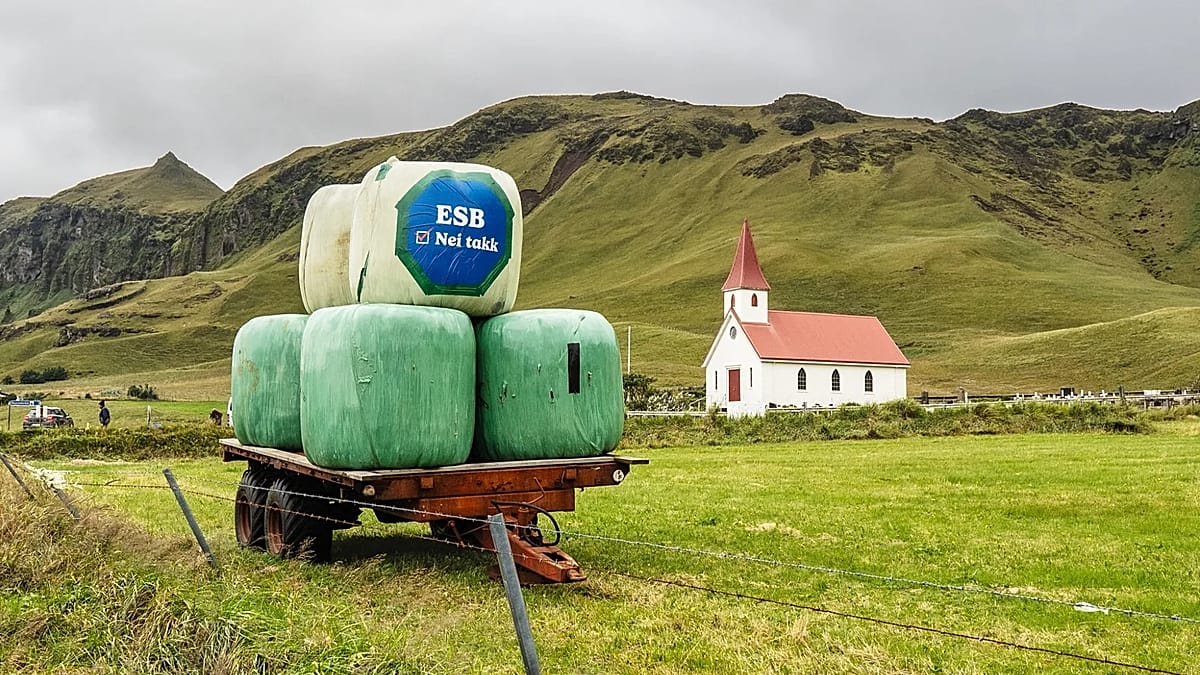
She acknowledged that many people in Iceland - particularly from rural areas - had concerns about the impact on agriculture, fisheries and natural resources of joining the EU.
“I promise that we will handle these issues well and keep these concerns in mind,” she said.
Yes campaigners said joining the bloc could ease high interest rates and offer more security in a world unsettled by war in Ukraine and the US president, Donald Trump’s rhetoric about annexing another Arctic island, Greenland.
But campaigners for no said EU membership would threaten the island’s sovereignty and fishing waters.
Iceland first applied to join the EU in 2009 when a financial crisis hit the country’s small, exposed economy. A Eurosceptic government ended talks in 2013.
Geopolitical turmoil including war in the Middle East and US import tariffs has brought urgency to an issue Icelanders have debated on and off for decades.
-
Reuters and Agence France-Presse contributed to this story.