OECD lifts 2026 global economic growth forecast to 2.9% despite Iran war disruption
The OECD has nudged up its forecast for global growth this year to 2.9%, saying the world economy has absorbed the energy shock from the Iran war better than expected, but it warned that persistent inflation, rising bond yields and the risk of a longer conflict continue to cloud the outlook.
Published on 23/09/2026 - 15:07 GMT+2
The global economy is proving sturdier than feared.
In its interim outlook published on Wednesday, the OECD raised its 2026 growth projection by 0.1 percentage point from June, concluding that the world economy "has weathered the energy supply shock triggered by the conflict in the Middle East better than expected."
That still marks a clear slowdown from the 3.4% growth recorded last year, and the OECD also trimmed its forecast for 2027 by 0.1 percentage point to 3%.
The upgrades were broad.
The US is now expected to grow 2.2% this year and the eurozone 1%, both up 0.2 percentage points, while Japan's forecast rose by the same margin to 0.8%. China's projection was left unchanged at 4.5%, and the G20 as a whole is expected to expand 3.1%.
Within the eurozone, the OECD expects Spain to grow by 2.6% in 2026 and 1.8% in 2027, ahead of the other countries covered in its September update. Germany is forecast to grow by 1.1% in both years, Italy by 0.9% and 0.6%, and France by 0.4% and 0.7%, respectively. The eurozone as a whole is expected to grow by 1% in each year.
Energy prices have soared since the US and Israel launched strikes on Iran in February, but several factors softened the blow.
The OECD pointed to sizeable oil inventories, extra supply from producers outside the Gulf and discretionary government support measures, while broader financial conditions, including rising stock markets and continued access to credit, have remained supportive.
Heavy investment in AI has also bolstered production and trade, and the organisation said it could yet deliver stronger growth than projected.
The risks ahead
The relief comes with caveats.
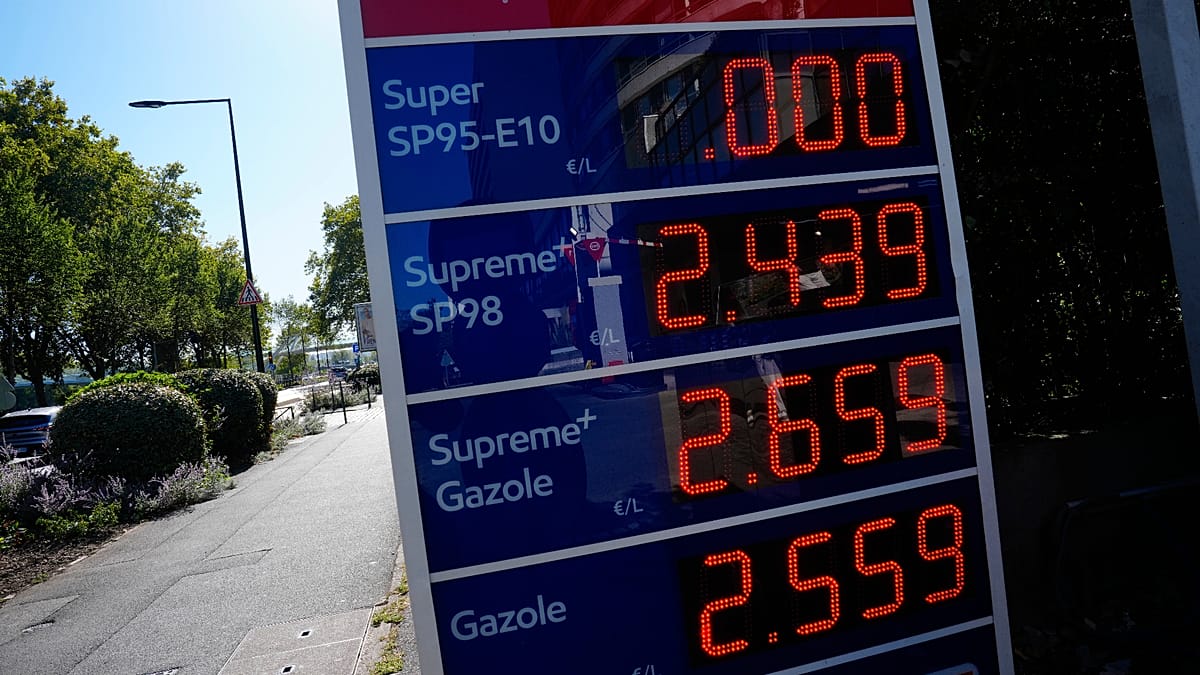
Central banks have begun raising interest rates to contain inflation driven by high oil and gas prices, which have pushed diesel and other fuel costs to multi-year highs. Headline inflation in G20 countries is projected at 4.1% this year, while the OECD expects it to reach 3% in the eurozone.
Meanwhile, government bond yields in EU countries including Germany and France have climbed to multi-year highs, raising borrowing costs for countries already carrying heavy debts and deficits.
In Europe, these higher borrowing costs, alongside targeted, temporary energy support, are putting further strain on public finances.
Looking beyond Europe, the OECD warned that, "Rising bond yields underline more than ever the need for enhanced efforts to contain and reallocate government spending, improve public-sector efficiency and strengthen revenues to ensure longer-term debt sustainability and maintain the ability of governments to react to significant shocks."
It also flagged a prolonged war, weather-related supply shocks from a very strong El Niño hitting harvests and food prices, and AI investment returns that could disappoint as the key risks that could weaken growth.