EU weighs limited fiscal flexibility on energy after Meloni push
Published on 22/05/2026 - 13:58 GMT+2 The European Union is considering the use of “existing flexibilities” within its fiscal framework as part of its response to the...
Published on 22/05/2026 - 13:58 GMT+2
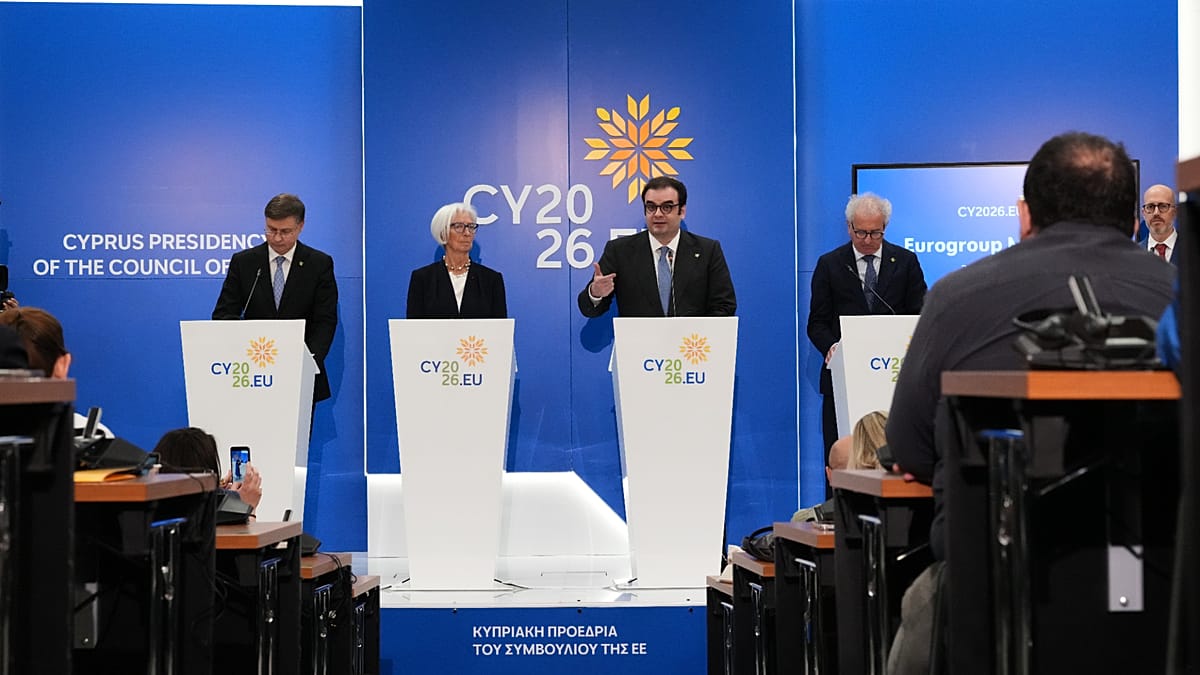
The European Union is considering the use of “existing flexibilities” within its fiscal framework as part of its response to the energy crisis, European Commissioner for Economy Valdis Dombrovskis told journalists on Friday following a euro area finance ministers’ meeting in Cyprus.
“We are currently looking at the policies, including fiscal policy options, to best address the crisis, including the use of existing flexibilities within our framework,” Dombrovskis said during a press conference.
On Monday, Italian Prime Minister Giorgia Meloni wrote to European Commission President Ursula von der Leyen, calling for greater budgetary flexibility to help manage rising energy costs.
The issue was raised again during Friday’s Eurogroup meeting by Italy’s Economy and Finance Minister Giancarlo Giorgetti. While the proposal did not prompt an extended discussion, several ministers made direct reference to Italy’s request, an EU official told Euronews.
However, not all ministers spoke or addressed fiscal flexibility, suggesting there is no clear consensus and a range of differing views, the official added.
Eurogroup President Kyriakos Pierrakakis said during the press conference that the exchange reflected these differing positions, indicating that unified support for the proposal is currently lacking.
Fiscal flexibility, with caution
Despite signalling openness to fiscal flexibility, Dombrovskis stressed that any measures must preserve fiscal sustainability.
European Central Bank President Christine Lagarde also took part in discussions on the fiscal response to the energy price shock, reiterating a similar position.
“I underlined that fiscal measures should comply with what I call the triple T principle: temporary, targeted and tailored. Any deviation from these principles would be counterproductive and could lead to a different monetary policy stance,” Lagarde said during a press conference.
The European Union is also examining options to address the broader economic impact of the war in the Middle East, including rising energy prices and their consequences for households and industry.
In its economic forecasts published on Thursday, the European Commission projected average growth of 0.9% in 2026 and 1.2% in 2027, marking a weaker outlook compared with previous projections.
“Inflation is facing renewed pressures, although we are not experiencing the extreme conditions seen in 2022,” Pierrakakis said.
Rising energy prices in Europe are also prompting some governments to reconsider energy sourcing, including the potential use of Russian gas despite the ongoing war in Ukraine.
On Tuesday, the UK government published an open-ended licence allowing imports of diesel and jet fuel made from Russian crude oil refined in third countries such as Turkey and India, where oil is purchased at discounted prices.
Hungarian Prime Minister-elect Péter Magyar said at his first press conference after winning the 12 April election that the country will continue to purchase Russian energy and prioritise the cheapest available oil, a stance that appears to contrast with earlier campaign pledges to phase out Russian energy imports by 2035.
In an interview with Euronews, Dombrovskis said the EU will not weaken its sanctions regime in order to secure cheaper oil or gas supplies.