France: drones become new way to smuggle goods into prisons
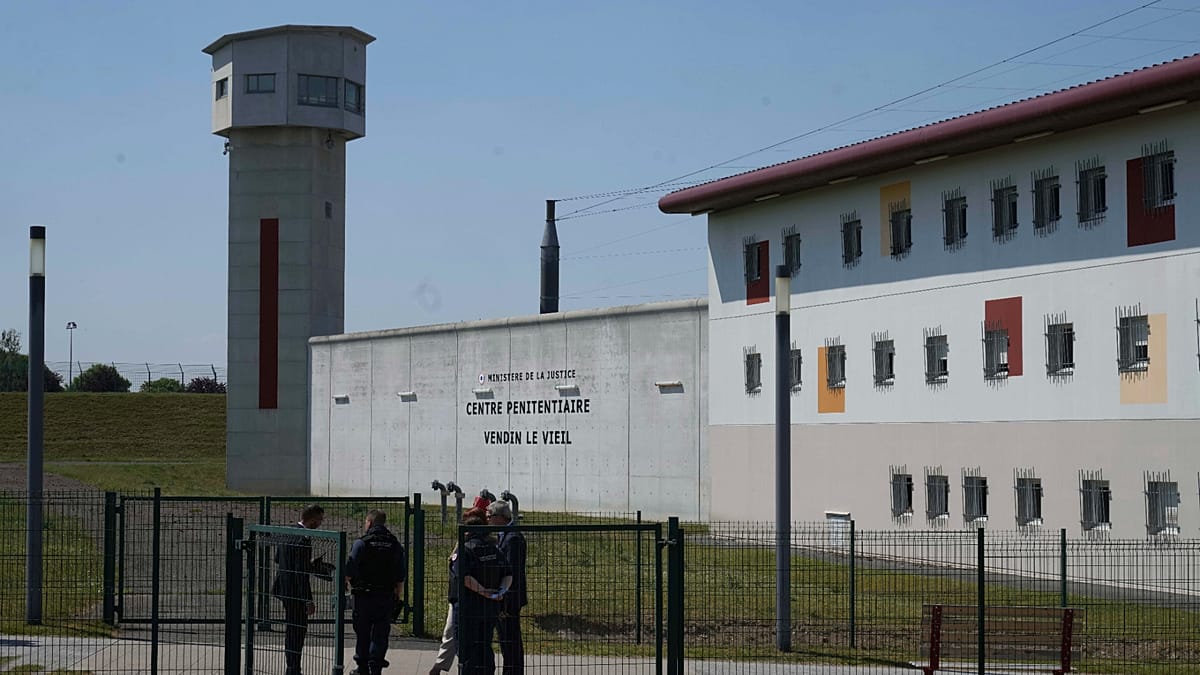
Published on 18/08/2026 - 17:36 GMT+2 Drugs, mobile phones, alcohol… In France, drones are increasingly being used to smuggle banned products into prisons. Cases have...
Published on 18/08/2026 - 17:36 GMT+2
Drugs, mobile phones, alcohol… In France, drones are increasingly being used to smuggle banned products into prisons.
Cases have multiplied in recent months, pointing to the growing professionalisation of these airborne deliveries.
In Villefranche-sur-Saône, more than 1,800 drops in two months
The remand prison in Villefranche-sur-Saône, in the Rhône department, regularly has to deal with the problem.
At the beginning of August, the authorities uncovered a trafficking operation on an unprecedented scale involving the use of drones to supply inmates with drugs.
Initially, investigators logged 880 drone drops in just 25 days and identified two take-off zones located right next to the prison.
A large-scale operation carried out on 4 August then led to the arrest of five people, three of them caught in the act. Gendarmes seized 500 grams of cannabis, ten cartons of cigarettes, 6,000 euros in cash, a vehicle and the drone used to carry out the deliveries.
Analysis of the digital data recorded by the device revealed an even more extensive activity: 1,826 drops are thought to have been made in just under two months, bringing more than 30 kilos of drugs into the prison.
The investigation also exposed a particularly structured organisation. Each suspect had a specific role, from taking orders to logistics and parcel delivery.
Similar cases had already been recorded in previous years, with consignments containing cocaine, heroin, cannabis, mobile phones and SIM cards.
In Strasbourg, drones disrupt rescue helicopters
In Strasbourg, the phenomenon now has consequences that go far beyond the prison walls.
For several weeks, drones have been preventing helicopters carrying injured people or patients from landing at night on the helipad at Hautepierre hospital.
Some of these devices are reportedly being used to make clandestine deliveries to inmates at the Strasbourg-Elsau remand prison.
Because of the risk of collision, medical helicopters can no longer use the hospital helipad at night and have to land on another platform before patients are transferred by ambulance.
Prisons step up their anti-drone defences
Given the scale of the phenomenon, the prison administration is trying to strengthen its response.
The facilities most exposed are gradually being fitted with systems capable of detecting and neutralising drones.
By February 2026, 62 anti-drone systems had been installed and were operational in French prisons, out of 78 ordered by the Ministry of Justice. The remaining 16 systems will be deployed by the end of 2026.