Germany records nearly 100 drowning deaths, many of them young men, in June heatwave
Nearly 100 people, the largest proportion of whom were young men, died by drowning in Germany last month, authorities have said, as extreme temperatures in western Europe that have been blamed for hundreds of...
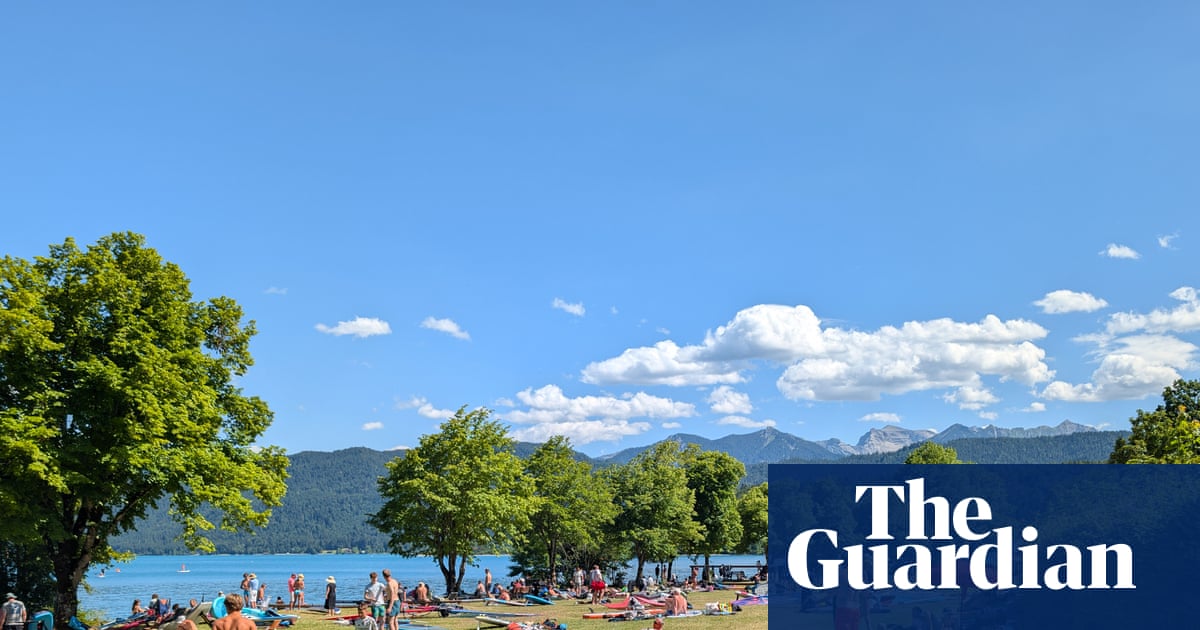
Nearly 100 people, the largest proportion of whom were young men, died by drowning in Germany last month, authorities have said, as extreme temperatures in western Europe that have been blamed for hundreds of excess deaths geared up again.
In Germany’s worst death toll from drowning for more than two decades, 99 people died in June, according to official figures, after temperatures rose as high as 41.7C (107.1F) in some areas.
The victims were largely young men, the federation said, with 40 of them under 30 years old – the biggest group among those whose ages were known. More than 90% were male.
Germany’s lifeguarding federation said in a statement that the country “had not registered this many drownings since the heatwave of June 2003, when 107 people died”.
More than 1,300 people across Europe died in the blazing start to the summer, according to the World Health Organization. Deaths by drowning have risen across the continent, with France’s sports minister, Marina Ferrari, saying on Friday it was the cause of death of 131 people there since 19 June.
Last week, Germany’s main public health institute reported that the country had recorded at least 5,120 heat-related deaths this year, most of them in June. The Robert Koch Institute said about 4,270 were people aged 75 and older.
Human-caused climate breakdown is supercharging extreme weather across the world, driving more frequent and more deadly disasters such as heatwaves and wildfires.
In France this weekend, the Eiffel Tower and other Paris landmarks announced early closures as a quarter of the country sweltered under the third heatwave to hit the country since May.
Twenty-four of the country’s departments, home to 22.2 million people, according to a calculation by Agence France-Presse, were under the maximum alert level issued on Sunday by the national weather service, Météo-France.
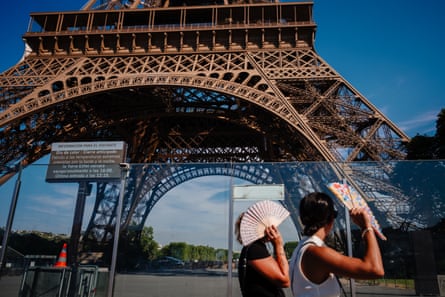
The operator of the Eiffel Tower said the monument would close early on Saturday and Sunday at 4pm, “due to the high temperatures forecast”. The 330-metre-high (1,083ft) structure, which attracts 7 million tourists a year, usually stays open past midnight during the high season.
Two of the French capital’s most popular museums, the Louvre and the Musée d’Orsay, have taken similar measures.
The Louvre, the most visited museum in the world, said on Thursday it would close at 4pm on Friday until Monday, while the Musée d’Orsay announced it would close early “due to the extreme heat”, from 5pm on Saturday until Wednesday.
The organisers of the Tour de France cycling race also said Sunday’s 185.5-km (115 miles) stage would be shortened by 30km, cutting out a hilly loop, because of the intense heat – the first time in its history that such a decision has been taken.
after newsletter promotion
The Belgian cyclist Tim Merlier, who won Saturday’s stage, welcomed the news. “We are now one week of racing; it was always above 35C degrees,” he said. “It’s definitely a fight to have water, ice and drinks between the [support] cars.”
Across the country, many towns have called off their firework displays for the Bastille Day national public holiday on 14 July because of the increased risk of fires amid the dry conditions.
The French president, Emmanuel Macron, called for vigilance, warning that nine out of 10 fires were due to human activity. “A single second of inattention can put families at risk, endanger those who protect us and destroy our countryside,” he wrote on X.
France recorded more than 2,000 excess deaths during the June heatwave, and 300 during the high temperatures in late May, according to official figures.
The government has faced a barrage of criticism, including accusations of being “unprepared” for the extreme weather.
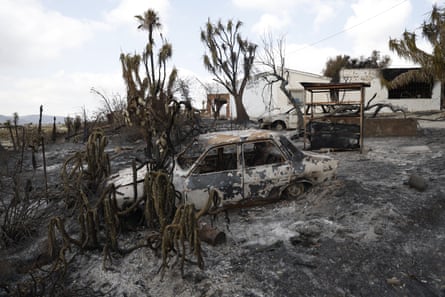
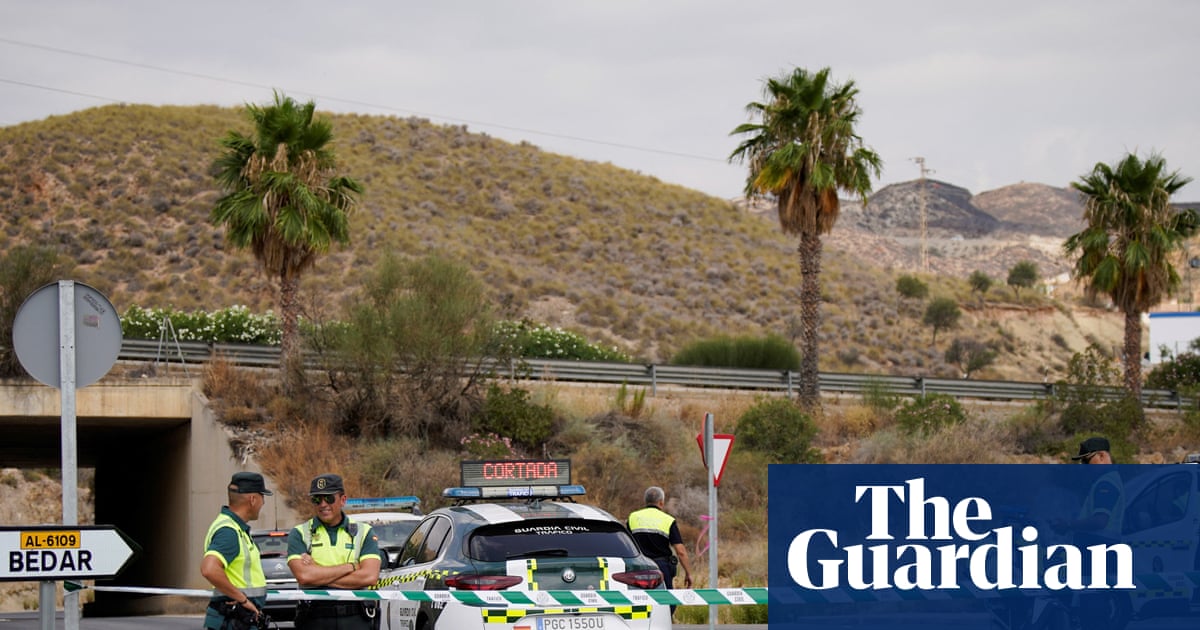
In Spain, a wildfire that killed at least 12 people as they tried to flee in the south has been contained, allowing about 1,500 evacuees to return home, officials said.
“The fire has been contained within its perimeter and brought under control, with no danger of flames spreading,” said the head of the regional government of Andalucía, Juan Manuel Moreno. “This is, so to speak, the beginning of the end of a terrifying wildfire that has set records for how quickly it spread.”
Moreno said about 600 people evacuated from the fire zone in Spain’s Almería province had been allowed to return home late on Saturday, while the remaining 1,000 evacuees would now be able to do the same in stages.
Spain’s prime minister, Pedro Sánchez, is scheduled to visit the devastated area on Monday.
Officials have said many of the victims could be foreign nationals, including a number of Britons.
The son of a Belgian man who died in Spanish wildfires disputed authorities’ claims that his father and other victims ignored official advice to shelter in place, saying the emergency services gave them no guidance.
The Belgian virologist Thomas-Wolf Verdonckt told Reuters that he spoke to his father, the 63-year-old businessman Stanislas Verdonckt, by phone just before 9pm on Thursday as the fire advanced on the mountain village of Bédar in Almería.
“The people who died did not fail to follow any orders because no orders were given. No information was provided,” Verdonckt said. “They only started to run when the flames were almost upon them. That was their absolute last resort.”
Agence France-Presse and Reuters contributed to this report