How to avoid tick bites and diseases they spread this summer
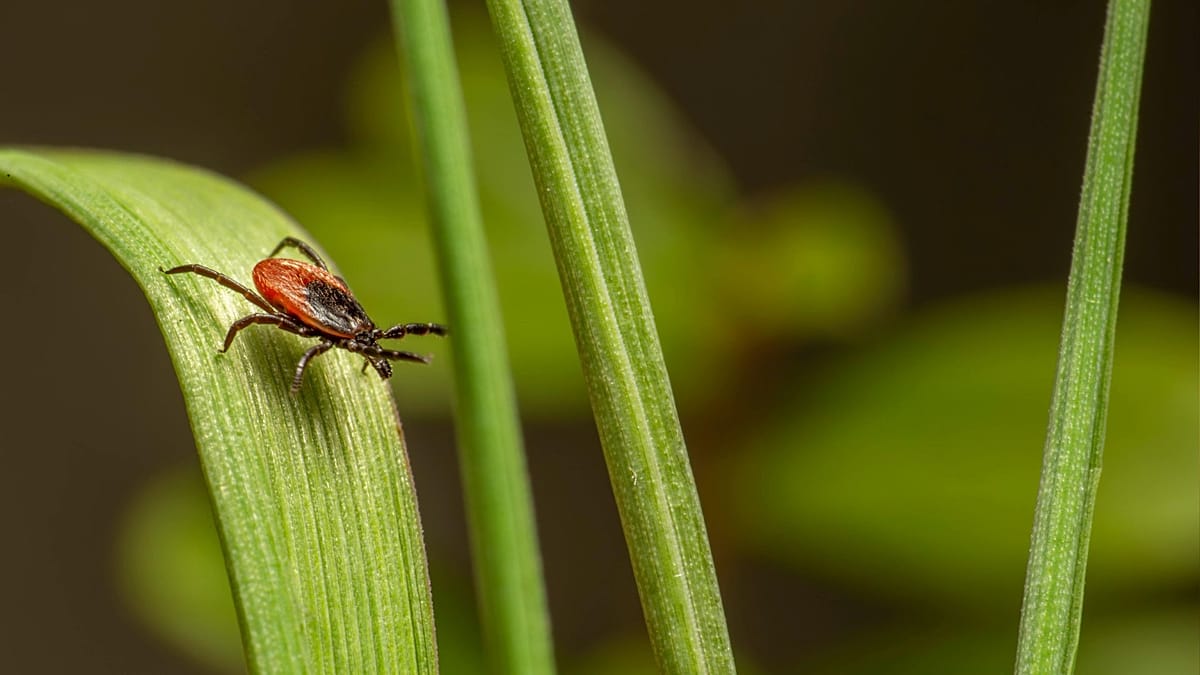
Summer means long days outdoors — but across much of Europe, it also means peak tick season. The good news is that a few simple habits can substantially reduce the risk of being bitten.
Published on 17/08/2026 - 13:31 GMT+2
Ticks are active across much of Europe from spring through autumn, and are commonly found in forests, grasslands, parks, gardens and other areas with vegetation. They can transmit diseases including Lyme borreliosis and tick-borne encephalitis (TBE).
The risk is not a reason to stay indoors. But a few minutes spent choosing protective clothing, applying repellent and checking for ticks afterwards can make outdoor time considerably safer.
The first rule is simple: make it harder for ticks to reach your skin
When walking through areas where ticks may be present, wear long trousers and long sleeves and tuck trousers into socks or boots. Light-coloured clothing can make ticks easier to spot. Where appropriate, use an approved insect repellent on exposed skin and clothing, following the product instructions.
It is also worth thinking about where you walk
Ticks tend to wait on vegetation for a host, so sticking to clear paths rather than brushing through long grass, dense undergrowth and bushes can reduce exposure. This is particularly relevant when hiking, camping, gardening or spending time in parks and woodland.
After spending time outdoors, check your entire body
Pay particular attention to skin folds, the groin, armpits, waist and the backs of the knees. Children’s heads and necks should also be checked carefully. Pets should be inspected too.
You got bitten? Don't panic
If you find a tick attached to your skin, remove it as soon as possible. As Lyme disease is unlikely to be transmitted within the first few hours after the bite, removing ticks attached to the skin as soon as possible reduces the risk. Using fine-tipped tweezers, grasp the tick as close to the skin as possible and pull it straight upwards, gently and without twisting or jerking. Then wash the bite and your hands with soap and water and apply an antiseptic.
When it comes to diseases...
Lyme disease is caused by bacteria and can generally be treated successfully with antibiotics. There is currently no licensed vaccine against Lyme disease, making bite prevention and early tick removal especially important.
TBE is different. It is caused by a virus and can affect the central nervous system, sometimes causing meningitis or encephalitis. There is no specific treatment for TBE, but vaccination is one of the most effective means of preventing TBE.