FIFA faces US probe over World Cup ticket prices less than two weeks before the tournament
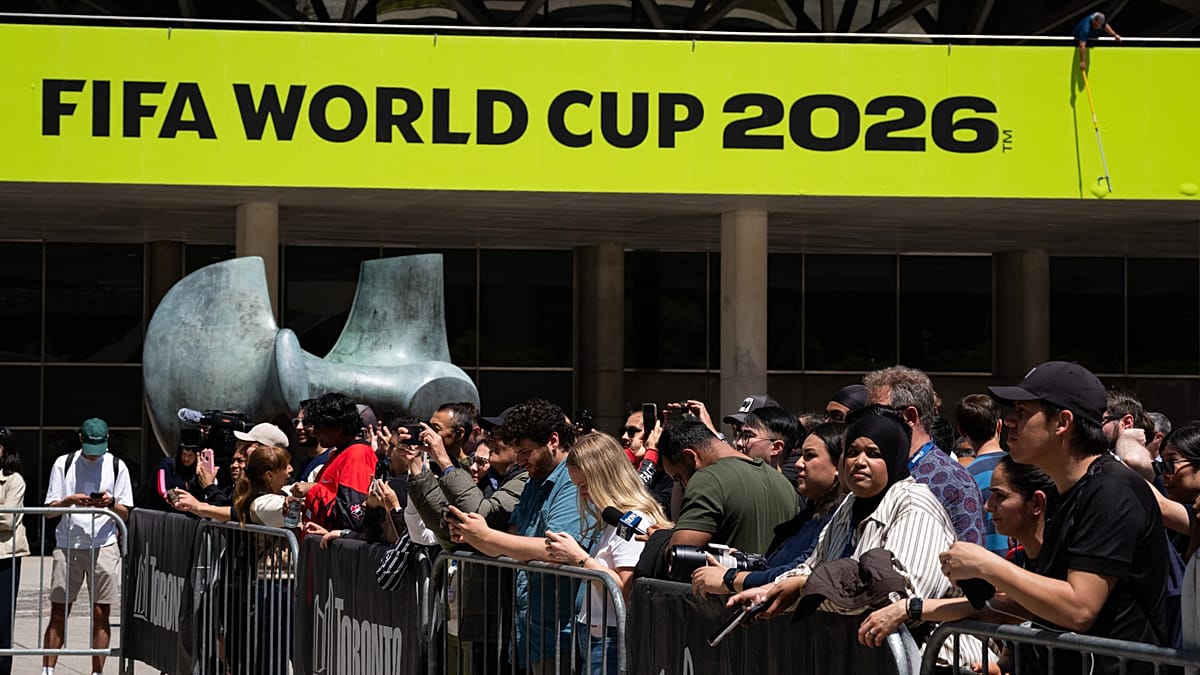
The attorneys general of New York and New Jersey have issued subpoenas to FIFA as part of a formal investigation into allegedly deceptive ticketing practices ahead of the 2026 World Cup, with fans reporting sky-high prices.
Football's governing body is under mounting legal pressure on American soil just two weeks before the 2026 World Cup begins.
The states of New York and New Jersey have launched formal investigations into FIFA's ticket sales for the tournament, citing concerns over misleading pricing and the accuracy of seat allocations, as critics accuse the organisation of exploiting fans who spent years waiting for the competition to arrive on their doorstep.
According to a joint statement released on Wednesday, New York Attorney General Letitia James and New Jersey Attorney General Jennifer Davenport have issued subpoenas seeking internal documentation on how ticket prices were set and how seating categories were defined and marketed.
The investigation centres on eight matches at MetLife Stadium in New Jersey, including the tournament final scheduled for 19 July.
"New Yorkers have been waiting years for the World Cup to come to their backyard and they deserve a fair shot at affordable tickets," James said.
Part of the investigation focuses on allegations from buyers who claim they received seats in less desirable areas of the stadium than those they originally selected and paid for.
FIFA compounded the confusion, according to the attorneys general, by introducing a new "Front Category" premium ticket tier after the initial sales phase had already closed, effectively reshuffling the seating hierarchy for supporters who had already committed their money.
Investigators are also scrutinising FIFA's use of "variable pricing", a form of demand-based pricing applied for the first time at a World Cup.
Prices for more than 90 matches reportedly rose between October 2025 and April 2026, with an investigation by The Athletic finding increases of around 25% for games in Mexico and Canada.
"No one should be manipulated into paying sky-high prices for seats, and fans should be able to trust that the tickets they purchase will be the ones they receive," the New York attorney general declared.
"FIFA has turned buying a ticket to the World Cup into a gauntlet of confusion, fake scarcity and impossibly high prices," the New Jersey attorney general added.
At the time of writing, FIFA has not publicly commented on the investigation.
The probe arrives as the tournament, expected to generate some $13 billion (€11.1bn) for the organisation, faces escalating criticism from fans and regulators alike.
Consumer complaint in the EU
The US subpoenas are not an isolated case.
In March, consumer rights organisation Euroconsumers and the Football Supporters Europe (FSE) network filed a formal complaint with the European Commission, accusing FIFA of abusing its monopoly position over ticket sales and describing the pricing as "extortionate" and a "monumental betrayal" of fans.
The Commission confirmed receipt of the complaint and said it would assess the case under standard procedures, though no further developments have been reported since.
At the heart of the European complaint is what campaigners describe as a glaring gap between promise and reality.
FIFA originally announced group-stage tickets from as little as $60, yet according to Euroconsumers, almost no fans managed to secure seats at that price.
The organisation also charges a 15% fee to both buyers and sellers through its own resale marketplace, a practice Euroconsumers describes as highly profitable for the governing body and detrimental to consumer rights.
"Let's put a stop to this dynamic pricing and announce with full transparency what the prices will be," said Els Bruggeman, head of policy and enforcement at Euroconsumers.
FIFA, which describes itself as a not-for-profit organisation and says revenues are reinvested across its 211 member associations, has defended its model by pointing to unprecedented global demand, citing more than 500 million ticket requests for the tournament.