
Feeding Our Tomorrow: how India’s women-led, sustainable farming is reaching Europe
At SIAL Paris 2026, the India Trade Promotion Organisation put sustainable agriculture, women’s empowerment and a changing relationship with Europe at the heart of India’s food story. When Jawed Ashraf took...
At SIAL Paris 2026, the India Trade Promotion Organisation put sustainable agriculture, women’s empowerment and a changing relationship with Europe at the heart of India’s food story.
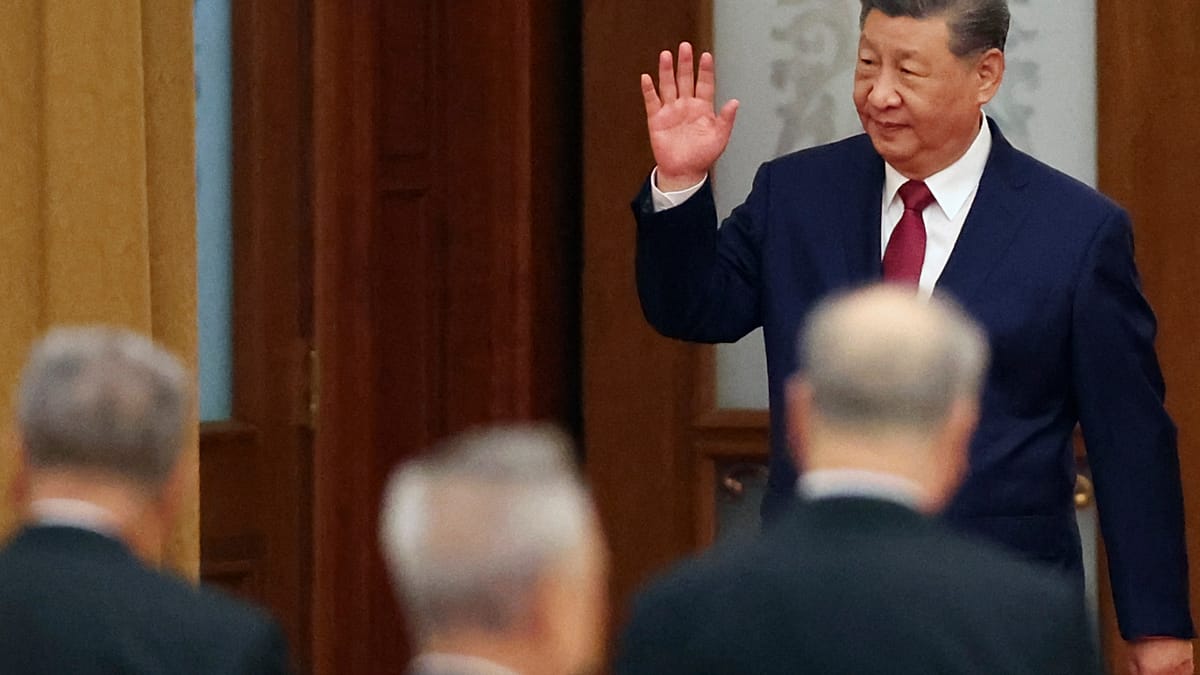
When Jawed Ashraf took to the stage at the opening of SIAL Paris 2026, in the presence of French Minister Anne Genevard and an international audience, he described an agricultural revolution taking place across India. Led by small farmers, he said, it rests on diversity, resilience, sustainability and greater self-sufficiency. These themes defined the India pavilion, which carried a simple title: “Feeding Our Tomorrow”.
As Chairman of the India Trade Promotion Organisation (ITPO), Ashraf led India’s presence as Partner Country at the exhibition, held at Paris Nord Villepinte from 17 to 21 October 2026. He knows the French capital well: he was India’s ambassador to France and Monaco from 2020 to 2024 and received the Commander de la Légion d’honneur for his service. More than 140 Indian exporters joined the pavilion, with live culinary masterclasses and a programme on plant protein, women-led agriculture and rice exports.
A farm sector built on sustainability
Ashraf described a shift towards more sustainable, climate-resilient farming, with less chemical use and better traceability. Drones, sensors, artificial intelligence and the Internet of Things (IoT) help farmers manage water, fertilisers and crop protection more efficiently, a growing advantage as extreme weather puts pressure on food production.
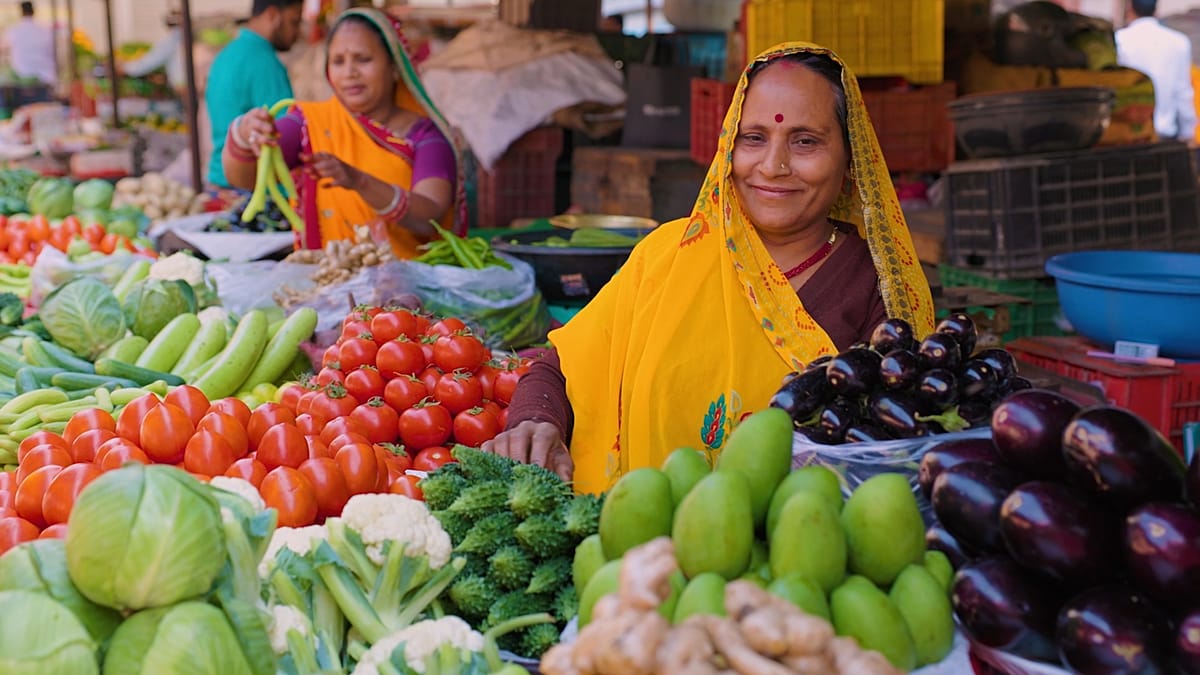
The stakes are global. Feeding a growing population amid climate pressure, trade disruption and inflation will demand change. India already produces grains, fruit, vegetables, dairy, meat and seafood for roughly one sixth of humanity, and Ashraf sees that capacity, paired with more sustainable methods, as part of the answer.
2026: the year of the woman farmer
The UN has designated 2026 the International Year of the Woman Farmer, and Ashraf used the occasion to highlight the role women play in India’s agricultural transformation. Many farmer/producer organisations are founded and run by women, raising household incomes and giving women greater independence and influence in their communities.
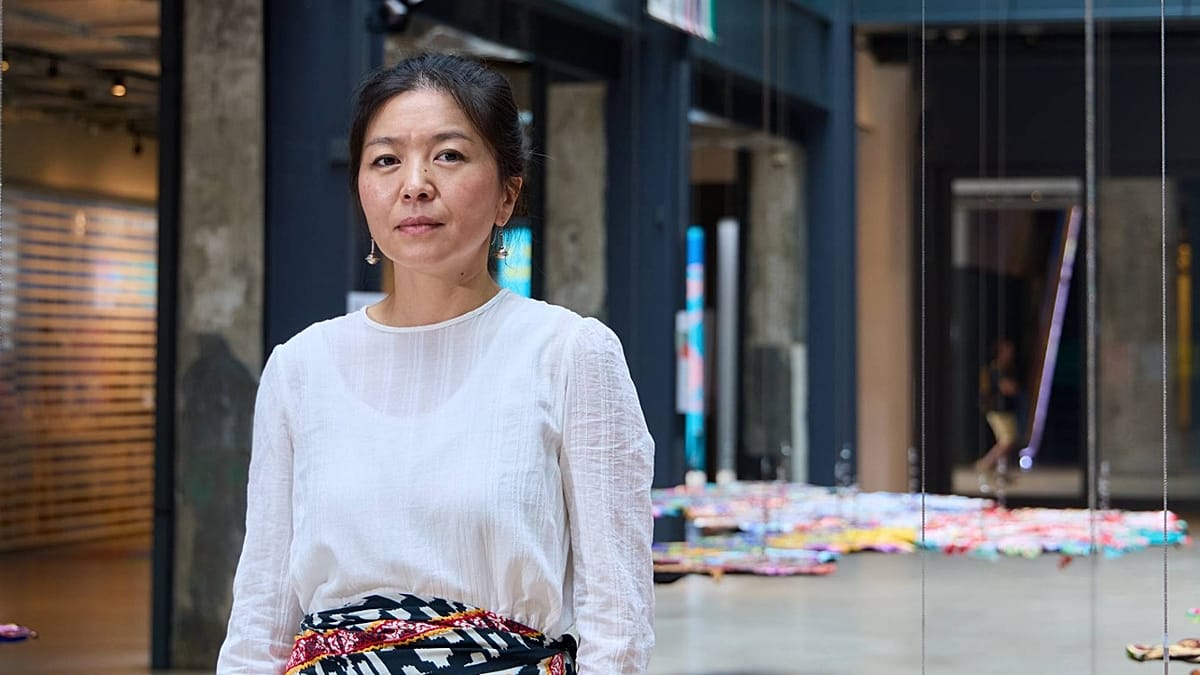
One of those women travelled to Paris. Priyanka Rhushikesh Mohite, from Nashik in Maharashtra, is a certified agricultural drone pilot. Her husband, an agricultural adviser, heard about a Government of India scheme training rural women to operate drones, the Namo Drone Didi Scheme. She applied, won a place and completed a month of training in Pune. She has flown since August 2024.
The practical gains are striking. Her drone sprays nano fertilisers and spreads seeds. Watering an acre once took a full day and around 200 litres of water. With the drone, she says, it takes seven to eight minutes and 10 litres.
Yet technology is only part of her story. “I am a simple housewife,” she says. Becoming a pilot has given her an identity of her own, respect in her community and the chance to encourage other women to follow. Before 2024, she could never have imagined travelling to Paris, and she thanked ITPO for the opportunity.
A trade deal with wider reach
A free trade agreement (FTA) reduces or removes customs duties on many traded goods and sets rules to ease cross-border commerce. The EU-India FTA was concluded in January 2026 and is expected to be signed by the end of the year. It builds on India’s arrangements with the UK and the European Free Trade Association, which have opened further opportunities for Indian food products through zero or reduced tariffs.
Ashraf believes the benefits could reach farmers and small and medium-sized enterprises (MSMEs), provided they meet market requirements and reach European buyers. European Commission President Ursula von der Leyen has called the agreement the “mother of all deals”. Ashraf sees a partnership between economies representing around two billion people, with democracy and the rule of law as shared foundations.
Its reach extends well beyond food. According to Ashraf, India’s exports to Europe have grown by more than 100% in a decade, led by electronics, machinery, electrical goods and mobile phones. Future cooperation could span artificial intelligence, advanced manufacturing equipment for data centres, clean energy, green mobility, biopharmaceuticals and critical minerals, alongside digital technology, defence, education and science. Energy security is a shared concern, and he sees nuclear power as one area for closer work.
He says trade between India and Europe has nearly doubled in a decade and that European investment in India has risen from 80 billion to 140 billion in four years. In France, bilateral goods trade stood at around €13.6 billion in 2025-26, and 38 CAC 40 companies operate in India.
“An FTA is an enabler,” Ashraf says. Exporters and trade agencies must now turn it into business.
From commodities to brands
For food exporters, that means thinking beyond volume and price. Ashraf wants more Indian products to build a recognisable presence in Europe, which requires understanding European standards, strengthening logistics and creating products that stand out on the shelf. At SIAL the emphasis was on packaged, ready-to-eat and premium foods, backed by traceability and geographical indication tags for products tied to particular places, such as Naga chilli and Mithila makhana, the edible seeds of the fox nut plant.
ITPO is also considering offices in several European cities, with Frankfurt, Paris, Milan and Rotterdam among the options.
Taking flight
Priyanka Rhushikesh Mohite’s journey to become a drone pilot is one example of what that change can look like. Her drone is a practical tool for farming. It has also given her a profession, a public voice and a reason to imagine new possibilities for other women in her community.
For India, the challenge now is to turn that kind of progress into something more widespread, while building a stronger presence for its food producers in European markets.