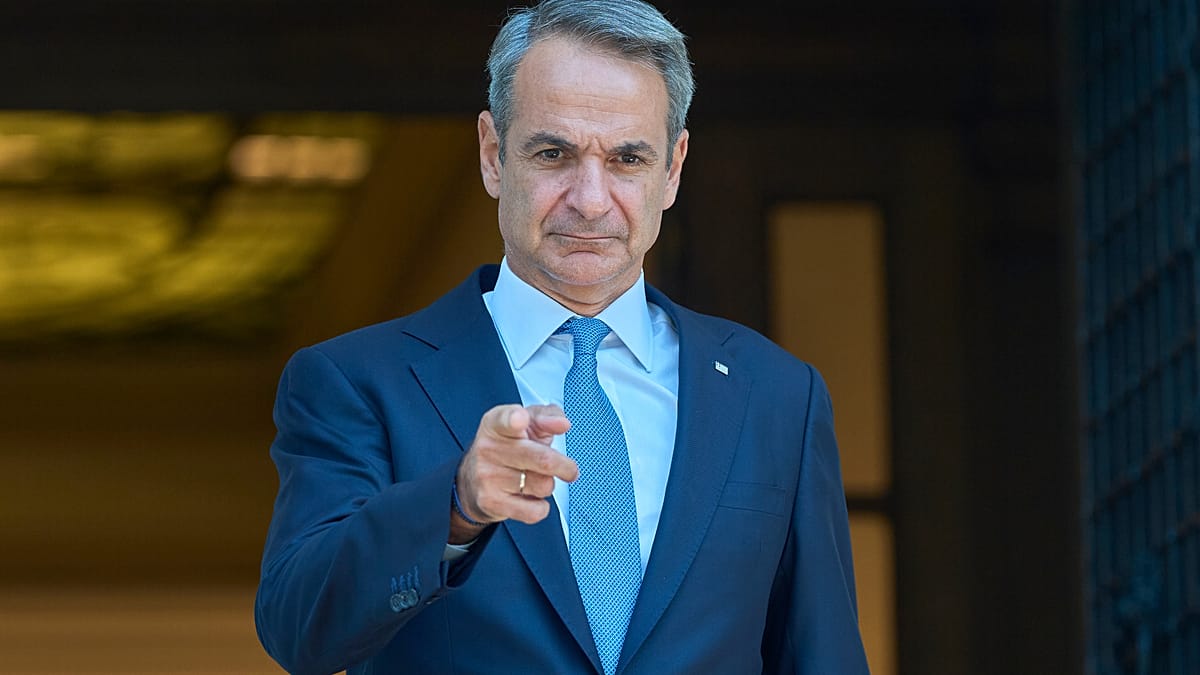
Is the EU planning to freeze funds to German states that voted for the AfD?
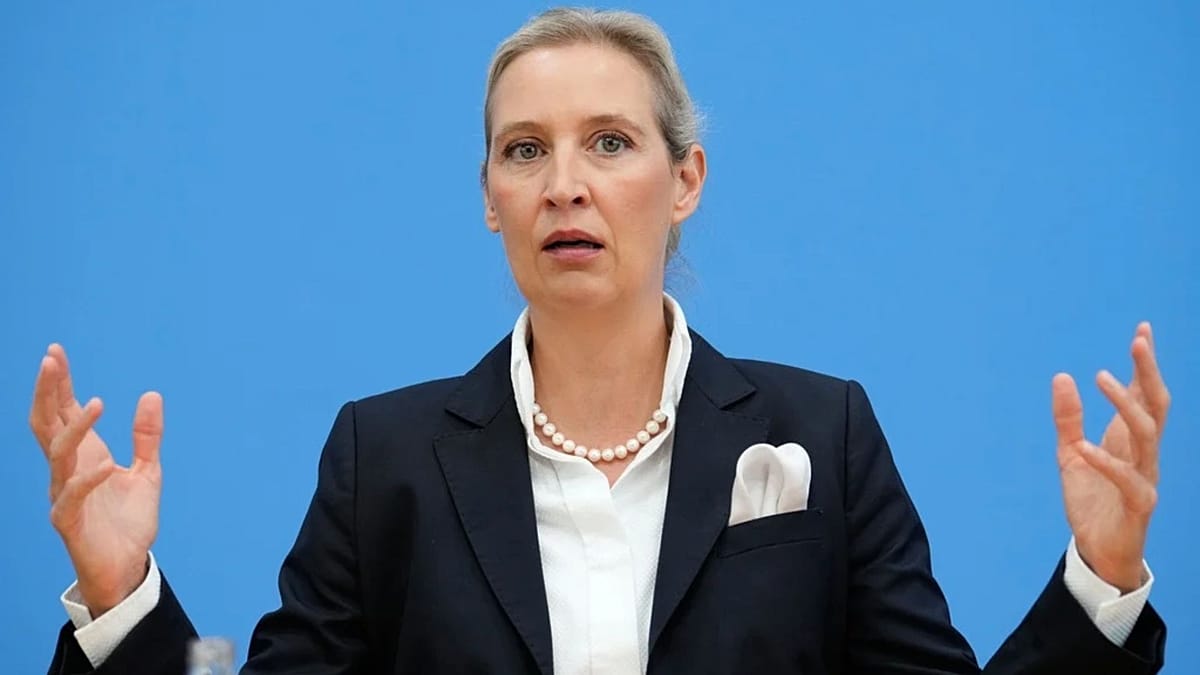
Claims circulating online allege that the EU is threatening to block funds intended for the German state of Saxony-Anhalt, after the far-right AfD party won a recent election there. However, there's no evidence that this is the case.
Is Brussels trying to freeze EU funds to a German state that voted for the far-right Alternative for Germany (AfD) party in an election in early September?
According to several social media posts amassing thousands of views, likes and shares, and often with a picture of European Commission President Ursula von der Leyen attached, it is.
They allege that millions, or even billions, of euros could be withheld from the state of Saxony-Anhalt, located in east-central Germany, after voters handed the AfD a landslide victory on 6 September.
However, the 39 seats it won were not enough to command a majority, even though the party secured more than twice as many seats as any other party.
The AfD has since struggled to establish a coalition, however, as the other parties have refused to collaborate with it.
Von der Leyen herself has repeatedly criticised the AfD in the past, and her own centre-right CDU party suffered a crushing defeat, winning just 17.2% of the vote and falling to 15 seats. This possibly fuelled the suggestions online that she is behind the scheme to freeze the EU funds.
However, there's no evidence that that's the case. Instead, the narrative seems to stem from a statement by German Green MEP Daniel Freund, who said after the state election that he would push to freeze EU money flowing to an AfD-led government if it violated any European values or misused funds.
Saxony-Anhalt is set to receive €2.95 billion in EU funding as part of the current 2021-2027 budget. This includes €1.3 billion from the European Regional Development Fund, €571 million from the European Social Fund, and €594 million from the European Agricultural Fund for Rural Development.
On a per capita basis, Saxony-Anhalt benefits more from EU funding than any other German state, according to Freund, averaging over €650 per citizen over the full EU budget cycle.
He also highlighted that the EU had used similar freezing measures in the past in Poland and Hungary.
Brussels did indeed block money intended for those countries a few years ago, over rule-of-law and democratic backsliding concerns under previous governments.
Some of these funds have since been released following reforms. In Poland, for example, the European Commission formally unlocked €137 billion in cohesion and post-pandemic funds in 2024, after Prime Minister Donald Tusk's government brought in guarantees for judicial independence and the rule of law.
For Hungary, meanwhile, it has proposed unlocking a first tranche of €4.2 billion in cohesion funds and restoring access to programmes like Erasmus+ and Horizon Europe.
Billions of euros had been frozen over rule-of-law and corruption concerns under former Prime Minister Viktor Orbán, but recent legislative actions by Péter Magyar's administration have paved the way for the money to be unfrozen.
Nevertheless, for now, the idea that this could happen to Saxony-Anhalt appears to be the opinion of a few MEPs, rather than a concerted effort by Brussels.
Under the EU's rule-of-law conditionality mechanism, funding cannot be suspended simply because a particular party takes office. The European Commission says measures can only be proposed where breaches of the rule of law directly affect, or seriously risk affecting, the sound management of the EU budget or the EU's financial interests.
Such a measure would have to be proposed by the European Commission, with the Council of the European Union ultimately deciding whether to adopt it.
A spokesperson for the government of Saxony-Anhalt also told us that it was not aware of any plans to freeze the EU funds heading its way.
"In the current situation, there would be no legal basis for such a course of action," the spokesperson added, noting that a new state government has not yet been formed following the election on 6 September.
In addition to that vote, the AfD also saw success in another election in the state of Mecklenburg-Western Pomerania in the north a couple of weeks later. The Left meanwhile won in the Berlin state election.
The European Commission did not respond to our request for comment as of the time of publication.