
Social media: Florence opens Italy's first centre for digital addiction
By Euronews Roma Published on 23/07/2026 - 14:58 GMT+2 On Tuesday in Florence, an agreement was signed for the launch of the project...
By Euronews Roma
Published on 23/07/2026 - 14:58 GMT+2
On Tuesday in Florence, an agreement was signed for the launch of the project "Discover - Out of the shell" (source in Italian), the first specialised centre in Italy dedicated to the issue of disconnection and the conscious use of digital technology.
The initiative, promoted by ASL Toscana centro, the City of Florence and the Retesviluppo cooperative, is Italy's first attempt to tackle the phenomenon of addiction to the digital world, which mainly affects young people and has social and cultural repercussions.
"Digital technologies are part of young people's everyday lives and represent an extraordinary opportunity. Precisely for this reason we have a duty to support them in making increasingly conscious use of these tools, helping them to find a balance between the time spent online and the time devoted to relationships, sport, culture and shared experiences," explains Councillor for Youth Policies Letizia Perini, one of the main promoters of the centre.
Rules and restrictions in Europe
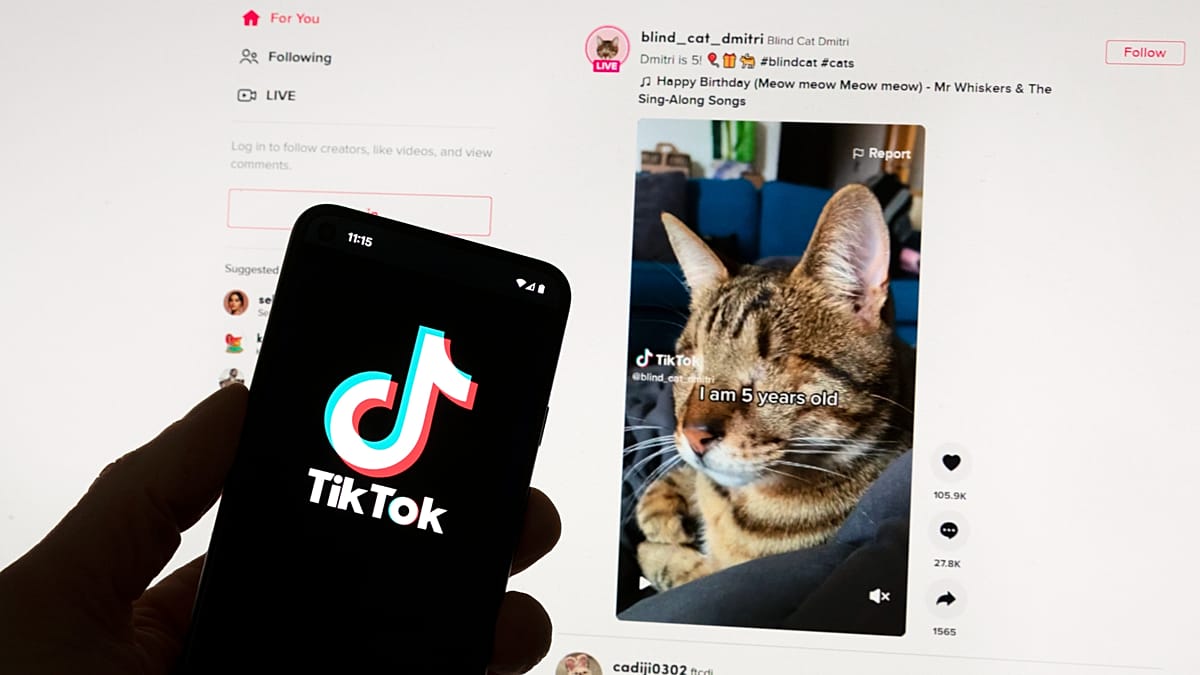
The debate on the issue is extensive worldwide and, in recent days, various solutions have been adopted in Europe. The first country to adopt strict legislation against the platforms was Australia, which requires providers to verify users' age. The measure applies not only to social networks such as Instagram, TikTok or Facebook, but also to several types of online services.
Following Australia's lead, France on Tuesday became the first European country to introduce a ban on social media for under-15s, which will come into force as early as September.
Similar initiatives are spreading across Europe, after the President of the European Commission Ursula von der Leyen backed the introduction of measures to protect minors online, drawing on data that highlight the risks for younger people. (source in Italian)
On 15 July the United Kingdom announced plans to introduce a night-time social media curfew for 16 and 17-year-olds, although the measure has been criticised as ineffective.
Other European countries, including Greece, Slovenia, Sweden and Spain, are planning restrictions on social media use by under-16s and under-14s.
Italy focuses on prevention
Italy has not yet introduced solutions similar to those adopted in other EU countries. The Discover project, which will be operational after the summer, instead seeks to act in terms of preventing the abuse and misuse of screens and platforms, while at the same time promoting mindful use.
"We will not simply be imposing bans, but an innovative approach based on two pillars: guided disconnection and the promotion of conscious use of technology, to turn young people from passive consumers into active protagonists of their time. The Discover Centre aims to be a hub open to the local community, to analyse the phenomenon, launch interventions and practical workshops and train the educational community, rebuilding the social fabric that digital isolation risks fraying," says ReteSviluppo President Ester Macrì.
The centre will welcome young people aged between 10 and 25 and will be run by Retesviluppo, which has a decade of experience in schools, with a team of employees, collaborators and volunteers. The services on offer will include guidance programmes, a listening desk and workshop activities, focusing both on media education and on enhancing social interaction through board games, manual activities and group work.
Discover is intended as an educational space, open also to parents and external educators, but in the case of complex situations such as social withdrawal, isolation or psychological distress the ASL can intervene by coordinating specialist services in the area.
"It was a much-needed centre that was missing from our area and that commits all of us, the signatory bodies, to keeping the sharing of strategies and projects alive. A key added value is the possibility of integrating prevention activities with constant links to the competent services. All this is done from a perspective of empowerment, far removed from logics of prohibition or simple bans," stresses the Director of ASL Toscana centro Valerio Mari**.**