Moeve starts building Europe's largest green hydrogen project in Huelva
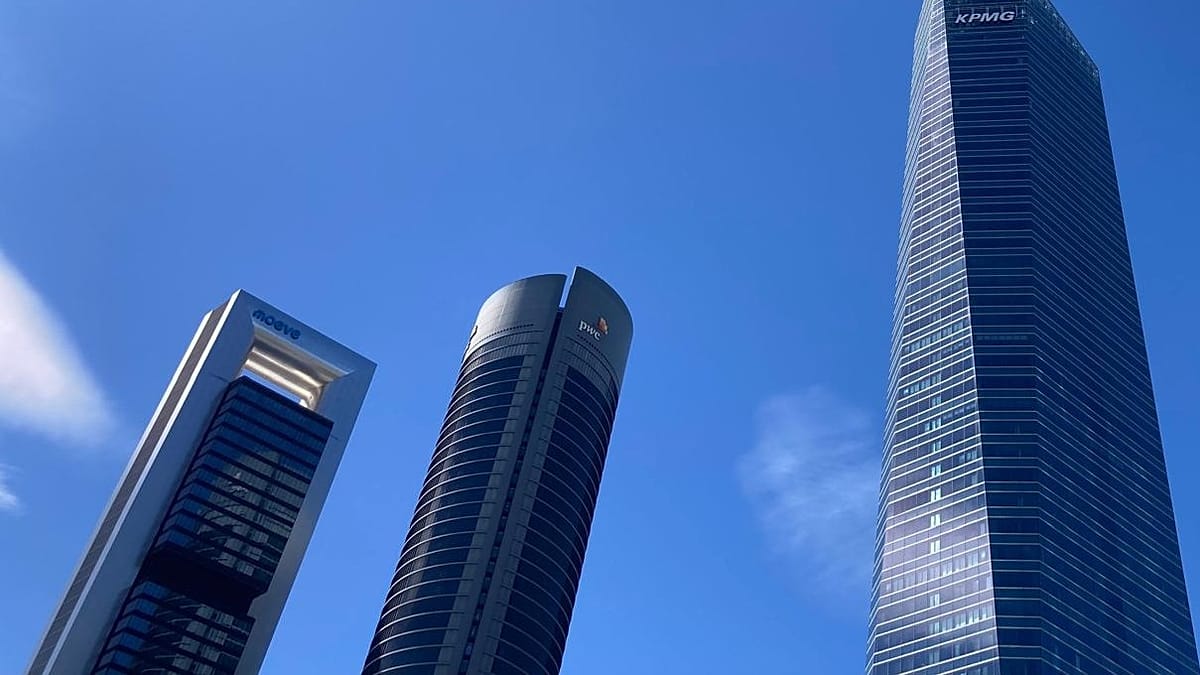
The first phase of the Andalusian Green Hydrogen Valley will have 300 MW of electrolysis and involve investment of over €1 billion. Moeve expects to create more than 8,000 jobs during its development.
Moeve has launched construction of the first phase of the Andalusian Green Hydrogen Valley in Palos de la Frontera, Huelva, a project the company is presenting as the largest of its kind in Europe and which aims to put Spain in a leading position in the development of this new energy industry.
The first phase, called 'Onuba', will initially have 300 MW of electrolysis capacity, with the option of adding a further 105 MW, and will involve a total investment of more than 1 billion euros, including the associated infrastructure and a photovoltaic plant for self-consumption.
During the development, construction and commissioning phases, Moeve estimates that the project will create more than 8,000 direct jobs, as well as indirect and induced employment across the entire value chain, and will support the activity of more than 400 small and medium-sized enterprises and local self-employed workers.
"Once again, we are turning ambition into a tangible reality," said Moeve's chief executive, Maarten Wetselaar, quoted in a statement. "Today we are turning the page on green hydrogen pilot projects and moving into the chapter of large-scale construction."
In comments to 'Euronews', Wetselaar argued that 'Onuba' can help strengthen Spain's role in the European energy transition and reduce dependence on external suppliers. "We need European energy that is decarbonised and produced by us, and that is exactly what this project delivers," he explained.
The company expects the facility to be able to produce around 45,000 tonnes of renewable hydrogen a year, avoiding some 250,000 tonnes of CO₂ emissions annually. The hydrogen will be used to support more sustainable production of fuels for road, air and maritime transport, as well as contributing to the decarbonisation of other industries.
The start of construction was marked on Thursday in Palos de la Frontera at an event bringing together representatives of the Spanish government, the European Commission, the regional government of Andalusia and the municipalities of Palos de la Frontera and Huelva, along with executives from the companies involved in the project. Those attending included the Spanish prime minister, Pedro Sánchez, the president of the Andalusian regional government, Juanma Moreno, the third deputy prime minister and minister for the Ecological Transition, Sara Aagesen, and the European Commission's executive vice-president for a Clean, Fair and Competitive Transition, Teresa Ribera.
Spain at the heart of production
For Moeve, the conditions in Spain, and especially in Andalusia, offer a clear advantage for the development of green hydrogen. The company highlights the availability of solar and wind power, the land required for large renewable facilities and conditions that allow renewable electricity to be generated at competitive costs.
"Spain has abundant solar energy, very good wind energy and space to build large renewable parks," Wetselaar noted. In his view, given that renewable electricity accounts for a large share of the cost of producing green hydrogen, the availability of renewable resources could turn the country into one of Europe's main producers.
The 'Onuba' project is led by Moeve, which owns 51% of the venture. Hy24 and Cofides jointly hold 29%, while Enagás Renovable and Alter Enersun control the remaining 20%.
The project has been recognised by the European Union as a Project of Common Interest and has received 304 million euros in funding from the Spanish government through the Recovery, Transformation and Resilience Plan, financed by the European Union via NextGenerationEU.
A 2 GW project
'Onuba' is the first phase of the Andalusian Green Hydrogen Valley, which Moeve plans to develop up to a total electrolysis capacity of 2 GW at its energy parks in Palos de la Frontera and San Roque, in the province of Cádiz.
The company also plans to connect production in Huelva with other European industrial hubs through pipeline and maritime transport solutions. "We want to scale up this plant and connect Huelva with other industrial centres in Europe," Wetselaar said.
The development of hydrogen forms part of a broader transformation of Moeve's facilities in Andalusia. The company plans to invest a total of 2.4 billion euros in energy transition projects in the region, including 'Onuba' and a second-generation biofuels plant that will produce sustainable aviation fuel and renewable diesel.
For Wetselaar, the roll-out of these projects could have effects that go beyond energy output. "If Spain scales up, we are talking about thousands of jobs, a significant impact on GDP and, of course, political clout," he said. In his opinion, the ability to produce and export renewable energy could reshape Spain's energy relationship with the rest of Europe.