
EU ends anti-corruption funding curbs on Hungary, freeing €4.2bn
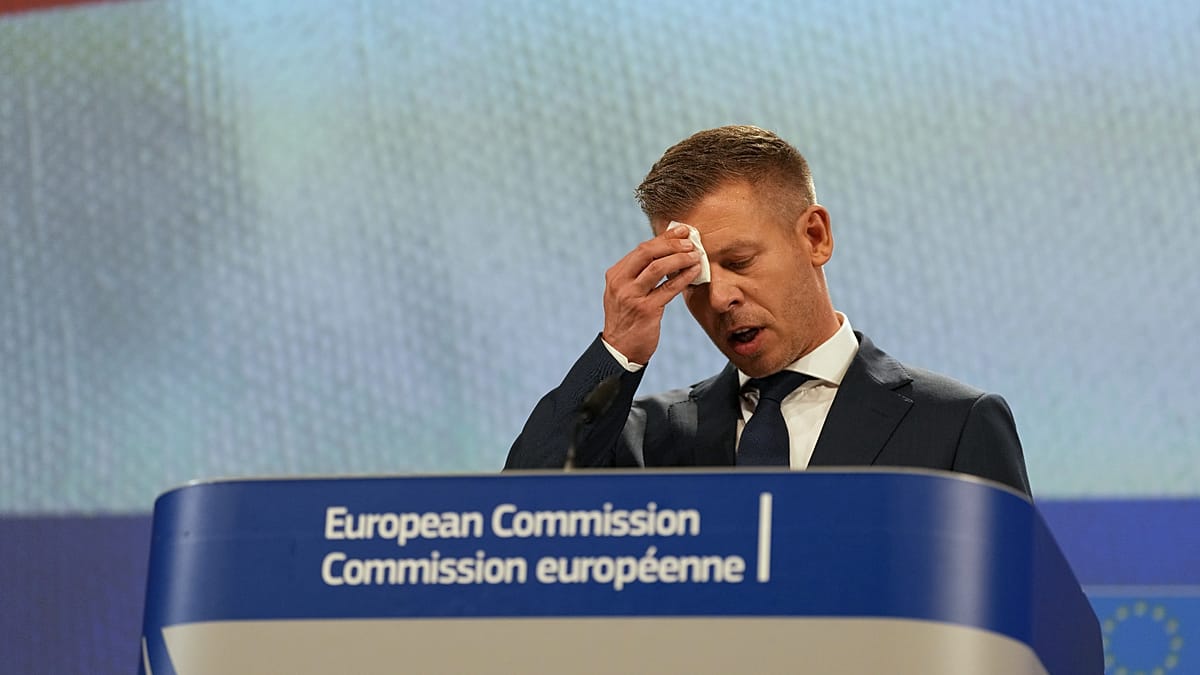
The Council of the EU has ended the 2022 conditionality mechanism imposed on Hungary over corruption risks, releasing €4.2 billion and restoring access to Erasmus+ and Horizon Europe after Péter Magyar’s new government adopted anti-corruption reforms.
Published on 13/10/2026 - 11:44 GMT+2
The Council of the EU has brought an end to the conditionality mechanism imposed on Hungary to address corruption risks in the country.
The decision unfreezes €4.2 billion in funding and allows Hungary to rejoin the Erasmus+ student exchange programme and the Horizon Europe research initiative.
The EU introduced the conditionality mechanism in 2022 under the government of former Prime Minister Viktor Orbán, making access to EU funds dependent on respect for the rule of law. The move also led to the suspension of a substantial amount of EU funding to Hungary.
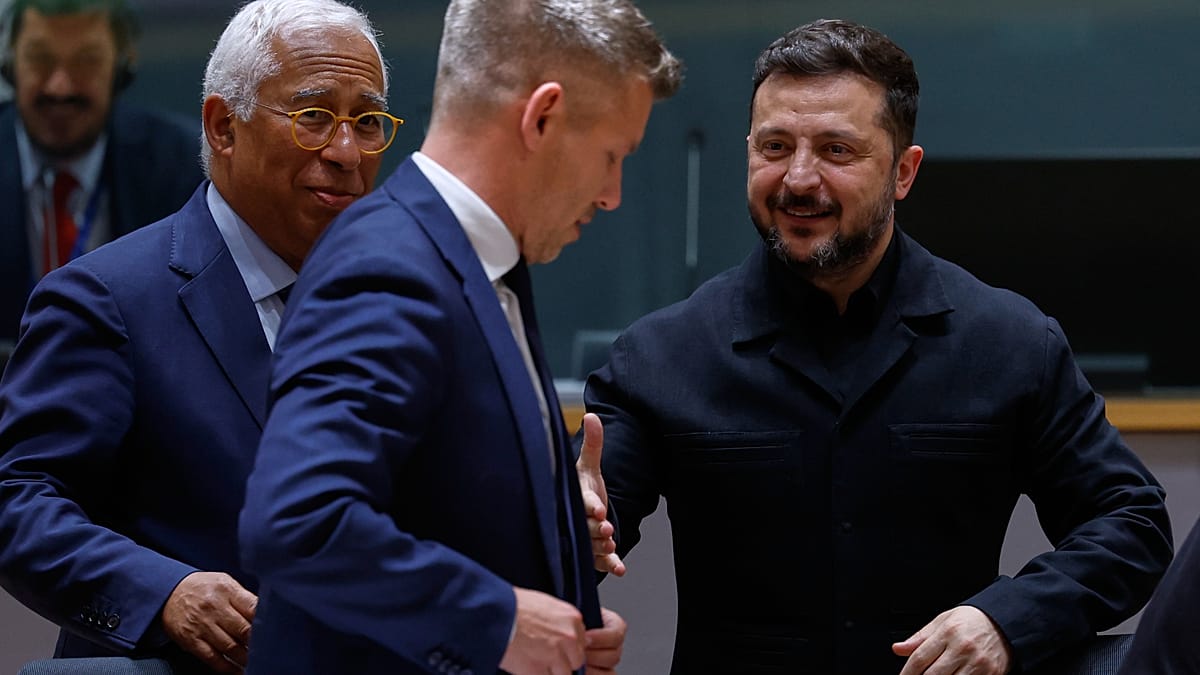
Following the landslide election victory of the centre-right Tisza Party, led by Péter Magyar, the new government adopted a series of anti-corruption and transparency measures to unblock the funds.
Magyar agreed with European Commission President Ursula von der Leyen on the release of a total of €16.4 billion in exchange for reforms and investment plans. The money had been frozen over rule-of-law and corruption concerns under Orbán.
“A new chapter starts today. For Hungary and for Europe,” von der Leyen posted on social media.
In addition to the €4.2 billion released now, Hungary is applying for €10 billion from the EU’s post-pandemic recovery funds, and €2.2 billion is linked to improvements in academic freedom.
At the end of August, Hungary said it had fulfilled all the conditions required to access the funds. The European Commission is currently assessing whether the requirements have been met.
If the evaluation is positive, Budapest could gain access to the money by the end of the year, following approval in the autumn.