Germany's far-right AfD bids to take helm of state parliament in Saxony-Anhalt

By Johanna Urbancik Published on 06/10/2026 - 8:45 GMT+2 Germany's far-right Alternative for Germany (AfD) is seeking to have one of...
By Johanna Urbancik
Published on 06/10/2026 - 8:45 GMT+2
Germany's far-right Alternative for Germany (AfD) is seeking to have one of its politicians elected president of a state parliament today, as lawmakers in the eastern state of Saxony-Anhalt meet for the first time since the party won elections there a few weeks ago.
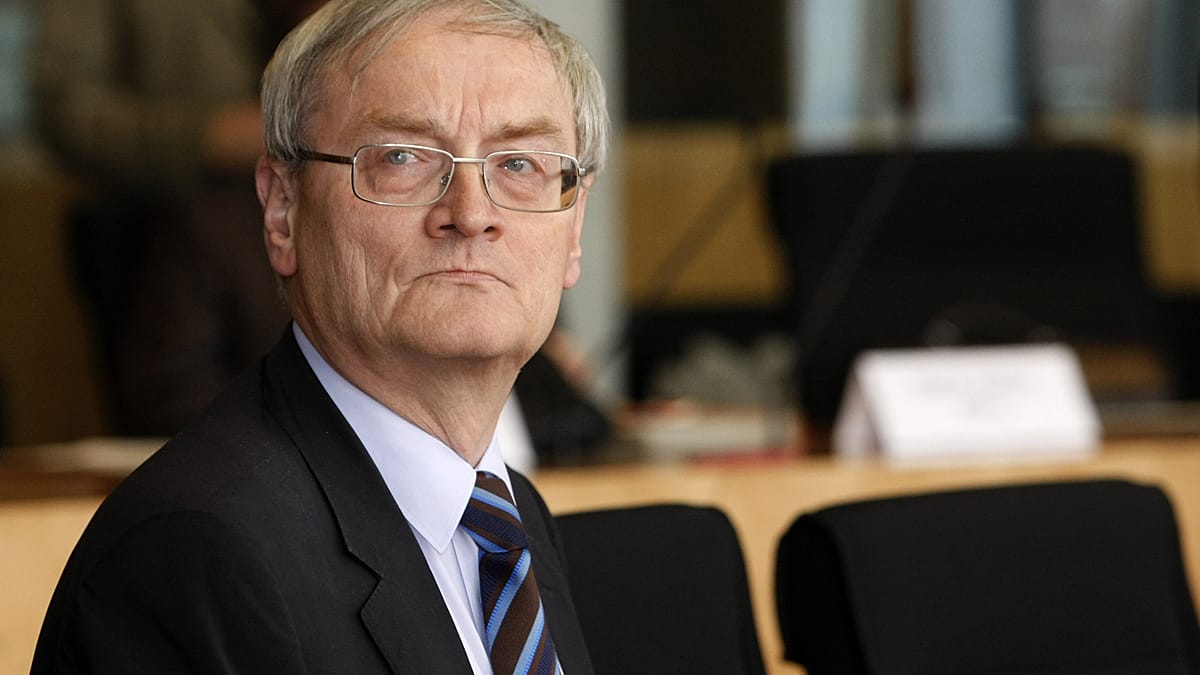
The AfD wants Tobias Rausch to become president, or speaker, of the newly elected parliament in the state capital, Magdeburg, a personnel decision with nationwide significance. Whether he will secure the necessary majority is still unclear.
The AfD won the state election on 6 September with 43.8 percent and now holds 39 of the 83 seats. As the largest parliamentary group, it has the right to nominate the president. For the election itself, however, a simple majority of valid votes cast is sufficient.
This means Rausch is reliant on votes from other parties. The Sahra Wagenknecht Alliance (BSW), with five deputies, has announced it will back him. The conservative CDU, the Social Democrats (SPD), the Greens and the Left Party intend to vote against the AfD candidate. If the BSW deputies vote for Rausch, he will have the votes he needs.
Why is this election so significant?
The AfD's state branch in Saxony-Anhalt is classified as a confirmed right-wing extremist organisation by the state office for the protection of the constitution, the domestic intelligence agency, which is a department within the CDU-led Interior Ministry. Observers therefore see Rausch's possible election as a political watershed.
The office of president of the state parliament is not merely ceremonial: the president chairs the plenary sessions and the council of elders and heads the parliamentary administration. Political scientist Nicolas Spohn told the magazine Focus that the president's power lies "above all in procedural issues and powers relating to the rules of the house".
Spohn stressed that it remains open how an AfD politician would actually exercise the office. Rausch has offered his own description of his political style. "I am not a hardliner, I am pragmatic," he said, according to the German Press Agency. He wants "to take the interests of everyone into account as far as possible".
The culture of debate in parliament, he said, should be "tough on substance but fair to individuals".
A signal for future government formation
The election of the speaker of the state parliament does not decide who will lead the future state government. Nevertheless, it is likely to be closely watched.
AfD lead candidate Ulrich Siegmund is aiming to be elected minister-president, the head of the state government, in December and needs at least 42 votes to do so.
Against this backdrop, today's ballot is also seen as a first test of the relationship between the AfD and the BSW. CDU parliamentary group leader and outgoing minister-president Sven Schulze has announced that his party will vote against the AfD candidate.
What is happening in the state parliament today?
The session starts at 11am CET. As the longest serving member, Eva von Angern from the Left Party will open the inaugural sitting. First, the quorum will be established and the agenda and provisional rules of procedure adopted, among other things. The president is elected by secret ballot. If no candidate achieves the necessary majority in the first round, further rounds are possible.
After the election, the sitting is to be suspended. The council of elders will then discuss possible changes to the rules of procedure. The election of the vice-presidents is among the items scheduled afterwards.
The AfD has also already pushed through a change to the seating plan: as the largest group, it will in future sit in the middle of the chamber rather than on the far right.
Protests have been announced to coincide with the session. The "Solidarisches Magdeburg" alliance is planning a demonstration outside the state parliament together with other initiatives.
Until a new head of government has been elected and sworn in, the current state government will remain in office.