How is the EU improving kids’ safety online? Ask the Euronews AI chatbot
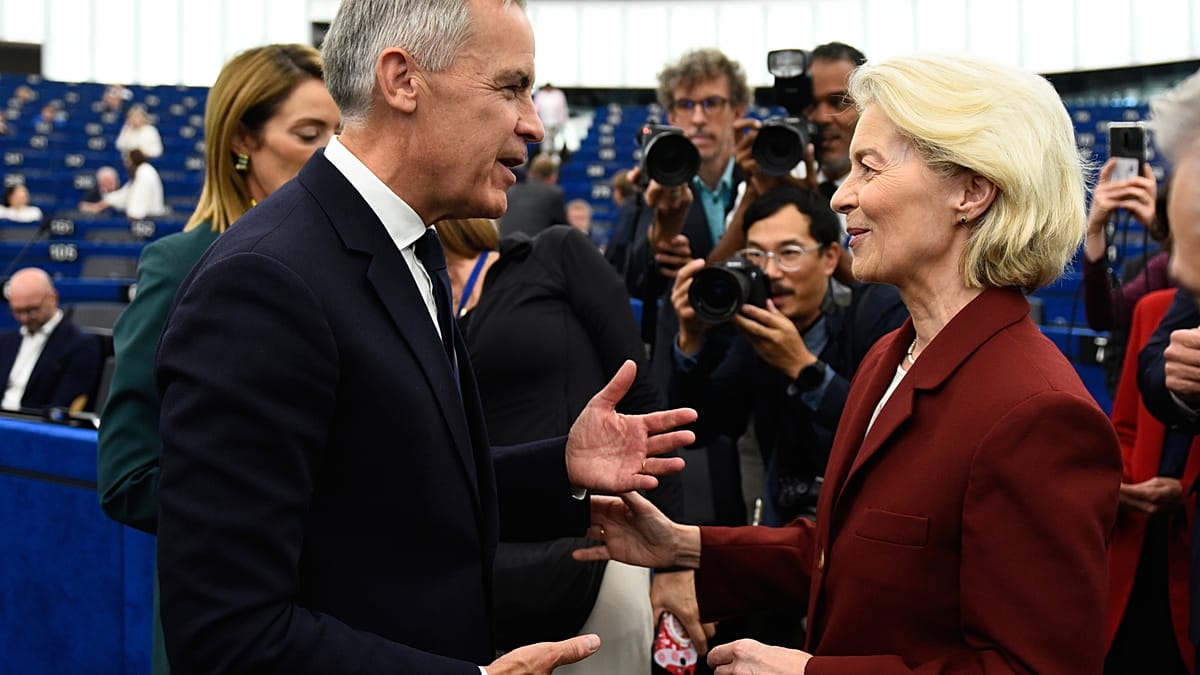
EU Commission President Ursula von der Leyen proposed the EU KIDS ACT on 17 September. It limits children’s access to social media and makes online games, video-sharing sites, and AI chatbots minor-proof. But what does it include? Ask the Euronews AI chatbot.
Published on 21/09/2026 - 8:15 GMT+2
The EU is doubling down on online safety to address rising youth health issues linked to addictive platform design and excessive screen time.
The Commission’s new EU Kids Act bans children under 13 from accessing social media, including Instagram, TikTok and YouTube. Adolescents aged 13 to 15 can set up restricted accounts under parental supervision, and 15- to 18-year-olds can only access "safe by design" versions of social media.
Social media, AI chatbots, video games, video-sharing platforms and app stores must be age-appropriate and discourage compulsive use. Recommender algorithms can no longer suggest content based on minors’ behaviour or preferences.
The proposal addresses rising concerns about today’s online environment. A July 2026 Eurobarometer survey found that 71% of Europeans worry about the psychological impact of cyberbullying on minors, while 70% mostly fear grooming and exploitation. 63% want tougher EU rules on children's social media access, 15% back stronger law enforcement, and 13% prefer parental and school oversight.
The Act is part of the EU's wider effort to protect children online. Earlier this year, the Commission launched the EU age-verification app to verify users’ ages. The Digital Services Act protects minors' privacy through safer default settings and restrictions on targeted advertising, while the Action Plan Against Cyberbullying provides tools to tackle online bullying.
Do you want to know more about children’s protection under the EU Kids Act? Ask the Euronews AI chatbot!