India’s ruling BJP suffers rare byelection loss after Cockroach student protests
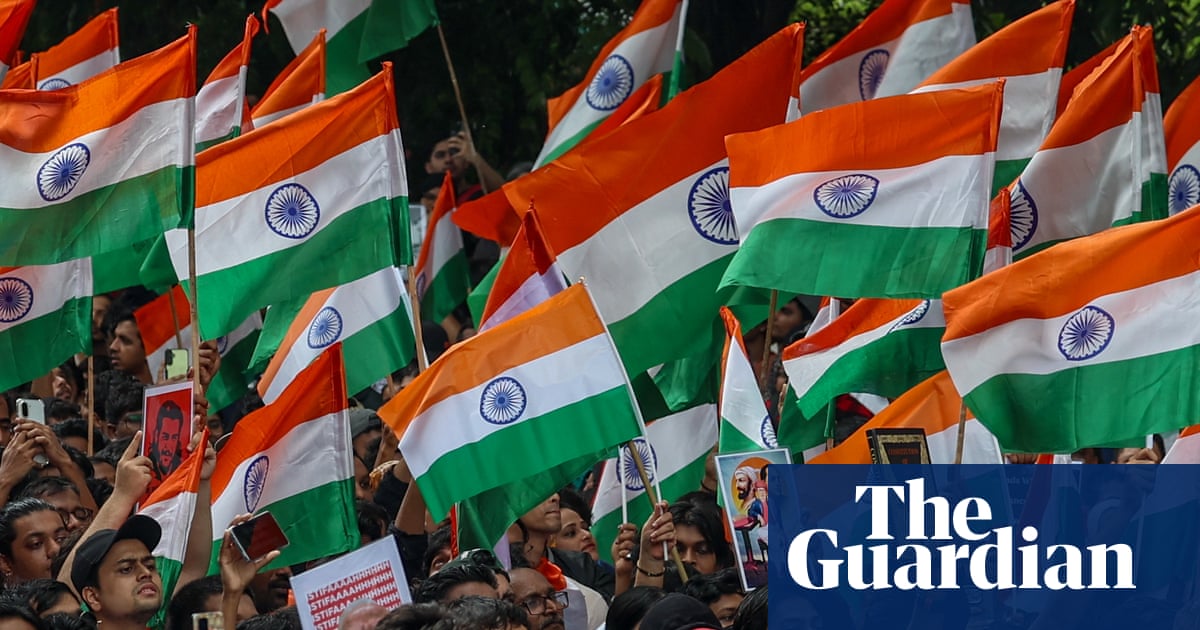
India’s ruling Bharatiya Janata party has suffered a byelection defeat in a seat it had held for three decades following the Cockroach movement student protests that have shaken Narendra Modi’s...
India’s ruling Bharatiya Janata party has suffered a byelection defeat in a seat it had held for three decades following the Cockroach movement student protests that have shaken Narendra Modi’s government.
Prashant Kishor, a high profile electoral strategist turned politician, scored a breakthrough win for his fledgling Jan Suraaj (Good Governance) party in the Bankipur constituency in Patna, the capital of the eastern state of Bihar.
The byelection, in what had been considered a BJP stronghold, was closely watched because it came in the aftermath of nationwide student protests over exam paper leaks that forced the resignation of the education minister, a rare retreat by a government that prides itself on not yielding to public pressure.
Kishor said his victory was a “wake-up call” for Modi to improve education and create jobs.
The BJP lost two of three byelection contests this week, with the opposition Congress retaining the Datia constituency in central Madhya Pradesh. The BJP comfortably held Manjalpur in Gujarat, Modi’s home state.
Kishor’s supporters said his campaign had succeeded by focusing on issues that resonate with younger voters, particularly education, exam scandals and unemployment.
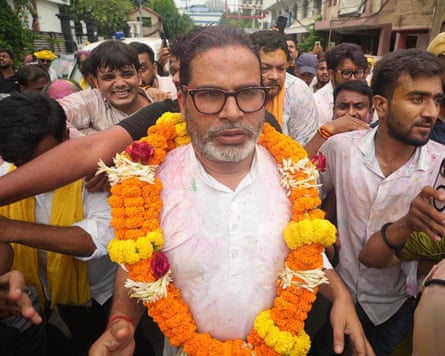
Deepak Sharma, a former BJP supporter, told the Hindu newspaper: “Unlike other political leaders who make lofty promises, he raised the simple slogan: vote for the future of your children.”
The opposition have said the student protest movement is beginning to dent BJP support among younger voters. Nearly two-thirds of India’s population is under 35. While the official youth unemployment rate is 16%, nearly 40% of graduates aged 15-25 and 20% of those aged 25-29 are jobless, far higher than among the less educated, according to the latest State of Working India report by Azim Premji University.
The Cockroach Janata party began as an online joke after a senior judge described unemployed young Indians as cockroaches and parasites. It has since morphed into a nationwide movement with 26.6 million Instagram followers, more than the BJP and Congress combined.
The BJP’s president, Nitin Nabin, who previously represented Bankipur, described the largely gen Z protesters as “a virus and a cockroach gang devoted to breaking the country” during the byelection campaign.
After he lost the election, he said the party would “undertake a thorough introspection”. Senior BJP sources quoted in the Indian media said the loss has shown that even core supporters could change their minds.
A significant victory for the BJP in West Bengal last year expanded the party’s reach into one of the last major regions outside its control, but that triumph has been followed by a string of political headaches, including the student protests.
The government has also become embroiled in a separate confrontation with the social media company Meta after a video featuring Modi in which he promised to crack down on exam fraud briefly disappeared from Facebook.
The parliamentary committee on communications and information technology has demanded Mark Zuckerberg, Meta’s chief executive, apologise personally and explain how the video vanished. According to local media, Meta executives have already apologised and blamed automated systems designed to detect fake content.
The row has highlighted broader government unease about the influence of foreign technology companies over political discourse. Nishikant Dubey, the chair of the committee, said large parties such as the BJP and Congress often receive less visibility online than movements with no formal political status.
“The country needs to understand what Meta, X and YouTube are doing through their algorithms,” Dubey said.
Ajoy Bose, a Delhi-based political analyst, said the Bankipur defeat carried symbolic weight far beyond a single constituency. “Coming as it does after the student protests, the optics look very bad for the BJP. I would not directly connect the result to the protests, but Bihar was one of the main centres of the student agitation, so the two will inevitably be linked in public perception.”
But he cautioned against reading the outcome as evidence of a nationwide shift in voter sentiment. “What’s changing is the perceived invincibility of the BJP’s election machine,” Bose said. “There was a widespread belief the party had every election sewn up.”