11-year-old boy dies from rabies in Canada after waking up to a bat on his face
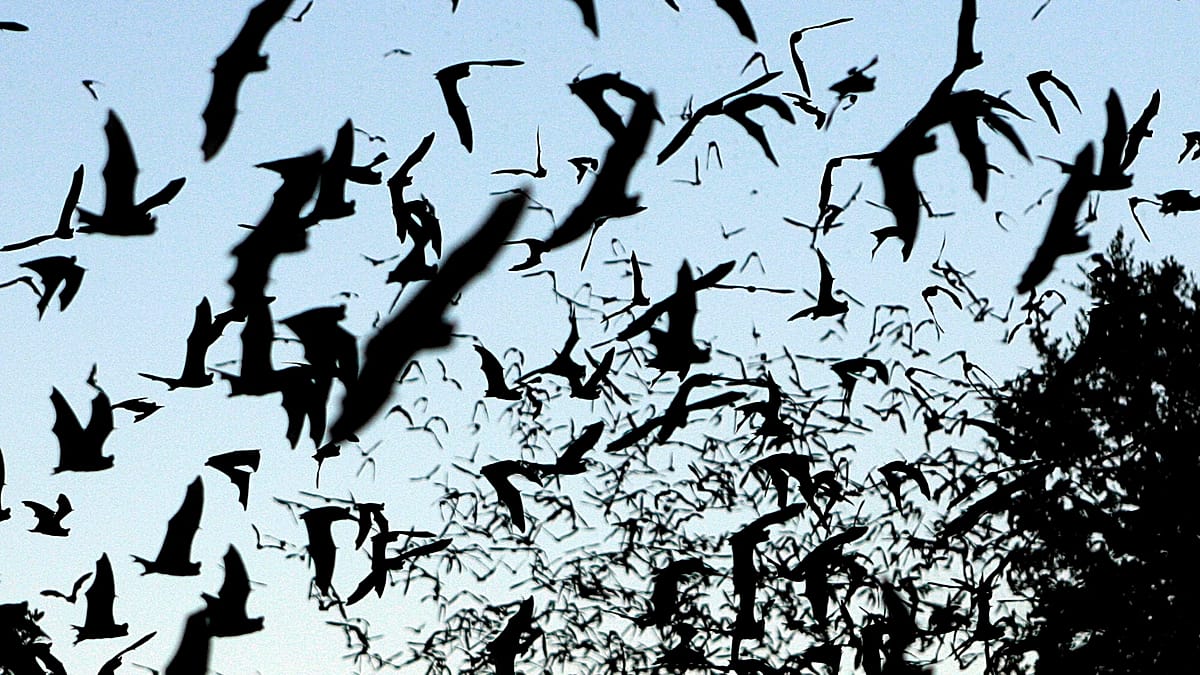
Rabies is a rare but deadly infection usually spread by a bite or scratch from an infected animal. It is almost always fatal after the onset of symptoms, although vaccination and early treatment can help to prevent it.
Published on 02/07/2026 - 13:46 GMT+2
An 11-year-old boy died from rabies in Canada after he woke up to find a bat "on his nose and mouth," according to a report in the Canadian Medical Association Journal.
The boy died in hospital in Ontario after developing severe symptoms including bulbar palsy, a neurological condition affecting the nerves controlling muscles used for speaking, swallowing, and breathing.
His family said that around 19 days before the onset of initial symptoms, he had been staying in a cottage in northern Ontario, where he had been awoken by a bat on his face.
The child swatted the bat away and the father caught it and released it. The boy is said to have had no visible lesions from the incident and "his parents did not consider that the bat had behaved erratically". They therefore decided not to seek medical advice.
The boy later began experiencing facial numbness and swelling and was taken to a local urgent care clinic, where he was prescribed antiviral medication for suspected Bell's palsy - temporary weakness or lack of movement usually affecting one side of the face.
He then had consecutive visits to hospital after he began vomiting and developed pain while swallowing, receiving an initial diagnosis of severe herpes gingivostomatitis, an oral infection that can cause painful sores.
But the child's condition began to deteriorate. He developed a fever of 39.1°C, as well as difficulty swallowing, confusion, hallucinations, hypersalivation and neurological conditions. He was intubated and taken to a paediatric intensive care unit while medical staff consulted with the infectious diseases service.
"When we saw the patient in the PICU, we strongly suspected rabies, given the bat exposure and typical neurologic features," doctors said. Tests confirmed rabies on the boy's fourth day in hospital.
"The patient’s hospital course was complicated by autonomic dysfunction, ventilator-associated pneumonia, and progressive neurologic decline," per the journal entry. "By day 5 of admission, his brain stem reflexes were absent. Life-sustaining therapies were withdrawn on day 17 of admission, and he died peacefully with his family at his bedside".
Rabies is a rare but deadly infection usually spread by a bite or scratch from an infected animal.
It is almost always fatal after the onset of symptoms, although vaccination and early treatment can help to prevent it.
According to the US's Centers for Disease Control and Prevention, there are a number of "unusual" behaviours that can indicate rabies in bats. It says people should watch out for bats that are active during the day, that are found in unusual places such as inside a home or on the ground, that are unable to fly or are easy to approach, or that have "made contact with you".