Tigray rebels seize airport and clash with federal forces as fighting in Ethiopia reignites
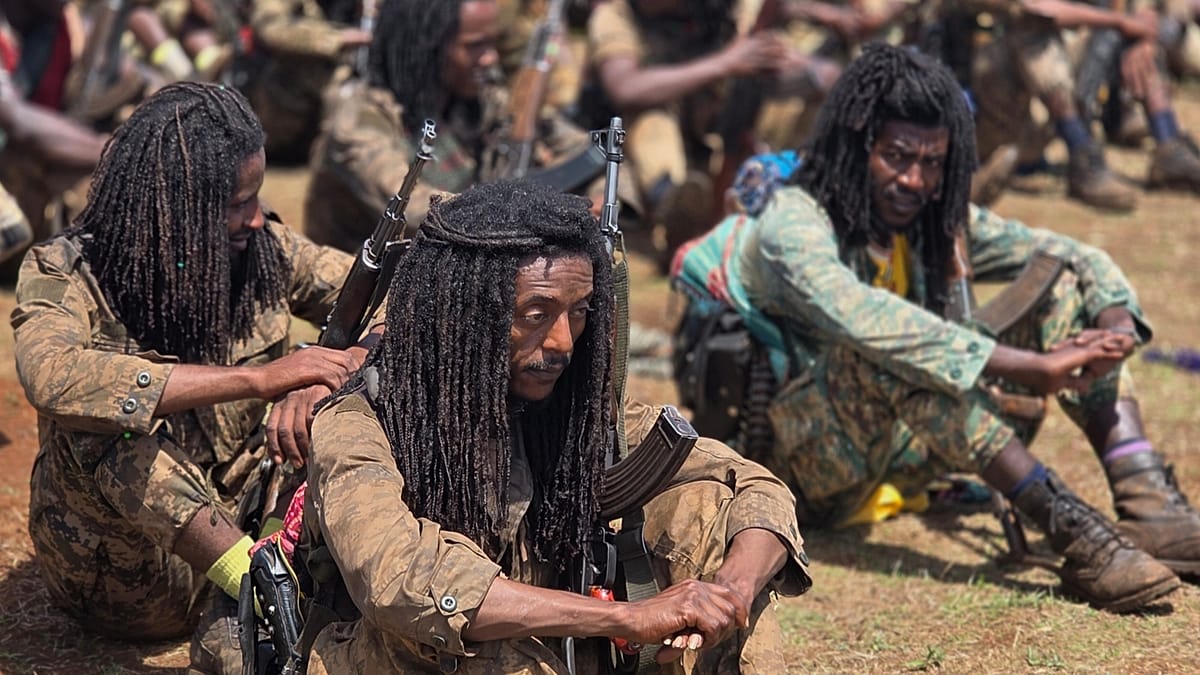
TPLF forces took control of Mekelle airport and fought federal troops at two locations in the Afar region, while Ethiopian Airlines suspended flights to three Tigray airports in an apparent collapse of the Pretoria Agreement that ended the 2020-2022 war in the country.
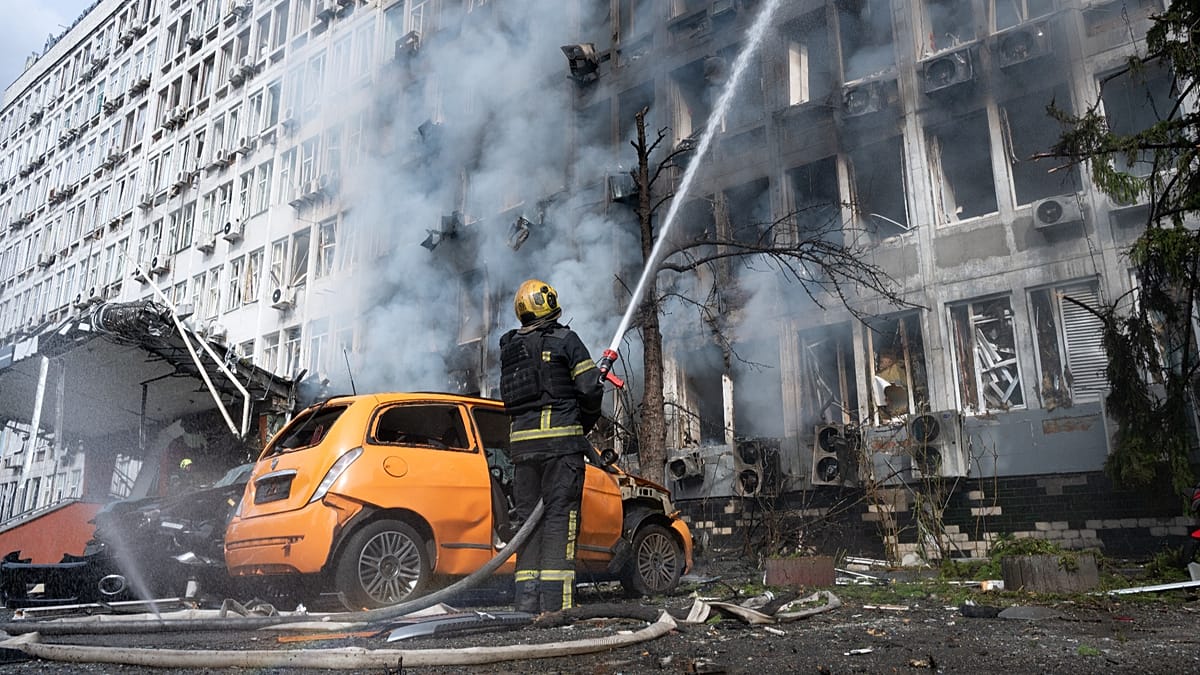
Tigrayan rebels in northern Ethiopia seized control of a key airport and clashed with federal troops in the neighbouring region of Afar on Wednesday, as long-standing tensions spilt into open battle.
Fighting escalated "since last night in Abala and Erebti (in Afar) between TPLF and federal forces," an NGO source in the region said, requesting anonymity.
"We are expecting it to expand. We just sent a truck with food to help the people displaced," they added.
Abala lies in the mountain ranges that mark the border with Tigray. Erebti lies around 100 kilometres further into Afar.
Another humanitarian source confirmed clashes in the two locations, as did a foreign security source in Ethiopia.
A former TPLF senior official said the rebels were in control of Berhale, Erebti, Abala, Megale, Dalul and Konoba in Afar.
The federal forces are "fast-retreating", he added.
Meanwhile, local and security sources said Tigrayan forces were in control of the airport in the regional capital Mekelle.
Ethiopian Airlines said it had suspended flights to three airports in Tigray — Mekelle, Axum and Shire — "due to the current situation".
"While we were on our way to the airport for work, our supervisor called the driver and told him that the airport had been taken over by Tigray forces. Since there were no flights, he told us to return home," an employee at Alula Aba Nega Airport in Mekelle said.
A foreign security source based in Ethiopia confirmed the information.
A small number of federal police guard the airport and their situation was unknown.
Between 2020 and 2022, the Tigray People's Liberation Front (TPLF) fought a devastating war with the federal government that resulted in the deaths of some 600,000 people, according to African Union estimates.
Sporadic clashes in recent months have raised fears of a return to war.
Abiy under fire
Ethiopia faces multiple insurgencies, including in its most populous regions, Oromia and Amhara.
On Sunday, the TPLF announced it had joined a seven-group military alliance dubbed Ethiopian Peoples' Forces Alliance for Survival aiming to overthrow Prime Minister Abiy Ahmed's government and install a transitional administration.
The alliance also includes Amhara nationalist Fano militias — who fought alongside federal forces against the TPLF during the last war — and the Oromo Liberation Army, an active insurgency in Ethiopia's most populous region, along with four groups from three other regions, making up half of the country's 12 regional states.
The TPLF ruled Ethiopia from 1991 to 2018 before being sidelined by the rise of Abiy, which eventually triggered the war in 2020.
The Pretoria Peace Agreement ended the war and maintained an uneasy calm until late 2025, when clashes resumed.
The federal government has since launched drone strikes in Tigray and massed troops at the regional border.
Rights groups have accused the TPLF of a campaign of forced recruitment this year as it prepares for renewed fighting.
The region has not recovered from the last war, with around 1 million people still displaced and many parts of the peace deal unfulfilled.
Abiy won the Nobel Peace Prize in 2019 partly for brokering a peace agreement with neighbouring Eritrea.
Good friends and neighbours
The federal government has a significant military advantage, having ramped up production of military drones since the last war.
Yet the TPLF's Tigray Defence Forces retain a significant inherited arsenal from their years at the helm of Ethiopia's military before 2018, including tanks, artillery, long-range guided rockets and ballistic missiles documented by open-source military analysts during the 2020-2022 war.
Ethiopia's Foreign Minister Gedion Timotheos said in June that TPLF hardliners had been "actively accumulating and acquiring new arms" in violation of the Pretoria Agreement.
Neighbouring countries have also been implicated in backing the rebels.
ACLED conflict monitoring group assessed earlier this year that Eritrean forces had moved troops toward western Tigray in coordination with the TDF and that Eritrea was providing weapons and hosting Tigrayan fighters.
Ethiopia's government formally accused Sudan's armed forces in May of providing "arms and financial support" to TPLF-linked forces and described Sudan as "a hub of anti-Ethiopian forces". Sudan denied the allegation.
Locked in a long-running dispute with Ethiopia over the Grand Ethiopian Renaissance Dam on the Nile, Egypt is assessed by analysts at the Soufan Center as providing diplomatic cover and logistical support to Ethiopian opposition factions, although no direct weapons transfers to the TPLF have been documented.