Loneliness and social isolation cost you up to six years of healthy life
Published on 23/09/2026 - 14:23 GMT+2 Social isolation refers to limited contact and participation with others, while loneliness is a subjective experience of feeling...
Published on 23/09/2026 - 14:23 GMT+2
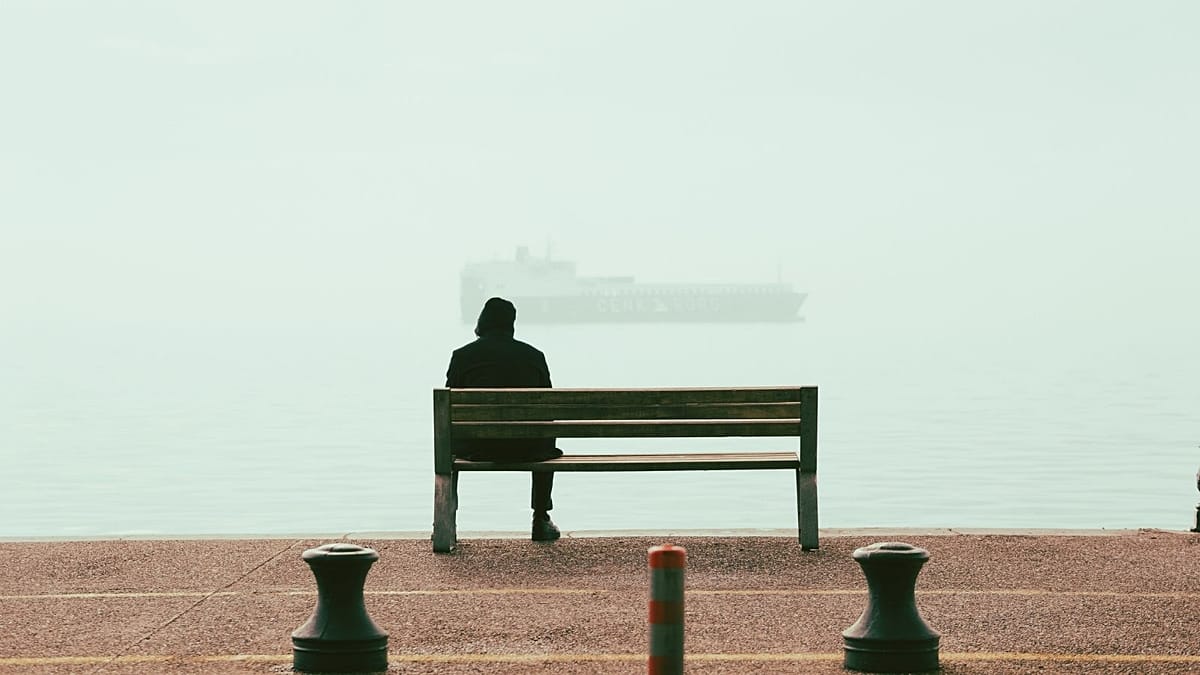
Social isolation refers to limited contact and participation with others, while loneliness is a subjective experience of feeling disconnected from the world around them. While the two are not the same, a new study published in the journal Nature Communications has found that both are associated with fewer healthy years of life.
On average, loneliness and social isolation cost people around six disease-free years, taking a toll on both physical and mental health, researchers found after analysing data from over 270,000 adults between the ages of 40 and 69.
“Overall, the study found that social isolation and loneliness can have a significant impact on disease-free life expectancy,” said lead author Lu Qi, professor at Tulane University.
The study found the associations were stronger for the loss of years free of mental disorders — depression and anxiety — than for years free of physical diseases such as type 2 diabetes, cardiovascular disease, chronic respiratory disease, neurodegenerative disease, and cancer.
The good news is that maintaining a healthy lifestyle can mitigate the negative impact of social isolation. The bad news — it does not appear to compensate for the damage caused by loneliness.
At age 50, individuals experiencing both loneliness and social isolation lived fewer years free of major chronic diseases compared with those experiencing neither.
How are men and women impacted differently?
Men and women do not suffer from loneliness and social isolation in the same way, and that is also reflected in the impact those have on their health. Because women may prioritise emotional connection, their mental health struggles are more strongly linked to loneliness, while men’s mental health shows a stronger association with social isolation.
Among women, loneliness and social isolation meant 2.4 years spent in worse physical health and 3.7 years in worse mental health, while for men it meant 1.7 years of physical disease-free life lost and 5.8 years of mental disorder-free life lost.
Males were more likely to experience both loneliness and social isolation, had a lack of social, material, and economic resources, and had a lower healthy lifestyle score.
The authors noted that this gender gap may be explained by differences in how men and women obtain support and achieve psychological well-being, with men tending to rely more on physical presence and frequent social interactions and women more on emotional support.