Parliament pushes tougher energy permit deadlines, setting up clash with EU countries
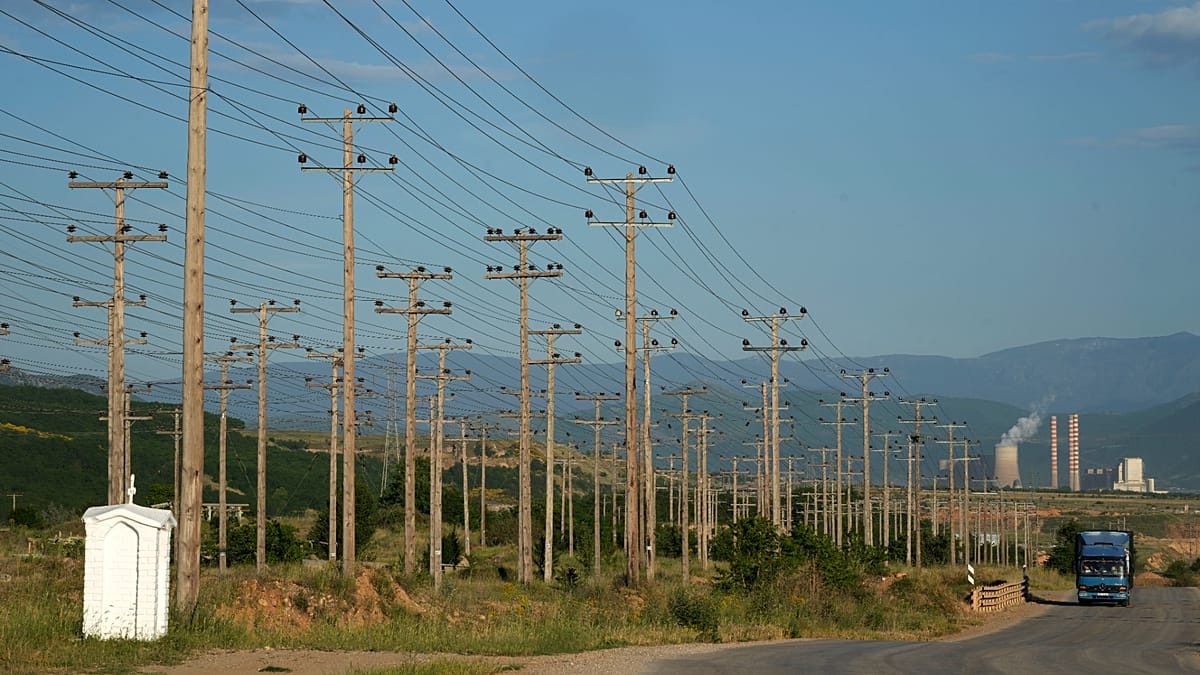
The European Parliament is trying to turn permitting reform into a stronger, common EU rulebook, while capitals seek flexibility to accommodate national legal systems, environmental constraints and administrative structures, according to a document seen by Euronews.
Published on 14/09/2026 - 14:47 GMT+2
The European Parliament is pushing for tougher EU-wide deadlines and automatic approvals to speed up energy infrastructure, setting the stage for a clash with EU countries seeking more flexibility over how their national permitting systems work, according to an internal document seen by Euronews.
The divide is emerging as EU lawmakers negotiate new permitting rules designed to cut years of delays — sometimes up to ten years — that have held back renewable energy, electricity grids, storage and other infrastructure needed for the bloc's energy transition.
The Parliament's position is more rigid than the Commission proposal and the Council's mandate, particularly on electricity grids. While the Commission proposed a maximum two-year authorisation period for transmission and distribution infrastructure, Parliament wants distribution projects approved within one year and transmission projects within two years. The Council would retain a two-year ceiling for both, with extensions allowed in extraordinary circumstances.
However, the sharper dispute is over what happens when authorities miss those deadlines.
The Parliament backs a stronger use of tacit approval, under which certain administrative steps are deemed approved if authorities fail to respond on time. But the Council has narrowed this approach, saying EU countries may provide for tacit approval for specific intermediary administrative steps, while excluding environmental decisions and grid-connection permits.
EU lawmaker Niels Fuglsang (S&D/Denmark), leading the file in Parliament, said the bloc's power grids need to be built faster if the EU is serious about the climate and energy transition and lowering electricity and fuel bills.
"The European Parliament’s position delivers faster permitting without compromising legal certainty or public confidence. I will defend that approach in the negotiations, and I don’t think weakening the rules on tacit approval is the right solution,” Fuglsang told Euronews.
Overriding public interest
The co-legislators also differ on how far energy projects should be prioritised when they conflict with other interests. Both sides want faster permitting and support tighter deadlines, digitalisation and simpler procedures. However, they differ over how much discretion should remain with national authorities.
The Parliament mandate seeks to broaden the presumption that renewable energy projects and related infrastructure are of overriding public interest, limiting member states' ability to create exceptions.
On the other hand, the Council retains the broader presumption but allows more explicit exceptions — including where cultural heritage needs protection or where a project would have significant environmental effects that cannot be mitigated or compensated for.
The Parliament also wants a more standardised administrative system, including stronger requirements for a single point of contact for project developers, while the Council is more willing to let EU governments decide how to combine existing national authorities and contact points.
Nonetheless, the Council goes further than the Commission in some areas.
According to the document, the Council mandate raises the threshold for some small-scale installations benefiting from simplified permitting, including small solar systems, to 200 kW from the Commission's 100-kW level.
Ultimately, the emerging compromise will go beyond a political battle between faster and slower permitting and be about who controls the clock.
Parliament wants EU rules to make missed deadlines costly and approvals more predictable, while EU governments want to accelerate projects without giving Brussels —or the automatic approval mechanism — too much power over national permitting decisions, avoiding undesired precedents.
The next political talks on the permitting rules under the Grids Package are scheduled for early October.