EU halves cheap parcel influx in bid to rein in Chinese e-commerce giants
The EU has cut the number of low-value parcels entering the region by half, following the introduction of a €3 flat fee. The measure is part of a broader effort to curb the growing dominance of Chinese e-commerce platforms.
Published on 14/09/2026 - 13:40 GMT+2
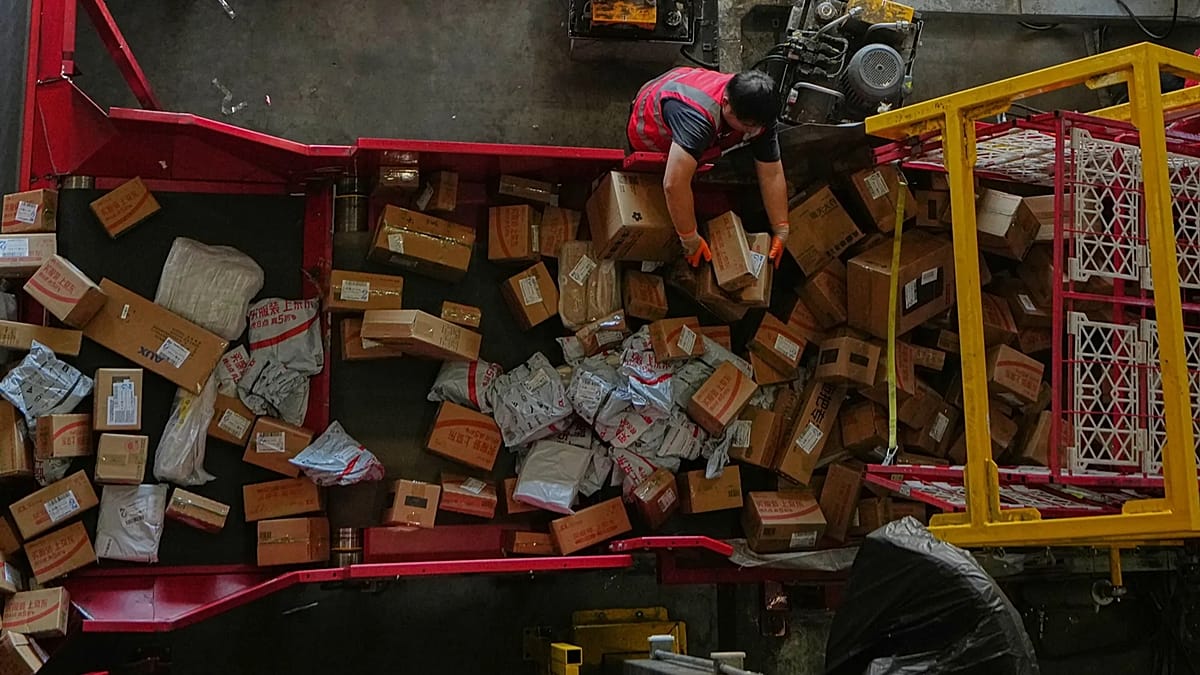
The number of small parcels valued below €150 arriving in Europe has fallen by nearly 50% since 1 July following the EU’s introduction of a €3 flat tax on such shipments, according to data from Dutch and Belgian customs.
In Belgium, the number of small parcels have decreased by 53% compared to the previous year, according to data from the Belgian authorities. Dutch customs present similar data, finding that e-commerce parcels, particularly from China, decreased by 46%. Together, the two countries make up almost 50% of the total low value parcels arriving from outside the EU.
However, the Dutch customs said that the decrease might represent a change in the working methods due to the levy.
"More and more companies appear to be opting for bulk import and storage within the EU to resell their goods to consumers from there," they said in a press statement in early September, specifying that they will investigate the matter further.
The temporary levy was introduced after policymakers noted the overwhelming dominance of Chinese e-commerce in Europe, which has led to an influx of billions of low-value parcels into the single market.
According to European Commission data, some €4.6 billion low-value items under €150 were imported to the EU in 2024, representing an average of 12 million parcels per day. That was a major increase from the €2.3 billion that entered in 2023 and €1.4 billion in 2022.
The sheer volume of packages and the fragmentation of the current European customs structure make it harder for the EU to have an adequate monitoring system.
Checks would prevent the entrance of illegal products, which already represents a major problem in Europe. A 2025 peer-reviewed laboratory study published in Contact Dermatitis analysed 111 clothing items across Italy and the EU, and found that 63% contained carcinogenic, endocrine-disrupting, or sensitising chemicals.
Similar findings have been released by Greenpeace and the European Consumer Organisation.
"The temporary €3 import duty that has been in force since July 1 has already significantly reduced the flow of parcels, but we are not there yet," Dutch MEP Dirk Gotink, responsible for the custom reform on behalf of the European Parliament, told Euronews.
"With the new law, the EU and national customs authorities will finally receive the tools to effectively protect businesses and consumers. European customs work will also be modernised, with a single central data hub, a European Customs Authority in Lille, more risk-based checks, and closer cooperation between authorities," the MEP said.
Gotink was referring to the overall custom reform the EU is about to implement, which aims at facilitating the tracking of items arriving from outside the EU.
As part of the reform, the EU will set up a data hub in the French city of Lille, where custom data are expected to be gathered and analysed. The new tax authority is expected to be operational by 2028.