A blood test could flag Alzheimer’s risk early. But how reliable is it?
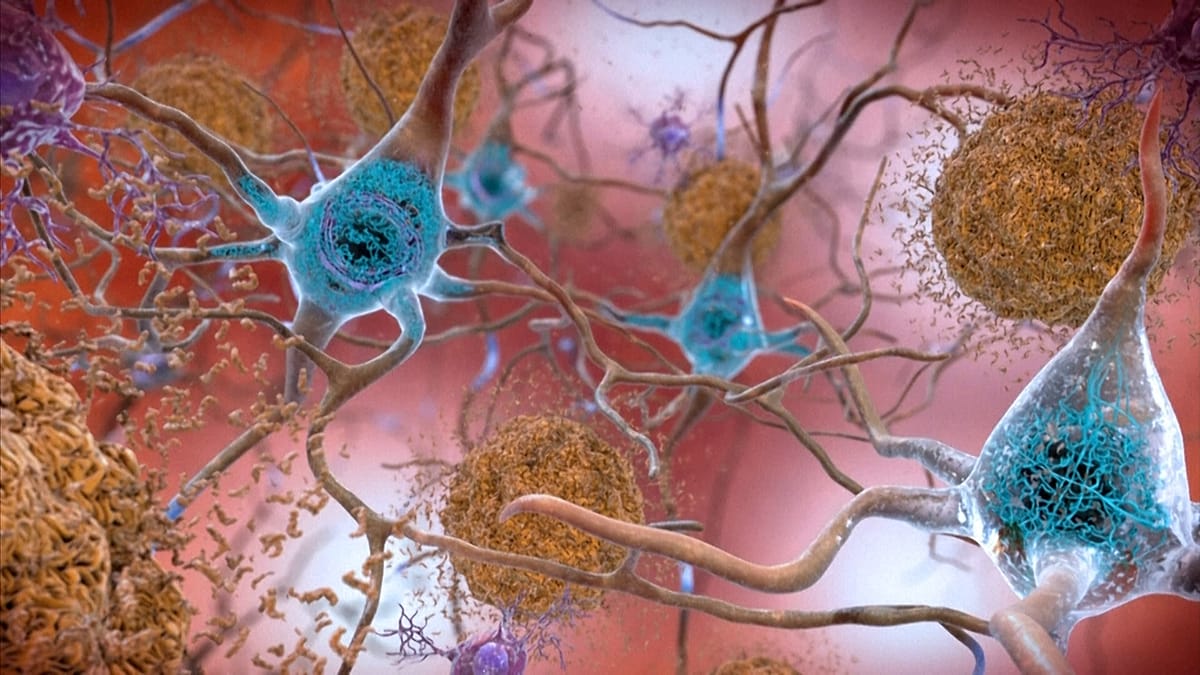
A simple blood test may soon help identify people at higher risk of Alzheimer’s disease years before they develop symptoms, according to a new study. Researchers at the University of California, San Francisco...
A simple blood test may soon help identify people at higher risk of Alzheimer’s disease years before they develop symptoms, according to a new study.
Researchers at the University of California, San Francisco (UCSF) in the United States, found that certain Alzheimer’s-related proteins in the blood were linked to small differences in thinking and memory among middle-aged adults who did not have dementia.
Alzheimer disease is the most common form of dementia, which results from a variety of diseases and injuries that affect the brain.
While there are drugs to ease symptoms, there is currently no cure for dementia.
The research team says this is the first time such blood markers have been shown to correspond with subtle cognitive differences in this group.
“For some people who discover they have the biomarkers, testing could open a window to embark on interventions that may postpone Alzheimer’s onset,” said Kristine Yaffe, senior author of the study and the vice chair in the Department of Psychiatry and Behavioural Sciences at UCSF.
The team tested blood samples from 1,350 adults aged 53 to 69 for two proteins, amyloid and tau, already known to be hallmarks of Alzheimer’s disease.
6% of participants had high levels of both proteins. Although they did not have dementia, these participants were slower at responding to changing information, such as traffic signals or conversations, and had more difficulty with tasks involving planning, organising and staying on track, such as arranging a schedule or managing finances.
When researchers tested the participants again five years later, those with high levels of the Alzheimer’s-related proteins were more likely to show a faster decline in verbal memory and processing speed.
Researchers say blood tests could help patients get diagnosed faster and cheaper.
Currently, MRI scans are used to diagnose dementia, but these are expensive and not always widely available.
Patient groups say it is hard to get a concrete diagnosis, and often it comes too late and when the symptoms are advanced, meaning that serious damage in the brain has already begun.
The findings add to hopes that blood tests could eventually help doctors identify Alzheimer’s risk earlier and more easily than current methods.
However, while doctors welcomed it as a potential research tool, they say it is not yet suitable for screening.
"The drawbacks of this kind of test is that it may be misunderstood as a ‘I have these proteins in my brain. Therefore I have Alzheimer's disease’, which is not what we're saying here at all,” said Tara Spires-Jones, professor of neurodegeneration at the University of Edinburgh and division lead at UK Dementia Research Institute.
“So this… gives us a signal of what's happening, but it's just a small part of the overall picture. This isn't a diagnosis in and of itself," she explained.
They are currently approved in the US for people who already have symptoms, but they are only designed to detect Alzheimer’s disease, not other forms of dementia.
Researchers say early detection could still be valuable, especially because some risk factors for dementia can be changed. These include physical inactivity, smoking, depression, poor heart health and low levels of cognitive activity.
Up to 40% of dementia cases could be delayed or prevented by addressing modifiable risk factors, according to Yaffe.
In 2021, 57 million people had dementia worldwide, according to the World Health Organization. Every year, there are nearly 10 million new cases.
For more on this story, watch the video in the media player above.