Wildfires kill long after the flames have gone | Letters
The wildfires sweeping across Europe are damaging precious habitats, destroying property and taking people’s lives (Fast-spreading wildfire kills at least 12 in southern Spain, 10 July), yet they are even...
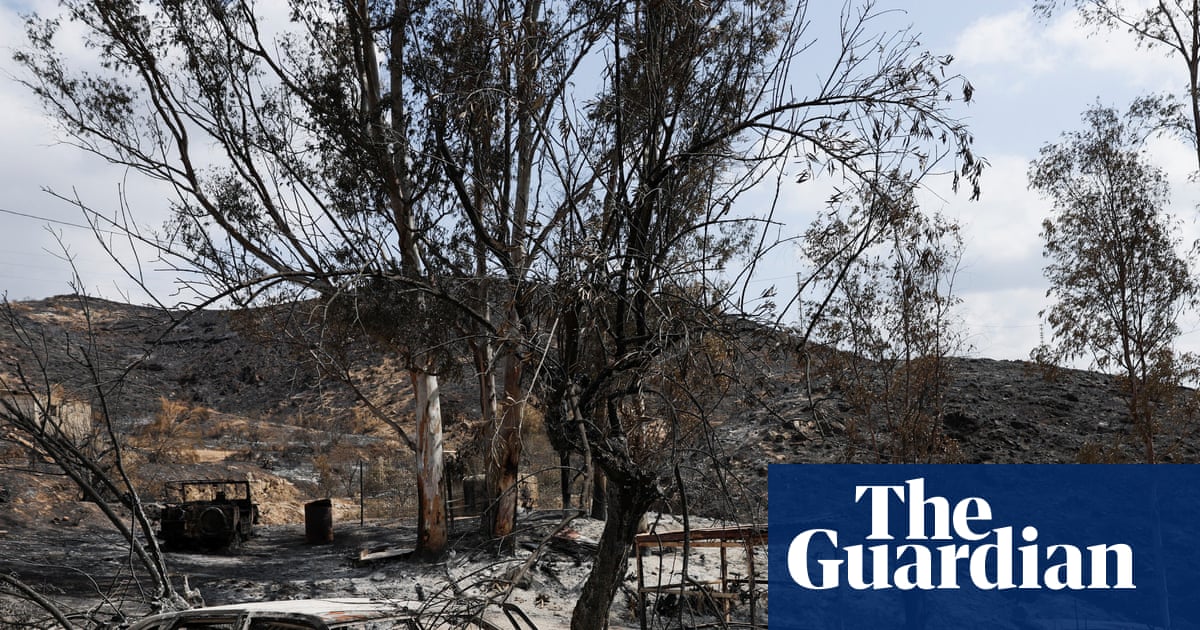
The wildfires sweeping across Europe are damaging precious habitats, destroying property and taking people’s lives (Fast-spreading wildfire kills at least 12 in southern Spain, 10 July), yet they are even more devastating to human health once the flames have died down because of the huge amount of air pollution they generate.
As well as releasing carbon dioxide, wildfires also emit huge amounts of black carbon – often known as soot – into the atmosphere. Black carbon harms people’s health and is a major cause of the 7.9 million premature deaths annually attributed to air pollution. Witness the impact of toxic particles from Canadian wildfires in 2023, which killed 82,000 people, with the pollution stretching across Canada, the US and Europe.
On top of that, black carbon is one of the super-pollutants responsible for nearly half of current global warming, creating a vicious circle where each wildfire damages our health and makes future wildfires more likely.
The good news is that we know how to break the cycle. Better fire prevention, early warning systems and tighter regulation of super-pollutants like black carbon are all essential. As is supporting local authorities to integrate forest fire management into their air-quality plans, so there can be much faster and more comprehensive emergency responses.
Jane Burston
CEO, Clean Air Fund