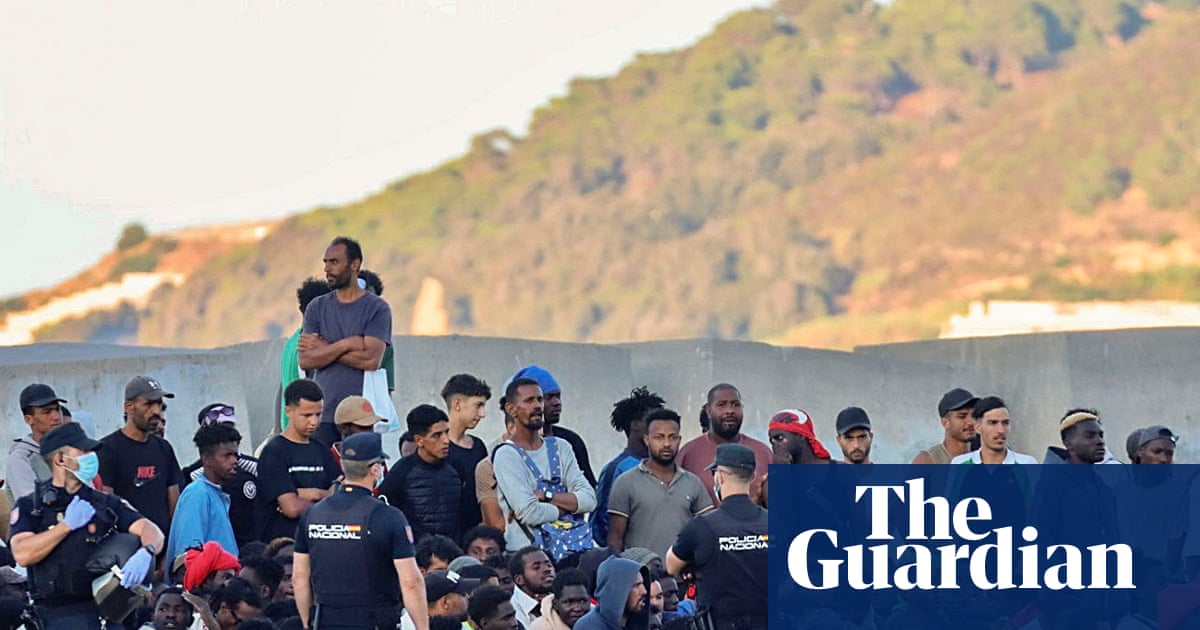
Spain's Interior Ministry denies confirming reports of suspected jihadists among Ceuta arrivals
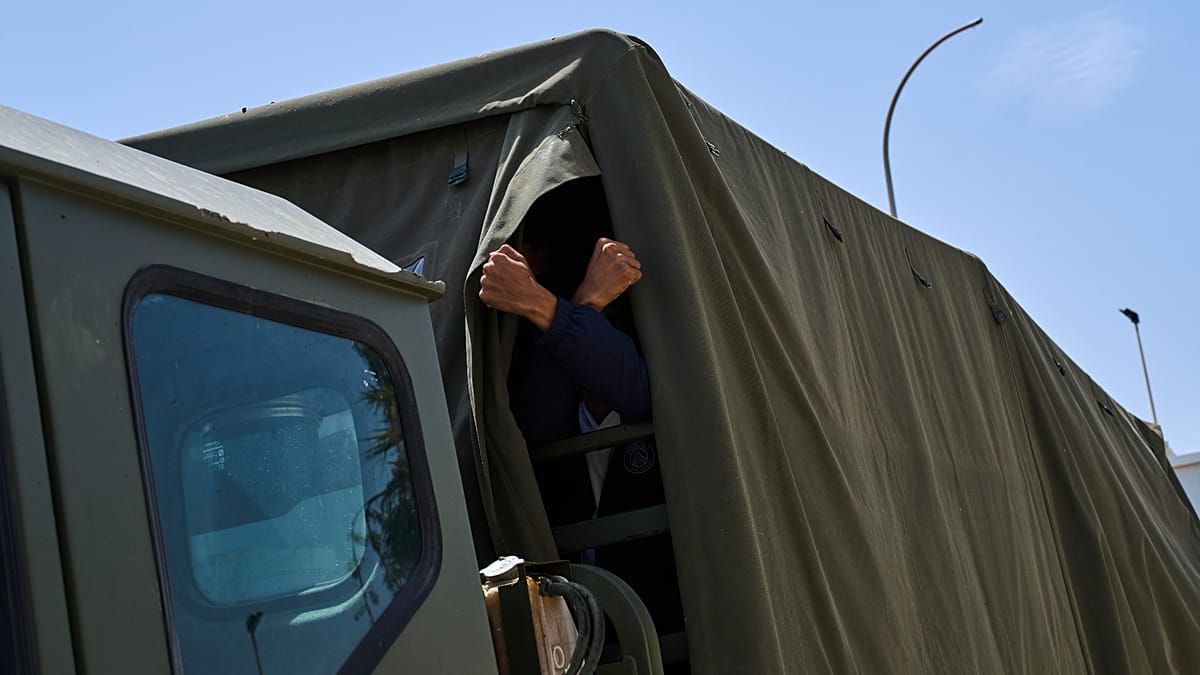
Spain's Interior Ministry has told Euronews it has not confirmed media reports claiming suspected jihadists were identified among migrants who arrived in Ceuta last week, while insisting the mass arrivals on 30 July "do not pose a threat to public security."
Published on 04/08/2026 - 22:11 GMT+2•Updated 05/08/2026 - 13:00 GMT+2
Spain's Interior Ministry has denied confirming reports published by Spanish news outlets El Español and The Objective, which claimed that security services had identified several people investigated for jihadism-related offences among the migrants who arrived in Ceuta last week.
"At no point have we confirmed those reports," a ministry spokesperson told Euronews.
The ministry added that "Spain's security forces carry out continuous work to monitor and combat jihadist terrorism throughout the country, not only in Ceuta." However, it neither confirmed nor denied the accuracy of the reports.
The ministry also sought to reassure the public following the mass arrivals in Ceuta on 30 July.
"The Spanish public and the people of Ceuta can be confident that the arrivals on 30 July do not pose a threat to public security," it said.
Highlighting its counter-terrorism efforts, the ministry said that Spanish security forces had carried out 43 operations in 2026, leading to the arrest of 82 people for offences related to jihadist terrorism.
The reports by El Español and The Objective, which cited sources familiar with the investigation, claimed that officers from the National Police's General Information Commissariat (CGI) and the Civil Guard's Intelligence Headquarters (JIGC) had reviewed surveillance footage and identified several individuals who had previously been arrested, convicted and later deported to Morocco for offences linked to jihadist terrorism.
So far, none of those claims has been officially confirmed by Spain's Interior Ministry or the country's security forces.
The ministry's response comes against the backdrop of Spain's ongoing counter-terrorism efforts.
Last week, experts interviewed by Euronews said the jihadist threat has evolved towards increasingly decentralised forms of radicalisation, driven by social media and messaging apps, making intelligence gathering and prevention more important than ever.
The experts also highlighted the close counter-terrorism cooperation between Spain and Morocco, particularly in intelligence sharing on radicalised individuals and the monitoring of potential security threats.