

Plenty of healthy people are low on iron. Here’s why it gets missed
Iron deficiency is the most common nutritional deficiency, affecting over a billion people worldwide — yet many people do not realise they aren’t getting enough iron. Iron, which is found in red meat, beans,...
Iron deficiency is the most common nutritional deficiency, affecting over a billion people worldwide — yet many people do not realise they aren’t getting enough iron.
Iron, which is found in red meat, beans, dried fruit and other foods, is an essential mineral that plays a major role in the body. It helps make haemoglobin, the protein in red blood cells that carries oxygen, and myoglobin, which supplies oxygen to the muscles. Iron is also needed for energy production, immune function, growth and brain development.
When someone doesn’t get or retain enough iron, they may experience fatigue or difficulty concentrating — or no symptoms at all. As the body’s iron stores run out, iron deficiency can progress to iron deficiency anaemia, which makes it harder for blood to transport oxygen in the body and can lead to serious complications.
“People rarely die of iron deficiency, but it has a very big effect globally,” Hal Drakesmith, a professor of iron biology at the University of Oxford, told Euronews. “If you don't have enough iron, you don't have enough energy.”
Some people are at higher risk of iron deficiency, including teen girls and women with heavy periods. Pregnant women and their foetuses, infants and children all need extra iron for growth and development, which diet alone can’t always provide.
Older people can become iron deficient due to intestinal bleeding or chronic health problems. A 2022 study found that iron deficiency is fairly common among relatively healthy older adults in Europe. Those aged 80 or older and living in Austria and Portugal were at the highest risk.
Diets low in red meat or other iron-rich foods may also contribute to iron deficiency. Frequent blood donors can become iron deficient, though they are usually tested before they give blood, Drakesmith said.
“It is enormously common,” Drakesmith said.
Even so, many people with iron deficiency aren’t diagnosed right away. Common symptoms are vague and not specific to iron deficiency, and it takes time to develop because people don’t lose all of their iron at once, Drakesmith said.
Iron and ferritin, a protein that stores iron, have become hot topics in wellness circles. A viral claim that people with low iron have “ferritin face” — visible signs such as pale skin and thinning hair — is “not clinically useful,” Drakesmith said. But if the trend raises awareness about iron deficiency and prompts people with symptoms to seek testing, he’s all for it.
Routine screening for iron deficiency is rare, even among higher-risk groups, said Elaine McCarthy, a senior lecturer in nutrition at University College Cork in Ireland. For example, while blood checks are standard in pregnancy, they typically measure haemoglobin.
“This is a problem as haemoglobin is a very late-stage indicator of changes in iron status, meaning we miss those individuals in the earliest stage of the deficiency and miss the opportunity to prevent it worsening,” McCarthy told Euronews.
She advocates for testing both haemoglobin and ferritin, which serves as “a marker of the earliest changes in iron status.”
In September, the American Society of Hematology (ASH) issued new clinical guidance for diagnosing iron deficiency. It suggests that adults, pregnant women and those with periods be diagnosed if their serum ferritin is 30 micrograms per litre or lower, instead of 15 µg/L. That’s in line with recommendations from the European Crohn’s and Colitis Organisation.
However, identifying the right ferritin threshold has not been settled globally, Drakesmith said.
“Where you set that ferritin threshold basically will determine the prevalence” of iron deficiency, Drakesmith said. “I think they're erring on the side of making sure they don't miss the diagnosis, which is perfectly sensible. But at the same time, you might end up including people who probably aren't that iron deficient.”
Relying only on ferritin levels also won’t catch everyone with an iron deficiency. People with inflammatory conditions, such as chronic kidney disease, can have normal or even high ferritin levels but still be low in iron. Inflammation in the body can cause ferritin levels to rise even when iron stores are low.
People with inflammatory conditions may have a serum ferritin of up to 100 µg/L and still be iron deficient, according to the European recommendations.
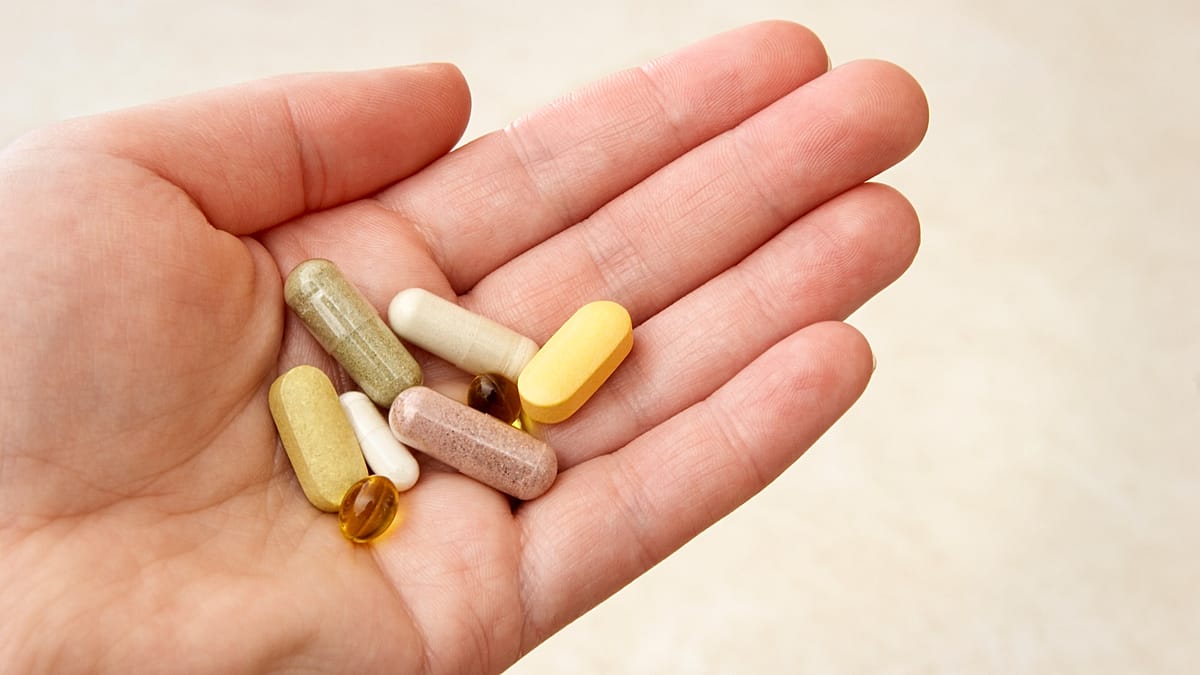
Iron deficiency can often be fixed with supplements, as long as its underlying cause is identified and addressed. But iron supplements can cause side effects such as constipation and stomach pain, which can make people reluctant to stick with them, Drakesmith said.
Too much iron can also be a problem, McCarthy said. Very high doses can be fatal, especially for children.
“You shouldn’t take an iron supplement unless you have been diagnosed with iron deficiency or iron deficiency anaemia,” McCarthy said. “High-dose iron supplements can be dangerous if your body doesn’t actually need the iron.”