Infertility to affect 80 million women by 2036 with sharpest rise in over-35s, study finds
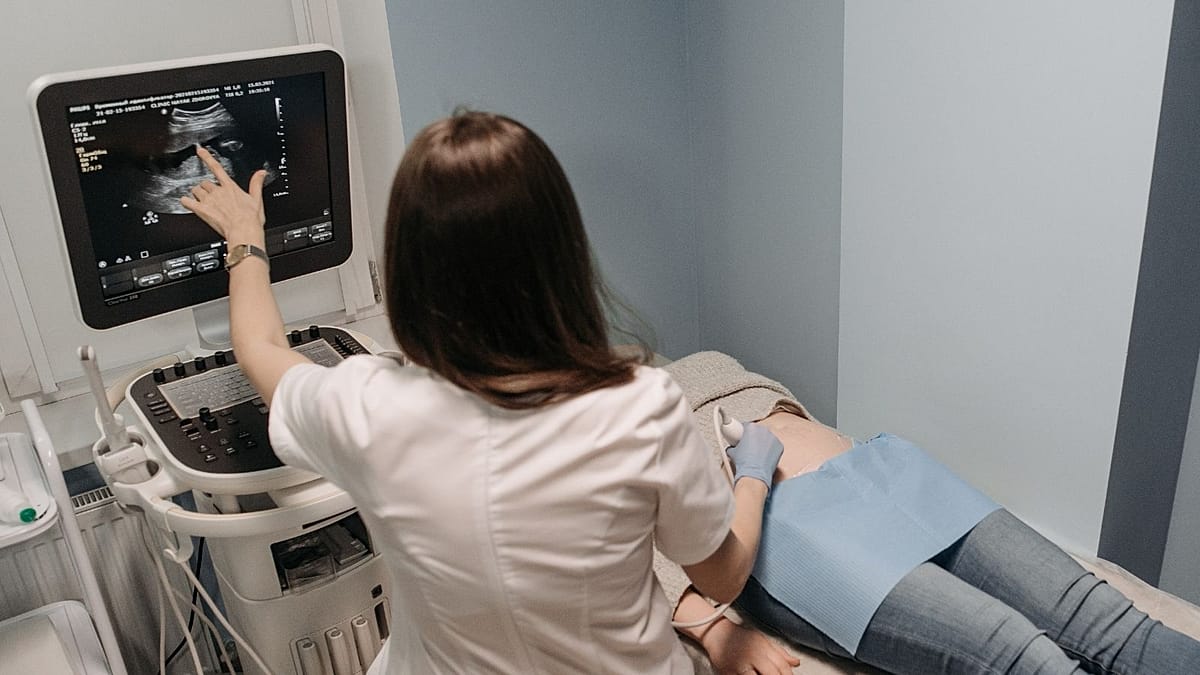
A new study projects infertility among women will reach nearly 80 million cases in the next decade globally —an almost 1,5-fold increase compared to 2023— driven largely by delayed motherhood.
Published on 07/07/2026 - 7:05 GMT+2
Infertility has been rising over the last few years, especially among women aged 35 to 49 years, according to new research published in The Lancet.
Cases of infertility among women in this age group will approach 80 million by 2036 — a sharp rise from around 53.60 million in 2023 — with the sharpest increase expected among women aged 35–39.
The authors note this is mainly driven by age-related declines in eggs’ reserve and their ability to fertilise, which reduce fecundity, increase miscarriage risk, and lower the success rates of assisted reproductive technologies.
“As population ageing and socioeconomic transitions accelerate, the number of women exposed to advanced-age infertility risk is rising, expanding its public health relevance,” the authors wrote.
Analysing data from the Global Burden of Disease 2023 study, which covered 204 countries and regions from 1990 to 2023, Chinese researchers found that infertility has risen the most in more developed countries.
Why are cases rising
In many middle‑income and rapidly developing countries, infertility is becoming more common because several social and demographic changes are happening at the same time.
People are marrying and trying to have children later; more women in their late 30s and 40s still want to become pregnant; and greater awareness of fertility problems means more couples are seeking help.
Yet in many of these settings, fertility tests and treatments remain expensive, limited, or hard to reach, meaning demand for care is rising much faster than access.
However, according to Rocío Núñez Calonge, biologist and fertility expert who did not participate in the study, the rise in infertility among older women cannot be addressed solely by expanding the range of assisted reproductive therapy options.
“In countries such as Spain, it is also necessary to address the social factors that contribute to delayed motherhood, particularly those relating to work-life balance, economic stability and institutional support for early motherhood,” she said.
Infertility is not a women-only problem. It is estimated that around one in six people globally will suffer from it at some point in their lives, and between 8–12% of reproductive-aged couples worldwide will experience it.